Saudi Arabia shuts key oil pipeline after drone attack launched from Iraq
Source Entity
BBC News
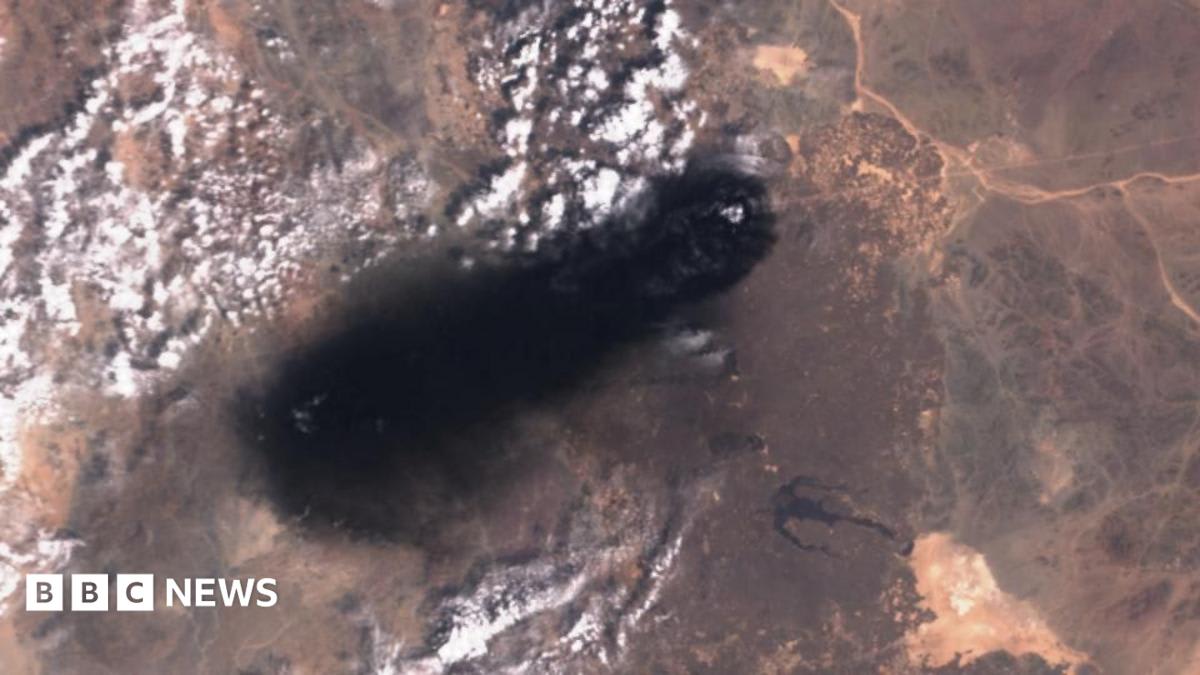
The Yemeni Army reports seizing significant territory from Houthi forces, complicating the long-standing civil war. Meanwhile, Houthi activities continue to threaten Red Sea shipping routes and regional stability through drone and missile strikes.
Escalating Conflict: The Shifting Frontlines in Yemen
The ongoing conflict in Yemen has reached a critical juncture, marked by the Yemeni Army’s recent claim of securing "vast areas" from Houthi control. This development, supported by visual evidence released by the Yemeni Armed Forces Media Centre, suggests a tactical shift in a war that has persisted for over a decade. As both sides vie for strategic supremacy, the battlefield dynamics are becoming increasingly fluid, potentially reconfiguring the power balance between the internationally recognized government and the Houthi movement.
Strategic Implications of Territorial Gains
The capture of significant territory serves as a vital test for the Yemeni Army's operational capacity. By pushing back Houthi forces, the government aims to consolidate control over key regions, which historically serve as logistical hubs and supply lines. If these gains are sustained, they could force a recalibration of Houthi military strategy, limiting their mobility and restricting their ability to launch offensive operations from previously held strongholds.
The Red Sea and Maritime Security
A particularly concerning aspect of this conflict is the reported Houthi interest in the strategic port of Mokha. Control over this Red Sea port provides a gateway to the Bab al-Mandab Strait, one of the world's most critical maritime corridors. The threat of Houthi influence in this region presents a significant risk to global shipping, as any disruption to this waterway could have cascading effects on international trade and energy security.
Proxy Dynamics and Regional Escalation
The conflict in Yemen is inextricably linked to broader regional tensions, specifically the influence of Iran. Reports indicate that the Houthis have utilized drone and missile capabilities to target Saudi infrastructure, which officials allege is part of a coordinated effort involving militias in Iraq. This cross-border dimension highlights how the Yemeni civil war has evolved into a theater for regional proxy confrontations, complicating diplomatic efforts to achieve a lasting peace.
Humanitarian and Economic Toll
Behind the military reports lies a devastating humanitarian reality. Recent escalations, including retaliatory Saudi airstrikes and Houthi drone attacks on civilian oil facilities, underscore the high cost of this war. The temporary suspension of oil operations and the tragic loss of civilian life in areas like Hazm serve as stark reminders that the military "tug-of-war" is primarily being fought at the expense of infrastructure and human safety, further destabilizing an already fragile nation.
Future Trends and Outlook
Looking ahead, the stability of the region hinges on whether these territorial shifts lead to a decisive advantage or a prolonged stalemate. Given the unravelling of informal ceasefires and the increasing reliance on advanced weaponry like drones, the trend suggests a move toward more high-tech, asymmetric warfare. International observers remain focused on whether these battlefield developments will compel the warring parties toward a negotiated settlement or deepen the entrenched cycle of violence that has defined the last decade of Yemen's history.
Multiple Citing Sources