Welcome to Gen D: Just 384 MPs, MLAs are 40 or under; 1 in 3 are dynasts
Source Entity
Anjishnu Das
Recent data reveals that youth representation in Indian legislatures is critically low, with only 384 MPs and MLAs aged 40 or under. Furthermore, the analysis highlights that political dynasties continue to dominate, particularly among the youngest lawmakers.
The Paradox of Youth Representation in India
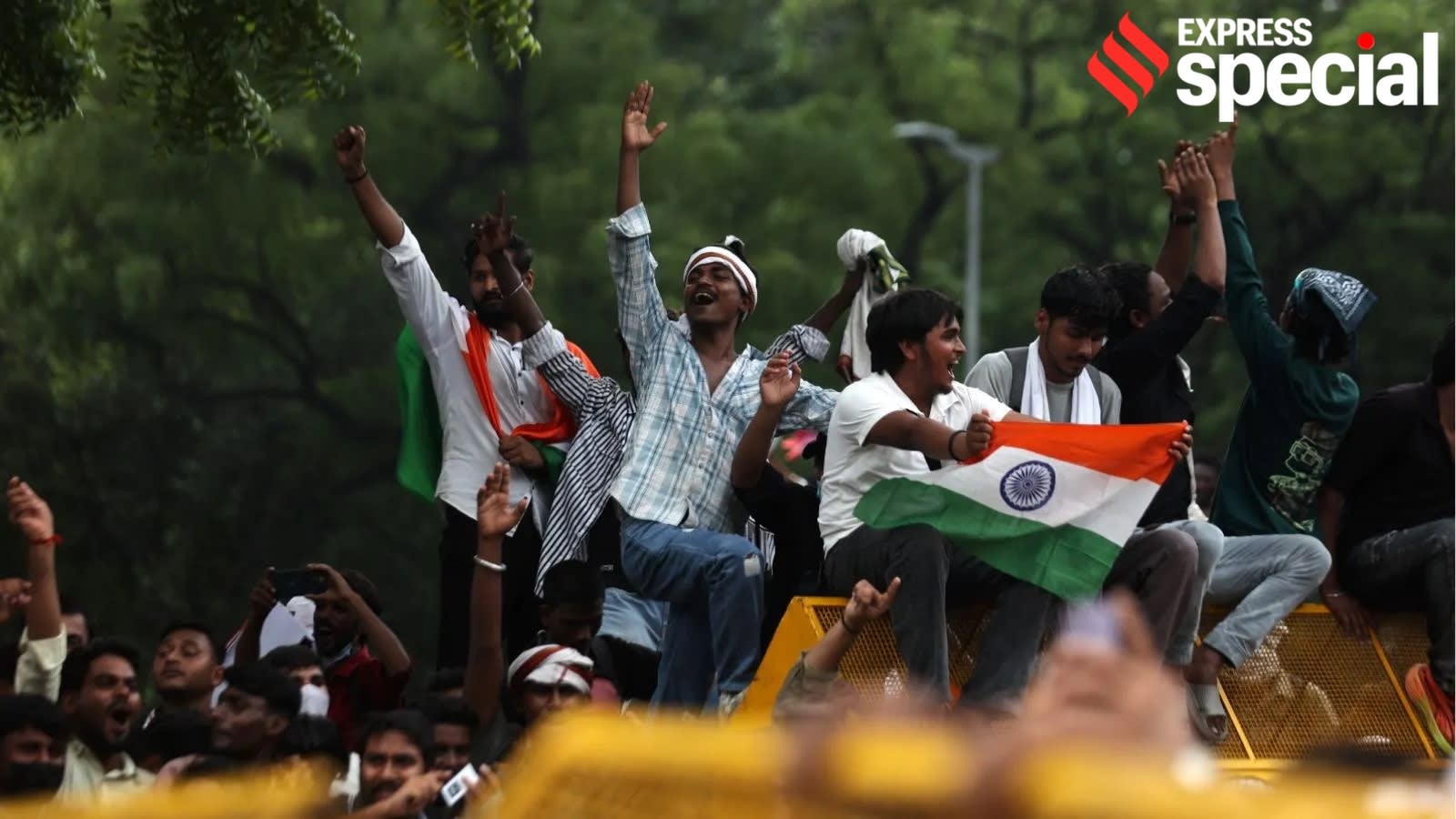
Recent waves of protests spanning from Jantar Mantar to Ranchi and Patna underscore a growing restlessness among India's youth. This demographic, which constitutes a significant portion of the electorate, is increasingly demanding a seat at the table. However, a stark divide remains between the vocal youth on the streets and those occupying the legislative benches in Parliament and state Assemblies.
The Data Behind the Disparity
An analysis by The Indian Express highlights a sobering reality: out of the thousands of legislators across the country, only 384 MPs and MLAs are aged 40 or under. This figure is disproportionately low when considering the demographic dividend that India prides itself on. Even within the Gen Z cohort—those aged 14 to 29—there are merely 26 legislators nationwide, suggesting that the path to political office remains largely inaccessible to the common youth.
The Prevalence of Dynastic Politics
Perhaps the most telling finding is the role of lineage in securing political office. Among the 26 Gen Z legislators identified, half are political dynasts. This trend is even more pronounced at the national level, where five out of the six Gen Z Lok Sabha MPs come from political families. This suggests that while political parties are paying lip service to youth engagement, the structural barriers to entry favor those with established political capital over grassroots aspirants.
Structural Barriers and Future Trends
The reliance on dynastic succession creates a bottleneck that stifles organic political growth. When political parties prioritize legacy candidates, it discourages merit-based participation, effectively silencing the voices of those currently demonstrating in the streets. If parties continue to prioritize established family networks, the disconnect between the governed and the governing will only widen.
Implications for Democracy
True democratic representation requires a legislature that mirrors the demographic makeup of its citizens. With such a low percentage of representatives under 40, legislative priorities may not adequately reflect the unique challenges faced by the younger generation, such as employment, technological integration, and educational reform. Without a shift toward inclusive recruitment, the legislative body risks becoming an aging institution, disconnected from the pulse of a nation where the median age is significantly lower than the average age of its parliamentarians.
Conclusion
While the youth are making themselves heard through protest, the current legislative data presents a clear challenge to political parties. To bridge the gap, parties must move beyond tokenism and create genuine pathways for non-dynastic youth to enter the political fray. Only by dismantling the reliance on political lineage can India ensure that its legislative halls truly reflect the aspirations of its youngest citizens.