Florida Catholics slap down state AG by rejecting religious vaccine exemptions
Source Entity
Beth Mole
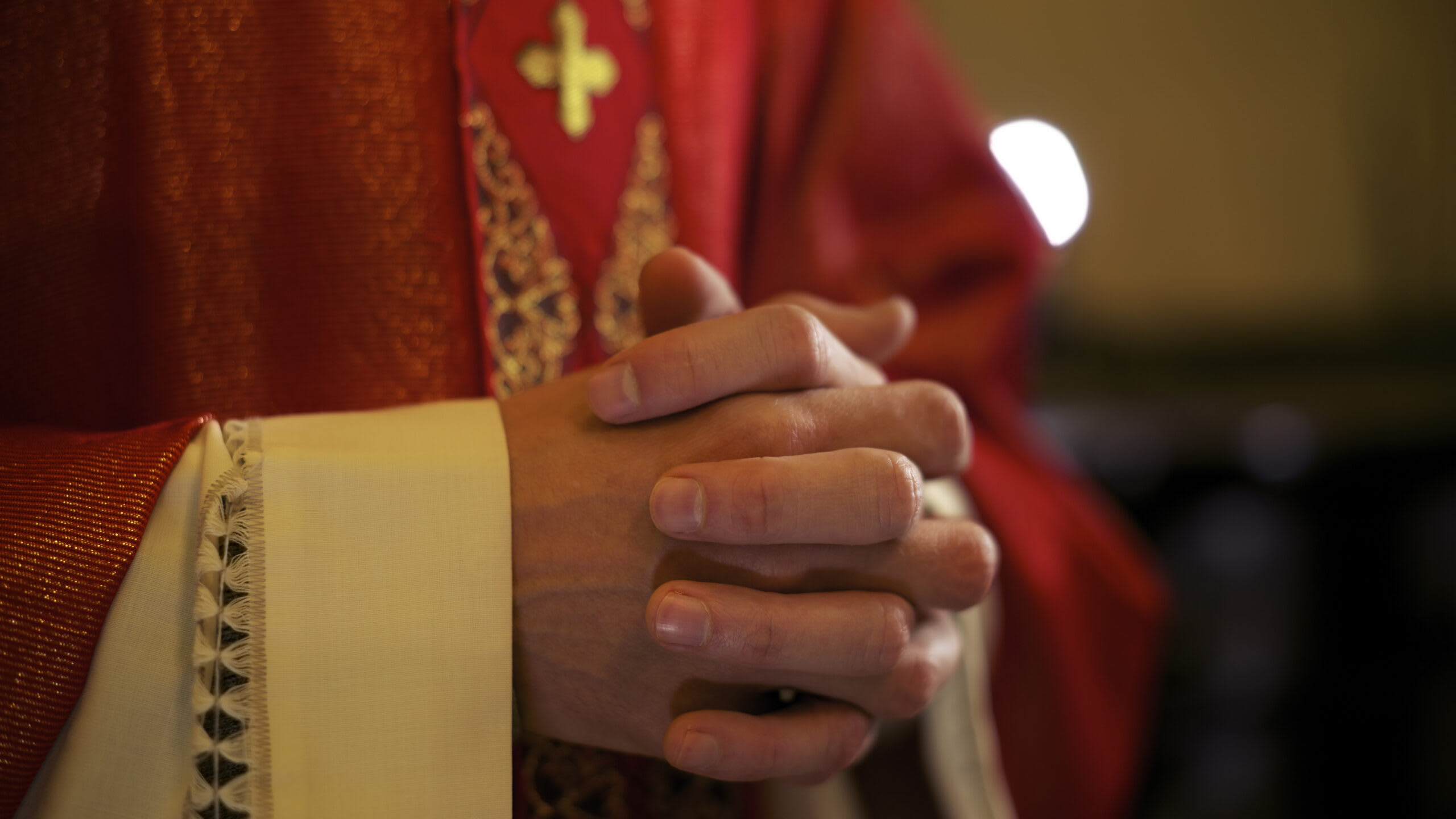
Florida Catholic bishops have rejected Attorney General James Uthmeier's attempt to force religious vaccine exemptions into their school policies. The Church maintains that it supports vaccinations and does not recognize theological grounds for refusing them.
The Conflict Between State Policy and Ecclesiastical Autonomy
In a significant clash between civil authority and religious doctrine, the Florida Catholic bishops have issued a firm rebuttal to a directive from Attorney General James Uthmeier. The core of the dispute centers on the implementation of vaccination policies within private religious institutions. While state officials have sought to enforce a broad interpretation of religious exemptions, the Catholic Church has maintained that its internal policies regarding health and community welfare take precedence in its own school system.
The Nature of the Attorney General's Directive
On July 31, Attorney General Uthmeier issued a letter to the state's Catholic leadership, essentially leveraging the threat of funding withdrawal to force the adoption of religious vaccine exemptions. The state's position, framed as a defense of religious freedom, attempts to mandate that private schools adhere to a specific interpretation of exemption laws. However, the Church has characterized this as an overreach, arguing that the state is attempting to dictate theological practice under the guise of protecting individual choice.
Catholic Doctrine vs. State Mandates
Crucially, the Florida Catholic dioceses have clarified that they do not recognize any theological argument against vaccination. By supporting public health initiatives, the Church has effectively decoupled its religious mission from the anti-vaccine sentiment currently championed by some state actors. Because the Church does not grant religious exemptions for vaccines, the state's demand is seen not as a defense of religious freedom, but as an intrusion into the private governing policies of a religious organization.
Legal and Institutional Implications
This confrontation highlights a growing tension regarding the extent of state power over private education. Florida law mandates that schools allow for religious exemptions, yet the Catholic school system operates on a policy that limits exemptions strictly to medically verified conditions. This creates a unique legal scenario where the Church is effectively protecting its autonomy by refusing to allow a religious exemption that it does not believe is doctrinally valid, thereby rejecting the state's attempt to force a specific policy onto their curricula.
Future Trends in Religious and Educational Governance
Moving forward, this standoff may set a precedent for how private religious schools navigate state pressure regarding public health mandates. If the state continues to pursue this line of action, it risks a broader legal battle over the separation of church and state. The bishops' refusal to comply suggests that religious institutions are increasingly willing to challenge executive directives that they perceive as contradictory to their institutional integrity and established internal health policies.