Burnham calls summit of Welsh, Scottish and Northern Irish first ministers
Source Entity
BBC News
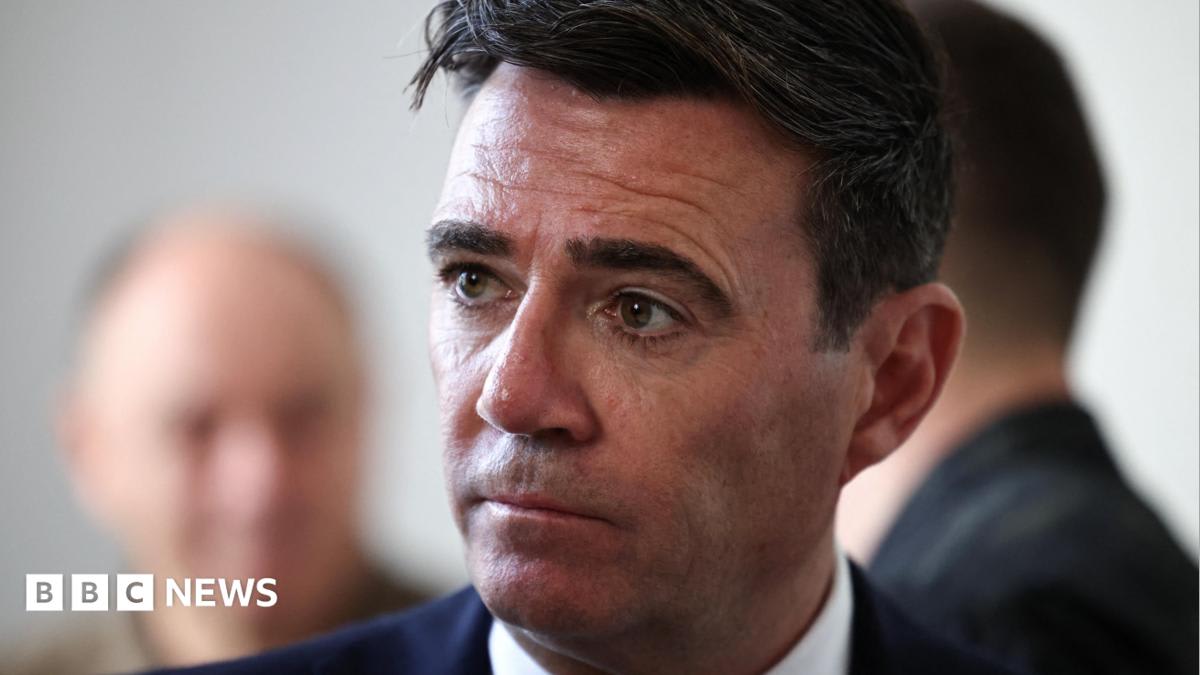
Prime Minister Burnham has announced a summit with the leaders of Wales, Scotland, and Northern Ireland to foster collaborative governance. The initiative seeks to address regional economic challenges, including energy costs and industrial funding, through direct engagement rather than centralized policy-making.
A New Era of Devolutionary Cooperation
Prime Minister Burnham’s recent announcement regarding a summit involving the first ministers of Wales, Scotland, and Northern Ireland marks a significant shift in the United Kingdom’s approach to intergovernmental relations. By initiating this dialogue during his first official visit to Wales, Burnham is signaling a move away from the traditional ‘echo chamber’ of Westminster-centric governance. This strategic pivot suggests a recognition that the complexities of the UK’s current economic climate require localized solutions tailored to the specific industrial and social strengths of each devolved nation.
Breaking the Westminster Echo Chamber
Burnham’s rhetoric emphasizes the necessity of listening to regional leaders to achieve the goal of generating 'good jobs' in every community. This approach acknowledges the long-standing critique that centralized decision-making often overlooks the nuanced realities of peripheral regions. By convening a summit, the Prime Minister is attempting to institutionalize a collaborative framework where the Welsh, Scottish, and Northern Irish governments have a direct seat at the table, ensuring that national policies are informed by regional expertise.
Addressing Industrial and Economic Disparities
The meeting with Deputy First Minister Sioned Williams highlights the urgent demands facing the Welsh government. Key issues such as the allocation of the UK government’s steel fund are central to this discourse. The steel industry has historically been a backbone of the Welsh economy, and its stability is vital for regional prosperity. By bringing these concerns to the forefront, the Welsh administration is pushing for a more equitable distribution of resources that acknowledges the unique industrial heritage and current struggles of Wales.
Tackling the Energy Cost Crisis
A critical component of the upcoming summit is the push for an 'energy social tariff' to mitigate fuel poverty. High energy bills and disproportionately high standing charges in Wales have created significant financial strain for households. By advocating for a unified approach to these costs, the devolved administrations are signaling that energy policy must be viewed through a social equity lens, rather than just a market-driven one. This push for reform reflects the broader struggle of many UK citizens facing inflationary pressures.
Future Implications for the Union
This summit represents a potential model for future governance within the UK. If successful, this collaborative strategy could strengthen the union by demonstrating that the central government is capable of acting in the interest of all its constituents. However, the success of this initiative will ultimately depend on the UK government's willingness to translate these high-level discussions into actionable policy and funding commitments. The dialogue between Burnham and Williams serves as a litmus test for whether the government can effectively reconcile national economic goals with the distinct needs of the devolved nations.