GMADA ‘hub of corruption’, says Kang, seeks transfer of clerical staff
Source Entity
Latest News: Todays Latest News Headlines from India & World | Hindustan Times | Hindustan Times
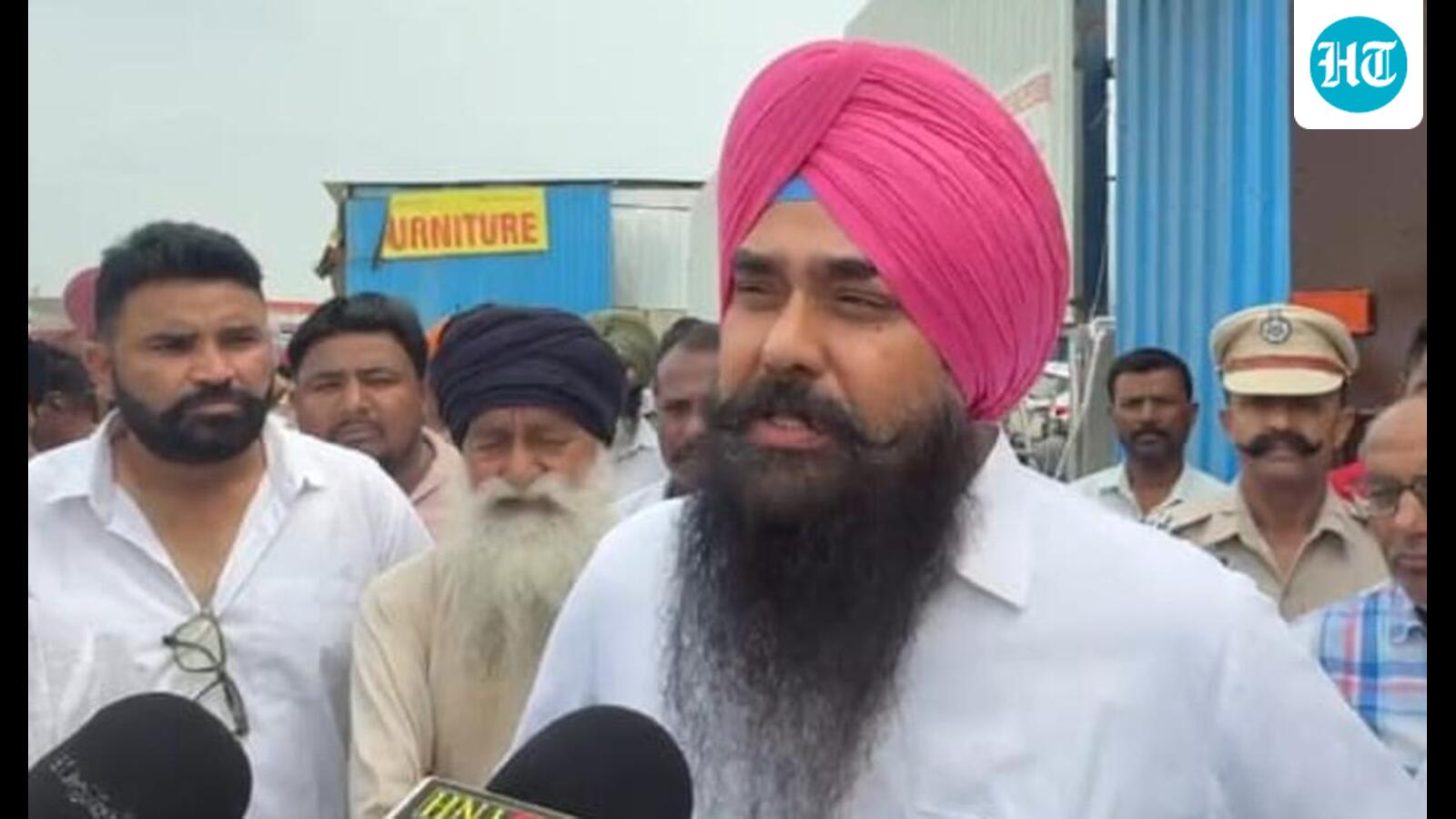
AAP MP Malvinder Singh Kang has accused GMADA of corruption, alleging selective demolition of shops in his constituency. He is demanding the transfer of clerical staff to ensure fair enforcement of anti-encroachment drives.
Allegations of Systemic Corruption in GMADA
Recent statements by Aam Aadmi Party (AAP) MP Malvinder Singh Kang have brought the Greater Mohali Area Development Authority (GMADA) under intense scrutiny. Kang, representing the Anandpur Sahib Lok Sabha constituency, has publicly labeled the development authority a "hub of corruption." This characterization follows a targeted demolition drive conducted by GMADA in the village of Sainimajra, located along the New Chandigarh road, which has sparked significant local unrest.
The Controversy of Selective Demolition
The core of the MP's grievance stems from reports of selective enforcement during GMADA's recent operations. According to Kang, numerous villagers reached out to him to complain that the demolition of furniture shops in Sainimajra was not applied uniformly. The perception of bias in administrative actions often undermines the credibility of urban development bodies, leading to accusations that enforcement is used as a tool for harassment or favoritism rather than equitable city planning.
Call for Administrative Reform
In response to these allegations, MP Kang has demanded a comprehensive transfer of the clerical staff within GMADA. This request is predicated on the belief that the current operational culture—which he views as corrupt—is deeply embedded within the lower and middle-tier bureaucracy. By calling for a shake-up of personnel, Kang aims to disrupt established patterns of influence that may be dictating which structures are targeted for demolition and which are permitted to remain.
Institutional Accountability and Governance
Kang’s intervention underscores the ongoing tension between local political representatives and state-run development authorities. As an elected official, Kang argues that the authority must act with transparency and fairness. His ultimatum to GMADA officials—that they should either remove all encroachments or provide a universal warning to all property owners—highlights a push for a standardized policy that eliminates the ambiguity currently fueling allegations of selective targeting.
Broader Implications for Urban Planning
This incident highlights the precarious nature of land use and encroachment enforcement in rapidly developing regions like New Chandigarh. As urban sprawl expands, the pressure on development authorities to manage land usage increases, often leading to conflicts between the state and local small-business owners. The demand for accountability in GMADA suggests that future urban development projects in Punjab may face higher levels of political oversight and public demand for procedural integrity.
Looking Toward Future Oversight
Moving forward, the situation will likely hinge on the response from the GMADA leadership, including Chief Administrator Sandeep Rishi. The pressure exerted by an MP of the ruling party suggests that internal audits or procedural changes may be forthcoming. If the administration fails to address these claims of corruption and lack of fairness, it risks further alienation of the local constituency and potential legislative interference in its future operations.
Verification Required?