States sue to block Trump-backed USPS mail-ballot rule after Supreme Court setback
Source Entity
US Top News and Analysis
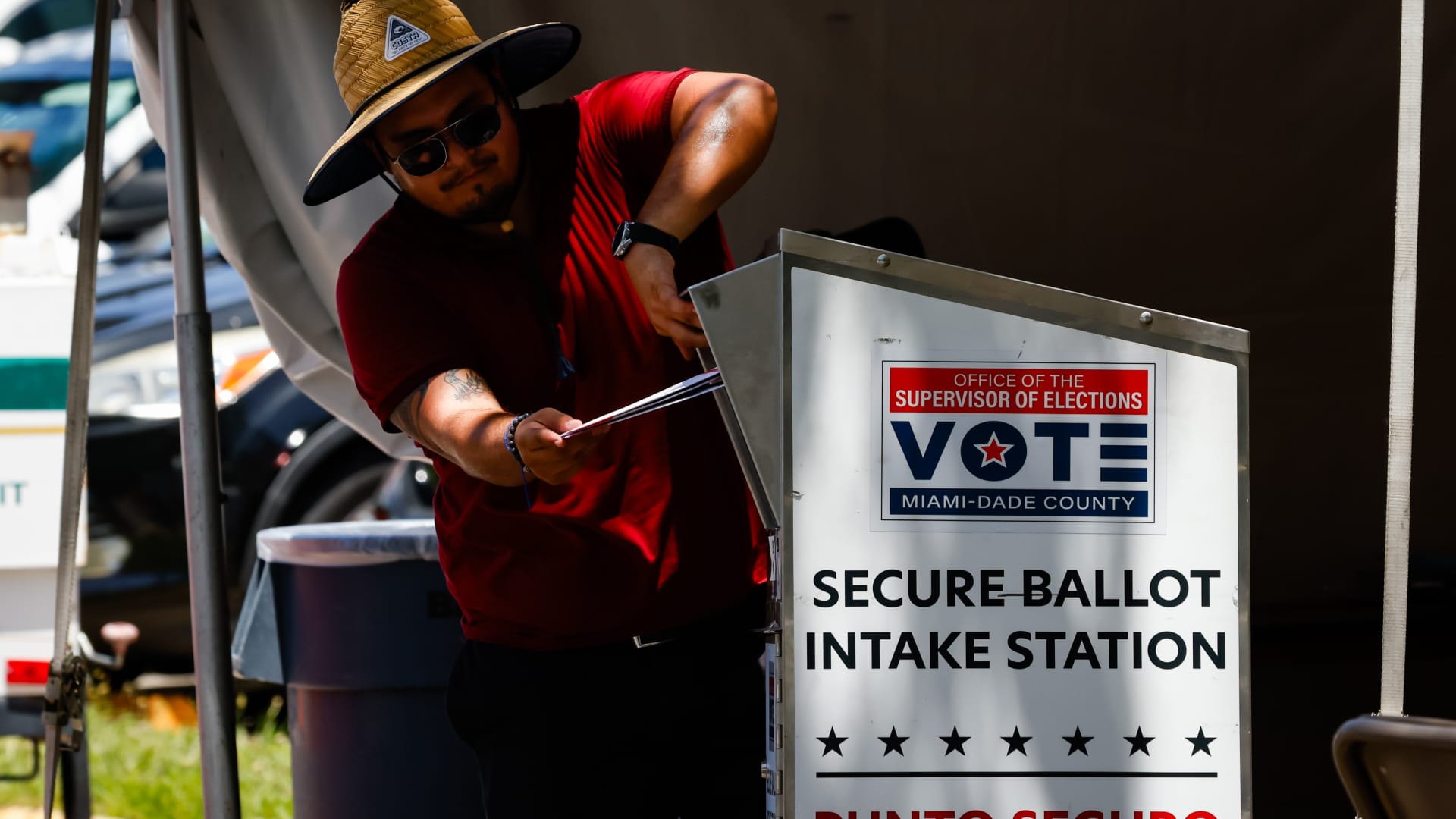
Democratic-led states have filed a new lawsuit challenging a Trump-backed USPS rule requiring specific voter data sharing and unique barcode usage for ballots. This follows a Supreme Court decision that previously dismissed an earlier challenge on procedural grounds.
The Legal Battle Over USPS Ballot Regulations
A Renewed Legal Challenge
Following a procedural setback at the Supreme Court, a coalition of 23 states, Washington D.C., and Pennsylvania Governor Josh Shapiro have launched a fresh legal offensive against a Trump-backed initiative concerning mail-in voting. The core of the dispute centers on a finalized U.S. Postal Service (USPS) rule that mandates election officials to disclose specific voter information and utilize federally reviewed, uniquely barcoded ballot envelopes. This litigation represents a significant escalation in the ongoing debate over the intersection of federal postal administration and state-run election oversight.
Procedural Hurdles and Judicial Strategy
The Supreme Court’s recent decision to allow the USPS order to proceed was predicated on the argument that the plaintiffs had sued prematurely. By waiting for the rule to be finalized, the coalition of Democratic-led states is attempting to bypass this procedural barrier. This shift in legal strategy signals a concerted effort by state-level officials to force a substantive judicial review of the policy’s merits rather than having the case dismissed on technicalities. The timing of this filing, shortly after the High Court's initial ruling, underscores the urgency felt by state governments regarding the upcoming election cycle.
Implications for Election Integrity
At the heart of this conflict is the tension between federal standardization and state sovereignty. The Trump-backed rule, which requires the use of uniquely barcoded envelopes and the sharing of voter data, is framed by its proponents as an essential measure for tracking and security. Conversely, the plaintiff states argue that these requirements impose undue burdens on local election officials and potentially compromise the privacy of voters. The outcome of this case will likely determine the extent to which federal agencies can dictate the logistics of state-managed mail-in voting systems.
The Role of the Postal Service
As a critical component of the democratic process, the USPS occupies a unique position in American elections. The requirement that election officials provide data to the Postal Service marks a departure from traditional decentralized election management. Experts suggest that if these rules are upheld, it could establish a precedent for increased federal oversight of local ballot handling. The debate highlights the broader concern regarding the influence of executive-level policy on the mechanical execution of voting, particularly in a politically polarized climate.
Historical Context and Future Trends
Mail-in voting has been a focal point of American political discourse, especially following the 2020 election. The evolution of these regulations reflects a broader trend toward the administrative hardening of election infrastructure. As states and federal entities continue to clash over these procedures, the judiciary is increasingly becoming the ultimate arbiter of election administration. The final resolution of this lawsuit will likely set a long-term standard for how mail-in ballots are handled, tracked, and verified across the United States, shaping the future of election accessibility and security measures.