Was Gen. Randy George fired over Kid Rock probe? Here's the truth behind Pete Hegseth’s Pentagon decision
Source Entity
Latest News: Todays Latest News Headlines from India & World | Hindustan Times | Hindustan Times
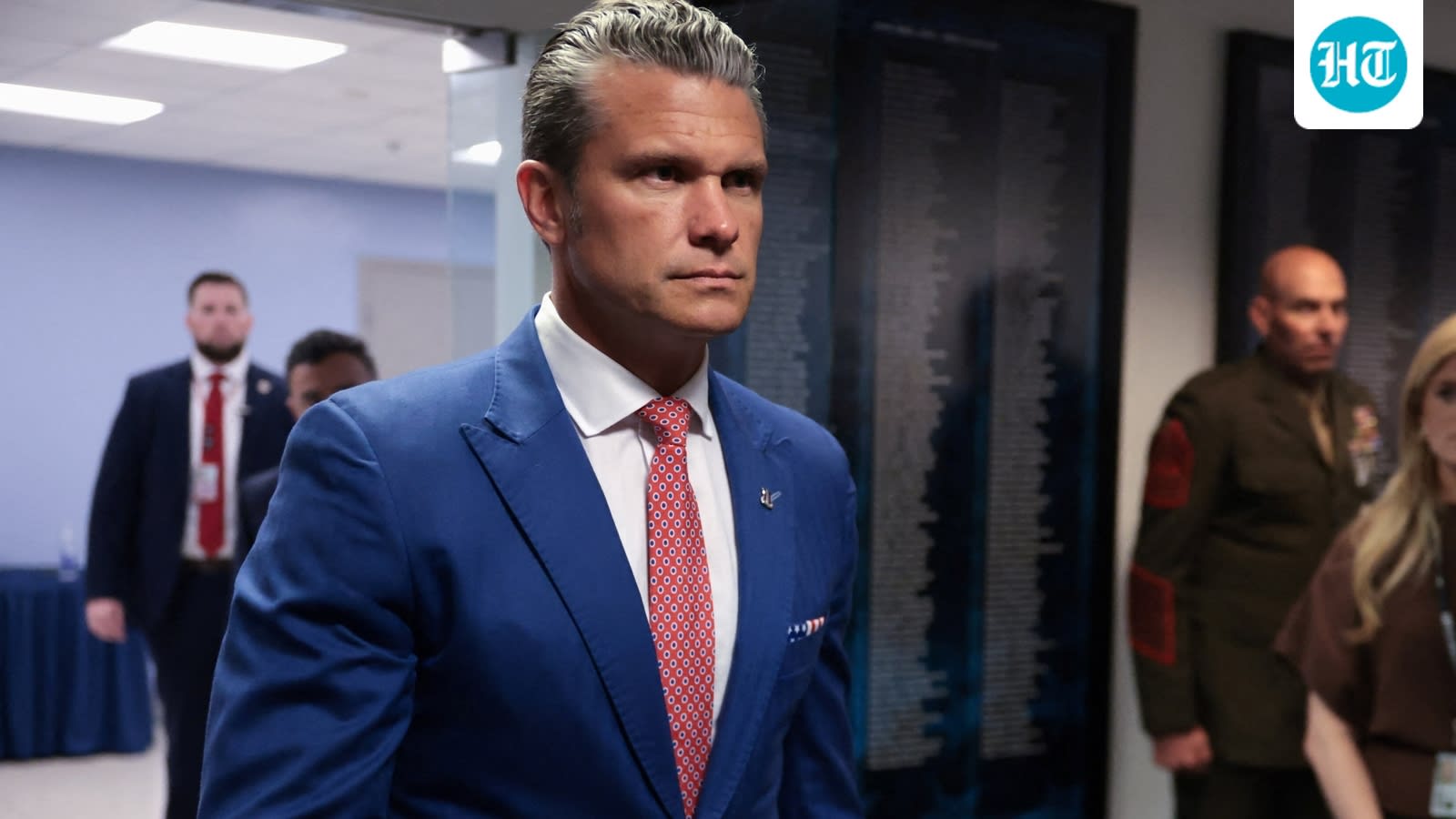
General Randy George was removed from his position as the Army's top officer following his refusal to halt an investigation into an unauthorized helicopter flyby over Kid Rock's estate. Defense Secretary Pete Hegseth reportedly pressured George to stop the probe before his eventual dismissal.
The Intersection of Military Accountability and Political Influence
Recent reports have unveiled a troubling sequence of events involving the removal of General Randy George, the Army’s top officer. Central to this controversy is an internal military investigation into the unauthorized flight of two AH-64 Apache helicopters over musician Kid Rock’s estate near Nashville on March 28. The core issue revolves around whether these maneuvers violated strict military safety regulations and established flight protocols.
The Pressure to Halt the Investigation
According to reporting from The Washington Post, the situation escalated when General George was urged by fellow senior leadership, specifically General Chris LaNeve, to terminate the investigation. Reports indicate that LaNeve communicated that Defense Secretary Pete Hegseth did not want the probe into the Kid Rock flyby to continue. This pressure suggests a direct conflict between military oversight procedures and the preferences of civilian leadership regarding high-profile incidents.
The Dismissal of General George
Days after this internal pushback, General Randy George was removed from his post. While Defense Secretary Pete Hegseth has not provided a formal public justification for the dismissal, the timing of the decision—coming immediately after the resistance to stopping the investigation—has drawn significant scrutiny. The removal of a top-ranking officer during an active inquiry into safety breaches raises questions about the independence of military internal affairs investigations.
The Role of Military Protocol and Civil-Military Relations
The incident touches on the fundamental principles of civil-military relations. In the United States, military officers are expected to adhere to rigorous safety standards regardless of the public profile of the individuals involved. When civilian leadership appears to intervene in specific disciplinary or investigative matters, it risks undermining the chain of command and the perception of impartial justice within the armed forces.
Implications for Future Leadership
General Chris LaNeve, who reportedly facilitated the request to halt the probe, is currently being considered as a potential successor to General George. This development adds a layer of complexity to the narrative, as it highlights how political alignment or compliance with civilian directives may influence the selection process for the highest echelons of the U.S. Army. The potential for such shifts in leadership could alter how the military handles future internal oversight.
Conclusion
The dismissal of General Randy George serves as a stark reminder of the tensions that can arise when military safety investigations intersect with political optics. By prioritizing the termination of an investigation into a celebrity’s property over standard military accountability, the incident has sparked a broader debate about the integrity of internal processes and the necessity of insulating military oversight from external political pressures.
Verification Required?