Yum Brands earnings beat estimates, but cyclospora outbreak weighs on Taco Bell
Source Entity
US Top News and Analysis
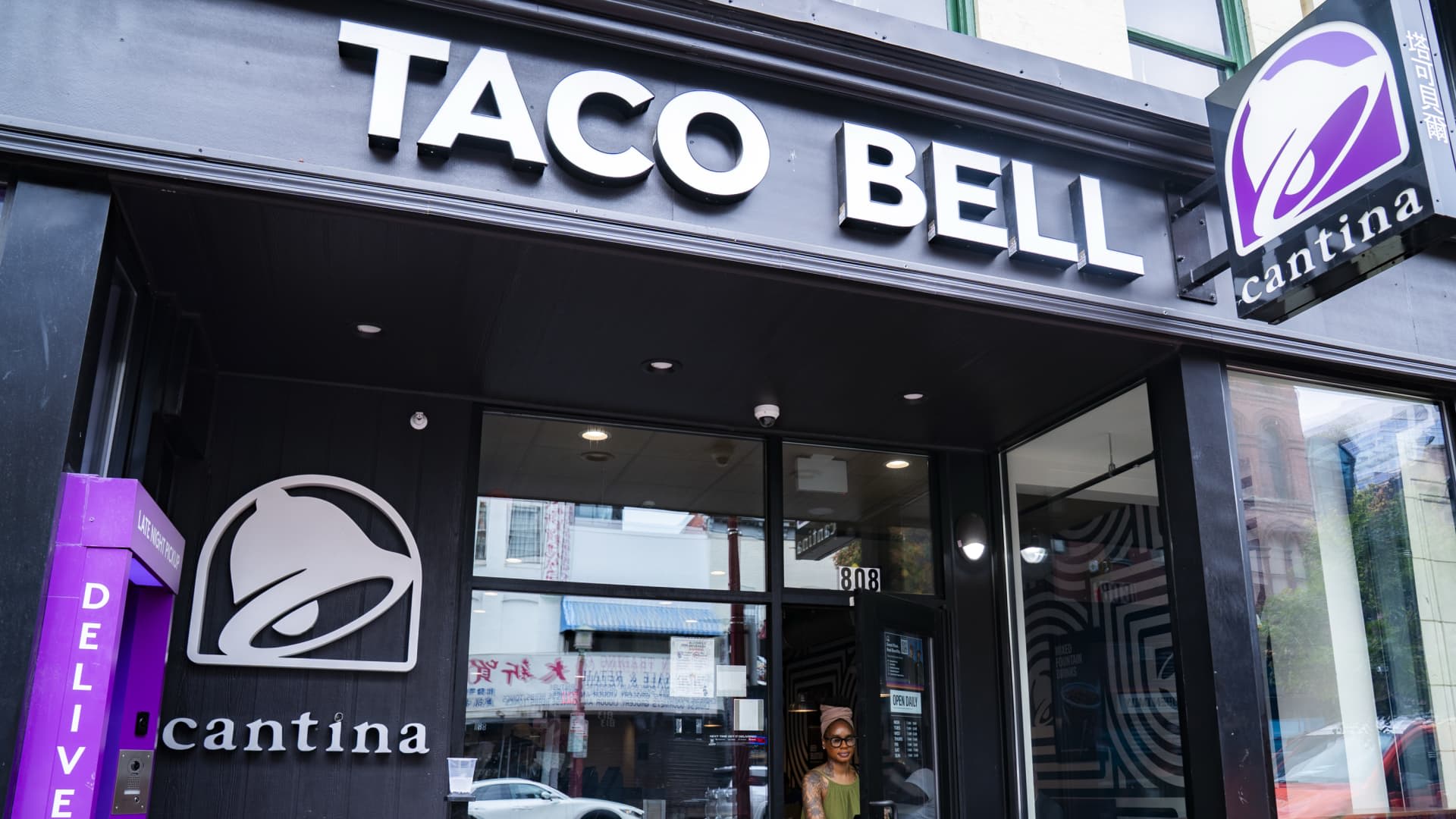
Yum Brands outperformed earnings expectations despite a temporary sales slump at Taco Bell caused by a cyclospora outbreak. The company reports that Taco Bell has since recovered and is currently outperforming the broader quick-service industry.
Financial Performance and Operational Resilience
Yum Brands recently navigated a complex fiscal quarter, reporting adjusted earnings per share of $1.56, which comfortably surpassed the $1.49 anticipated by Wall Street analysts. While the company met revenue expectations at $2.05 billion, the report highlighted a significant operational hurdle: a Cyclospora outbreak linked to iceberg lettuce served at Taco Bell locations. This health-related incident created a tangible drag on same-store sales growth, underscoring the inherent risks associated with supply chain management in the fast-food sector.
The Impact of Food Safety on Brand Equity
The outbreak of Cyclospora—a parasite typically associated with contaminated fresh produce—serves as a reminder of the vulnerability of quick-service restaurant (QSR) chains to food safety protocols. For a brand like Taco Bell, which relies heavily on high-volume throughput of fresh ingredients, any disruption in the supply chain can lead to immediate declines in consumer traffic. The company’s ability to maintain overall profitability despite this localized crisis suggests a robust corporate structure and diversified revenue streams across its other brands.
Tactical Recovery and Market Momentum
Despite the negative publicity and traffic dips associated with the outbreak, management has been quick to frame the situation as a temporary setback. CEO Chris Turner emphasized that the brand has successfully pivoted since the end of September. By outpacing the broader QSR industry in same-store sales growth during this recovery period, Taco Bell is attempting to reassure investors that its status as a "growth engine" remains intact. This recovery narrative is critical for maintaining investor confidence in a competitive landscape.
Strategic Implications for Supply Chain Management
Food safety incidents often serve as catalysts for systemic changes in procurement and quality control. Moving forward, Yum Brands will likely face increased scrutiny regarding its supplier oversight for raw produce like iceberg lettuce. The company’s financial strength, evidenced by its $1.62 billion in fiscal third-quarter net income, provides the necessary capital to invest in enhanced safety monitoring and supplier audits to prevent similar occurrences in the future.
Future Trends and Investor Outlook
Looking ahead, the resilience demonstrated by Yum Brands suggests that the market is willing to overlook short-term operational mishaps if the underlying brand health remains strong. However, future trends will depend on how effectively the company manages these supply chain risks. If Taco Bell continues to maintain its current momentum, the impact of the Cyclospora outbreak will likely be remembered as a minor fiscal footnote rather than a long-term structural issue for the enterprise.