Can the Zelda remake capture the magic of the original?
Source Entity
BBC News
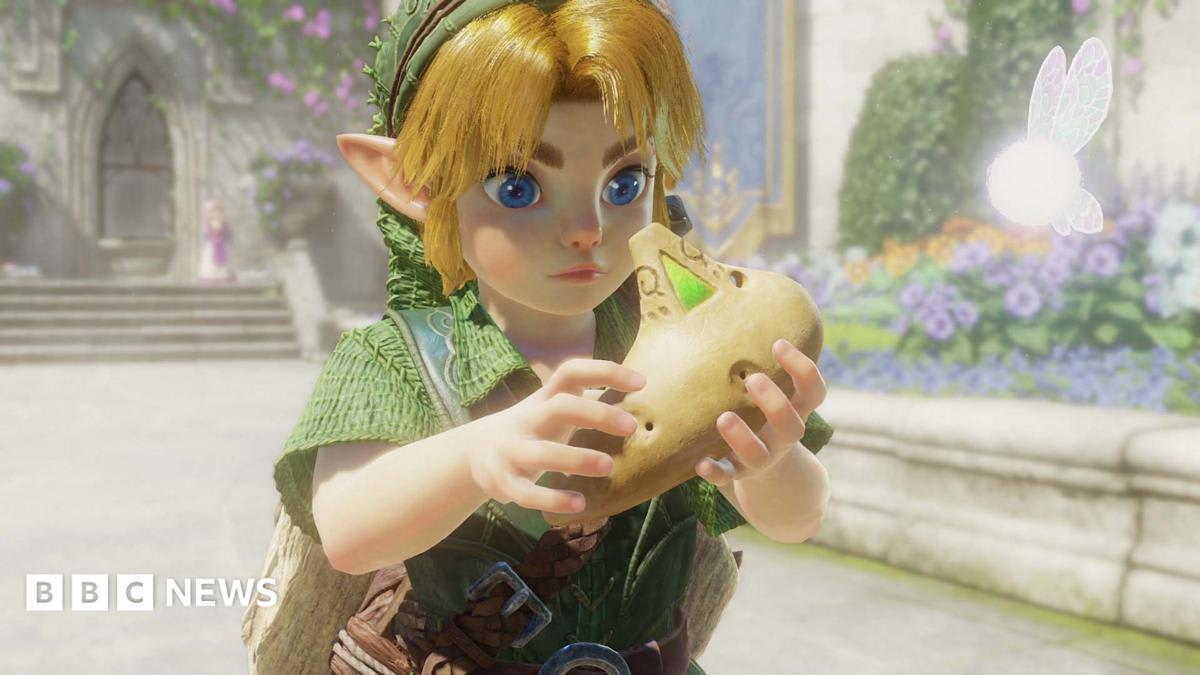
Nintendo has officially released a long-rumored remake of the iconic 'The Legend of Zelda: Ocarina of Time'. The title aims to modernize a game historically regarded as the gold standard for 3D adventure gaming.
The Legacy of Hyrule: Reimagining a Masterpiece
The release of the The Legend of Zelda: Ocarina of Time remake marks a significant milestone in gaming history. After years of intense speculation and industry rumors, Nintendo has finally brought its most critically acclaimed title back to modern consoles. As a game that holds the distinction of being the highest-rated title in history on Metacritic, the pressure to maintain the integrity of the original experience while providing modern enhancements is immense.
Pioneering the 3D Gaming Landscape
When Ocarina of Time first launched on the Nintendo 64 in 1998, it was not merely a game; it was a technological revolution. IGN famously labeled it the "biggest game of the decade," a sentiment shared by critics worldwide. Its design philosophy effectively set the gold standard for how 3D titles should function, influencing generations of developers who sought to emulate its depth, scale, and narrative ambition.
Core Mechanics and Modern Standards
Many of the gameplay elements that contemporary gamers now consider fundamental were either pioneered or perfected within this specific entry. The intuitive nature of horse-back traversal, the fluid mechanics of sword-and-shield combat, and the revolutionary "Z-targeting" system—which allows players to lock onto enemies with a simple button tap—all trace their lineage back to this title. These innovations provided a blueprint for 3D action-adventures, making the game a masterclass in mechanical design.
The Challenge of the Remake
Remaking a title that is widely considered a "perfect" game presents a unique paradox for Nintendo. The goal is to modernize the visuals and user interface without stripping away the specific "magic" that made the 1998 original so impactful. As critics like the BBC’s Tom Gerken begin to weigh in, the central question remains whether a modern iteration can capture the same sense of awe that defined the original N64 experience.
Broader Implications for Industry Preservation
This release highlights the ongoing trend of gaming companies looking toward their back catalogs to bridge the gap between nostalgia and modern hardware capabilities. By revisiting the highest-rated game in history, Nintendo is not only catering to long-time fans but also introducing a seminal piece of interactive media to a new generation of players. The success of this remake will likely serve as a case study for how to handle the legacy of industry-defining intellectual property.
Conclusion
Ultimately, the arrival of the Ocarina of Time remake is a testament to the enduring power of high-quality game design. While the industry has evolved exponentially since 1998, the core pillars of exploration and combat established by this title remain as relevant as ever. Whether this version lives up to the lofty expectations of its predecessor or creates a new legacy of its own, its release confirms that the legend of Hyrule continues to be a central pillar of the video game landscape.