She pays $96 a month to live in Yellowstone National Park: 'Being here has changed my life'
Source Entity
US Top News and Analysis
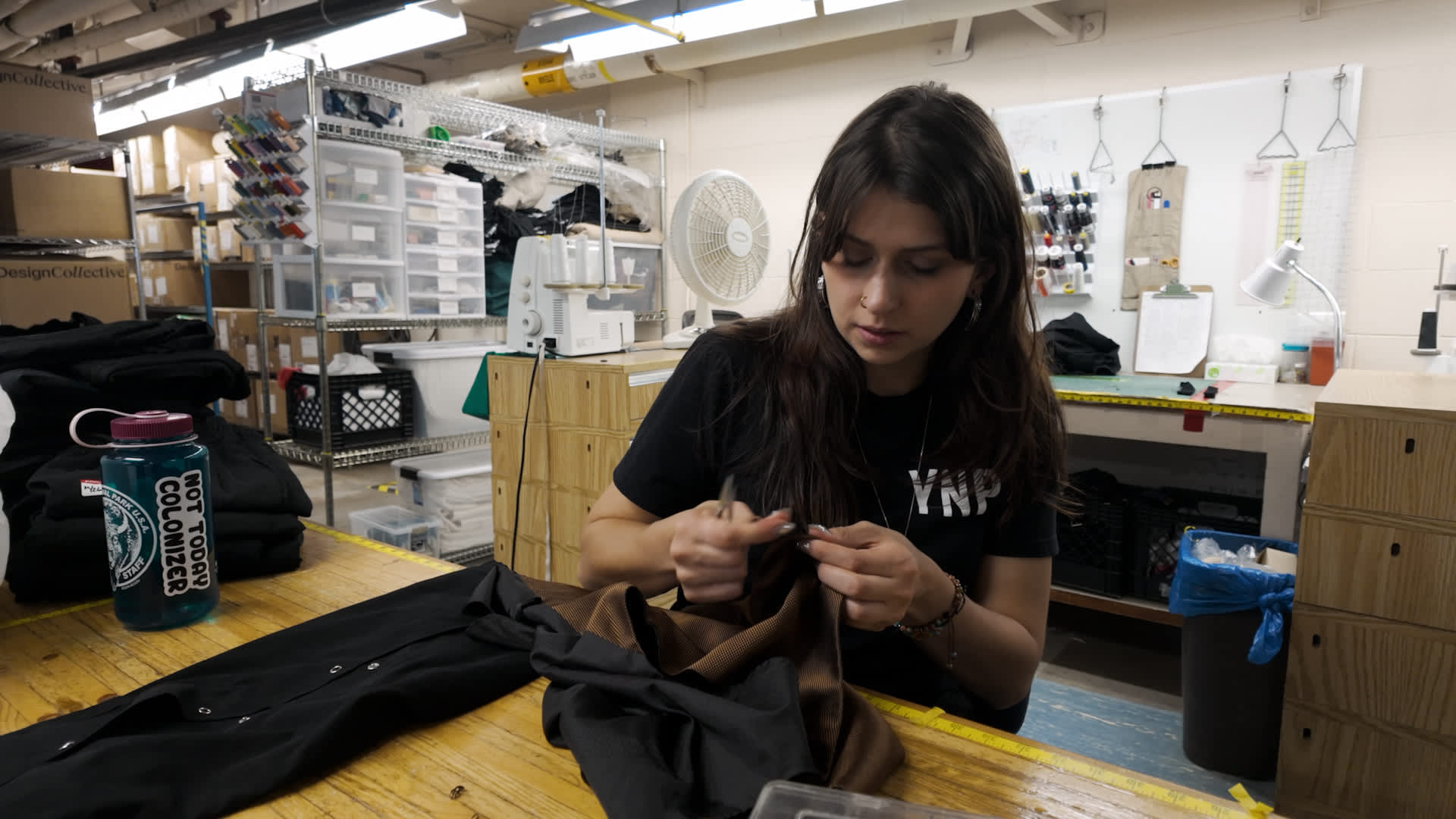
Zoe De La Paz, a 26-year-old former corporate worker, transitioned to a life in Yellowstone National Park as a seamstress. Despite unconventional living conditions, she views her low-cost, park-based lifestyle as a transformative personal success.
A Shift from Corporate Life to Wilderness Living
In a striking departure from the traditional corporate trajectory, 26-year-old Zoe De La Paz has exchanged the high-pressure environment of a Chicago professional office for the rugged terrain of Yellowstone National Park. After choosing to leave her previous employment, De La Paz relocated to the park in June to serve as a seamstress for Xanterra Parks & Resorts. This transition highlights a growing trend among millennials who are prioritizing personal fulfillment and unique life experiences over conventional career progression, as documented in the CNBC Make It 'Millennial Money' series.
The Reality of Park Concessionaire Life
Working for Xanterra, the primary concessionaire responsible for managing hotels, lodges, and dining facilities within Yellowstone, places De La Paz at the heart of park operations. Her role as a seamstress in the uniform department is essential for maintaining the professional standards of the vast hospitality network required to support millions of annual visitors. However, this employment comes with a distinct lifestyle shift, characterized by shared living quarters in Mammoth Village and a reliance on communal infrastructure rather than the private amenities typical of urban living.
Economic and Logistical Trade-offs
Living in one of the world's most famous national parks involves significant logistical adjustments. De La Paz pays a modest $96 per month for housing, a figure that stands in stark contrast to the high cost of living in major metropolitan areas like Chicago. Yet, this affordability comes with constraints: she shares a bedroom with a roommate, lacks a personal vehicle, and relies on hitchhiking for transportation into nearby towns. These conditions underscore the financial trade-offs inherent in choosing a life of wilderness immersion over urban convenience.
Adapting to the Rhythm of Nature
Beyond the logistical challenges, the environment of Yellowstone dictates the daily rhythm of life. De La Paz reports being awakened by the sound of elk bugling at 3 a.m., a phenomenon she humorously refers to as a 'nightmare alarm clock.' This sensory reality serves as a daily reminder of the proximity to wildlife and the untamed nature of the park, which stands in direct opposition to the predictable, climate-controlled environments of corporate America.
A Broader Movement Towards Value-Driven Living
De La Paz’s story is indicative of a broader cultural shift where individuals are redefining the concept of a 'dream life.' By measuring success through the lens of personal satisfaction and connection to nature rather than fiscal accumulation, she represents a demographic that is increasingly willing to sacrifice modern comforts for environmental proximity. While this lifestyle is not without its hardships, the move reflects a deliberate choice to prioritize long-term happiness over the traditional markers of success, marking a profound change in her personal and professional trajectory.