Houthis in Yemen are putting Mecca Pact to the test
Source Entity
Sabine Ameer
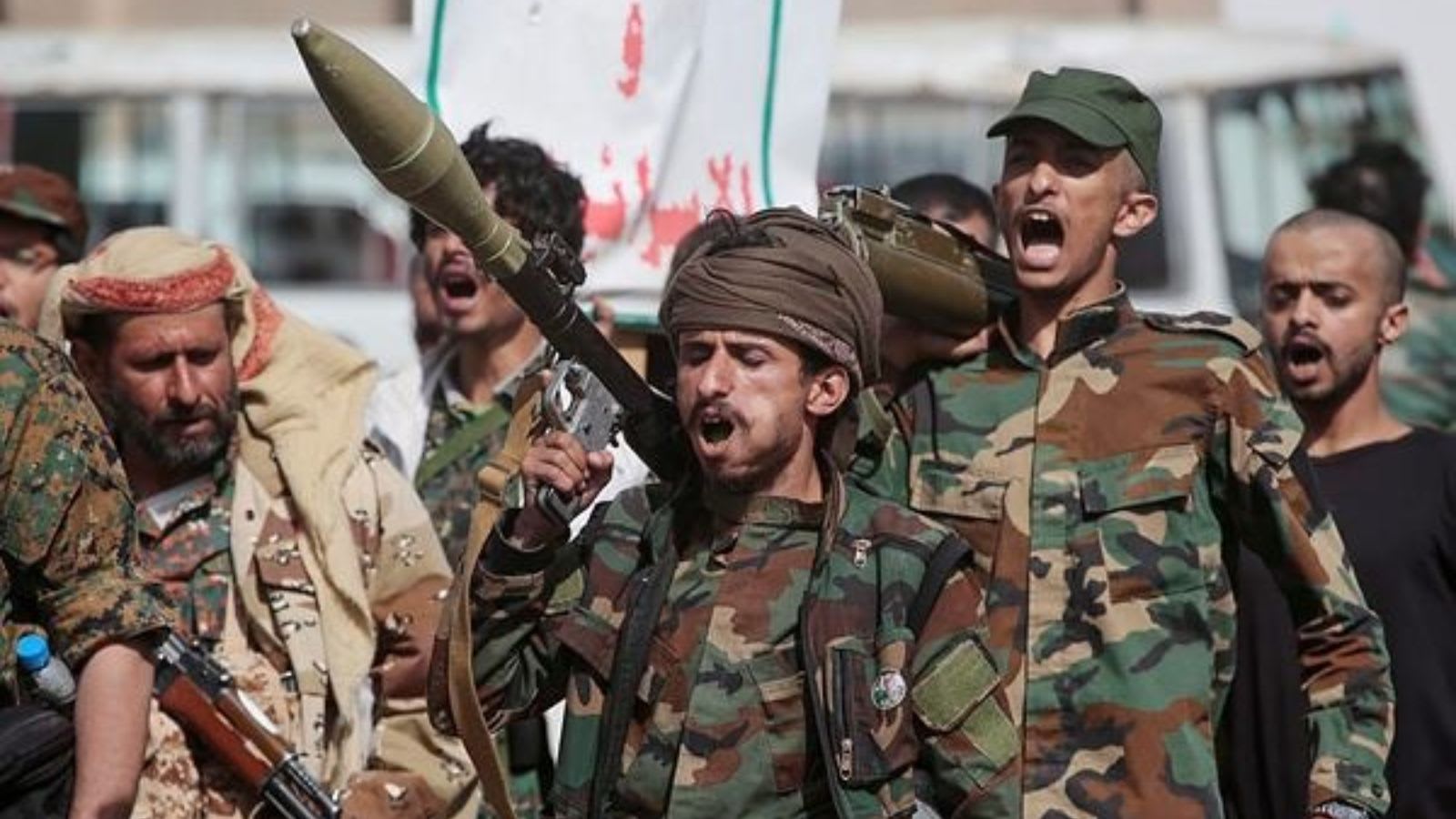
The newly signed Mecca Joint Defence Agreement between Saudi Arabia, Türkiye, and Pakistan faces its first major test due to escalating Houthi attacks. While Turkey and Pakistan have pledged support for Saudi sovereignty, the pact remains untested in actual combat operations.
The Mecca Joint Defence Agreement: A New Era of Collective Security
The geopolitical landscape of the Middle East has shifted significantly with the signing of the Mecca Joint Defence Agreement (MJDA). This trilateral framework, involving Saudi Arabia, Türkiye, and Pakistan, establishes a mechanism for collective deterrence, grounded in Article 51 of the UN Charter. By declaring that an armed attack against one signatory constitutes an attack against all, the pact seeks to formalize a security architecture that has long been sought by regional powers.
The 'Islamic NATO' Comparison
Within hours of the August 7 signing, observers began labeling the agreement an "Islamic NATO." This comparison draws on the shared principle of collective self-defence, mirroring NATO’s Article 5. However, while the comparison is rhetorically powerful, the MJDA currently lacks the institutionalized command structures and decades-long military integration that define the North Atlantic Treaty Organization. The agreement functions more as a high-level strategic commitment than a fully operationalized military bloc.
Houthi Aggression as the Catalyst
The immediate trigger for the activation of these diplomatic pledges has been the persistent and escalating attacks by Yemen’s Houthi rebels against Saudi territorial integrity. Turkish Foreign Minister Hakan Fidan recently underscored this, noting that Saudi Arabia faces serious challenges to its sovereignty. Consequently, Turkey has signaled its readiness to meet Saudi military and technical needs, framing this assistance as a natural extension of the solidarity promised under the MJDA.
Pakistan's Strategic Stance
Pakistan’s involvement adds a nuclear-armed dimension to the regional security calculus. Military spokesperson Lt. Gen. Ahmed Sharif Chaudhry has publicly affirmed that Islamabad stands with the Kingdom "diplomatically and physically," pledging to go to "any extent" required by the Saudi leadership. This statement serves as a potent deterrent, signaling to regional adversaries that the Kingdom is not isolated in its defense.
The Limits of Intervention
Despite the strong rhetoric, a critical distinction remains between diplomatic support and direct combat intervention. Pakistan has not committed to direct military action against the Houthis, and the MJDA itself remains untested in a live combat theater. The current strategy appears to favor a mixture of material support and diplomatic pressure rather than an immediate escalation into a full-scale regional war.
Future Trends and Regional Stability
The future of the MJDA depends on how the signatories manage the balance between deterrence and de-escalation. While the pact provides Saudi Arabia with a vital security umbrella, the ultimate success of the agreement will be measured by its ability to neutralize threats without triggering a wider regional conflagration. As Riyadh faces ongoing pressure, the world will be watching to see if this "Islamic NATO" evolves into a robust combat-ready alliance or remains a cautionary diplomatic shield.