‘Madam cow ke liye parcel order kiya apne?’: Woman orders rotis from Zomato, urges rider to feed animals
Source Entity
Latest News: Today's Latest News Headlines from India & World | Hindustan Times | Hindustan Times
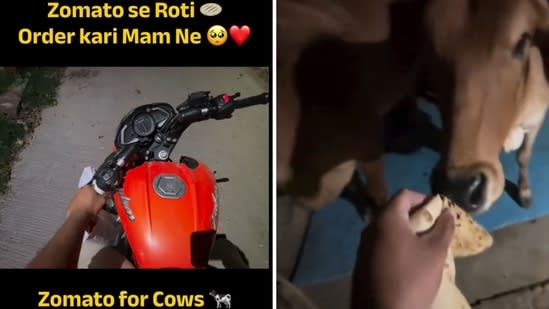
A heartwarming incident has gone viral after a woman ordered rotis through Zomato specifically to feed stray cows, leading the delivery partner to refuse payment in a gesture of solidarity and kindness.
A Intersection of Digital Convenience and Traditional Compassion
In a heartwarming display of empathy that has captured the attention of social media users, a recent incident involving a Zomato delivery partner and a customer highlights the enduring nature of kindness in an increasingly digitized world. The event centered around a simple order of rotis, which, upon arrival, was revealed to be intended not for human consumption, but for the nourishment of stray cows. This act of altruism triggered a chain reaction of generosity when the delivery rider, moved by the woman's intent, refused to accept payment for the order.
The Human Element in the Gig Economy
This incident is particularly poignant when viewed through the lens of the modern gig economy. Delivery partners for platforms like Zomato and Swiggy often operate as invisible cogs in a massive algorithmic machine, frequently facing grueling hours and high-pressure targets. However, the rider's decision to waive the payment demonstrates a moment of human agency and moral autonomy. By choosing to support the woman's cause, the rider transitioned from a mere service provider to a participant in a communal act of kindness, reminding the public that empathy exists even within the most transactional professional relationships.
Cultural Significance of Gau Seva
To fully understand the impact of this story, one must consider the deep-rooted cultural and religious significance of cows in India. The practice of Gau Seva (serving cows) is a cornerstone of many Indian traditions, where feeding animals is seen as a way to earn spiritual merit and practice non-violence (ahimsa). The woman's decision to use a food-delivery app to facilitate this traditional act represents a fascinating blend of ancient values and modern convenience. It shows how traditional philanthropic impulses are adapting to the urban lifestyle, where residents may not have the means to prepare food themselves but still wish to contribute to the welfare of animals.
The Role of Viral Positivity in Social Discourse
Stories like these often go viral because they provide a necessary counter-narrative to the frequently negative news cycles surrounding urban strife or corporate exploitation. When such an interaction is shared online, it creates a positive feedback loop that humanizes both the consumer and the worker. While Zomato as a corporation benefits from the indirect positive PR, the real value lies in the social validation of kindness. This specific event reinforces the idea that small, individual actions can resonate widely, encouraging others to engage in similar acts of selfless service within their own communities.
Future Implications for Urban Community Welfare
Looking forward, this event suggests a growing trend of 'micro-philanthropy' facilitated by technology. As urban centers grow and people become more isolated, the use of digital platforms to coordinate care for stray animals or the needy is likely to increase. We may see more instances where the 'last-mile' delivery personnel become unexpected allies in community welfare, acting as the physical bridge between a donor's intention and the recipient's need. This shift could potentially lead to more formalized ways for delivery platforms to integrate social responsibility into their operational models.
Conclusion
Ultimately, the story of the woman and the Zomato rider is more than just a feel-good anecdote; it is a testament to the resilience of human empathy. By bridging the gap between a digital transaction and a selfless act of service, both individuals demonstrated that kindness transcends economic status and professional roles. This incident serves as a powerful reminder that even in a fast-paced, tech-driven society, the simple act of feeding a hungry animal can spark a meaningful connection between strangers.
Verification Required?