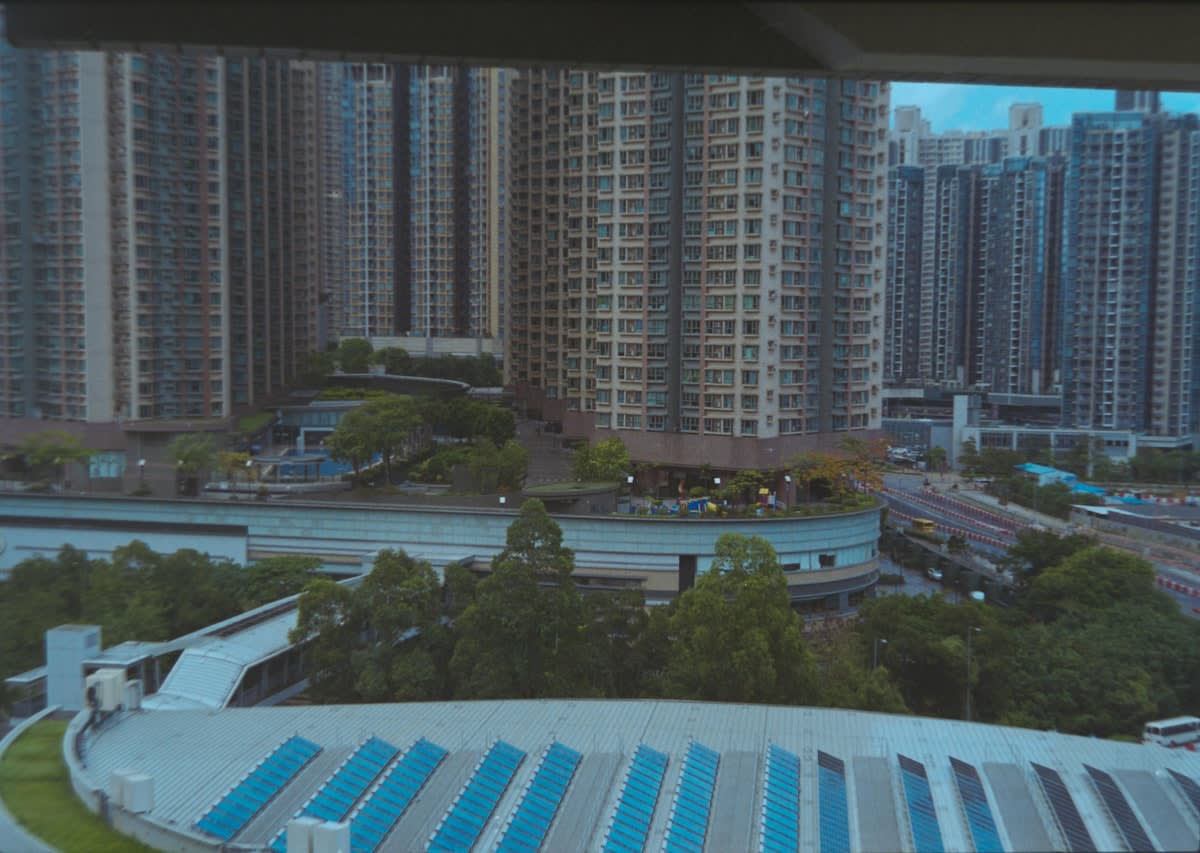
The city is not a wasteland for nature; it is a high-pressure evolutionary laboratory. For decades, biologists viewed urban wildlife—the pigeons, the rats, the resilient weeds—as opportunistic squatters using behavioral plasticity to survive. They thought these animals were simply learning to navigate traffic or eat discarded fries. We were wrong. Recent genomic sequencing reveals that the urban environment is driving actual genetic mutations at a pace that dwarfs traditional evolutionary timelines. We are witnessing a biological pivot where the concrete jungle acts as a selective filter, scrubbing out traits that fail in the city and amplifying those that allow for rapid adaptation.
The shift in scientific understanding over the last twelve months is profound. While 2023 research focused heavily on phenotypic plasticity—the ability of one genotype to produce different phenotypes—the data emerging in 2024 points toward hard-coded genomic divergence. We are no longer talking about a bird singing louder to be heard over traffic; we are talking about the genetic predisposition for higher-frequency vocalizations becoming fixed in urban populations. This is the delta: a move from temporary behavioral adjustment to permanent biological rewriting.
The Genomic Architecture of the City
Take the white-footed mouse in New York City. These aren't just 'city mice.' Analysis of their genomes reveals significant divergence from their rural cousins, specifically in genes related to digestion and toxin metabolism. The urban diet—rich in processed fats and synthetic chemicals—has forced a rapid evolution in the enzymes these rodents use to process nutrients (Source: Nature Communications, 2022). If you dropped a rural mouse into Manhattan, its gut microbiome and genetic toolkit would struggle to keep up with the chemical onslaught of a modern metropolis. The city has effectively created a new subspecies in a matter of generations.
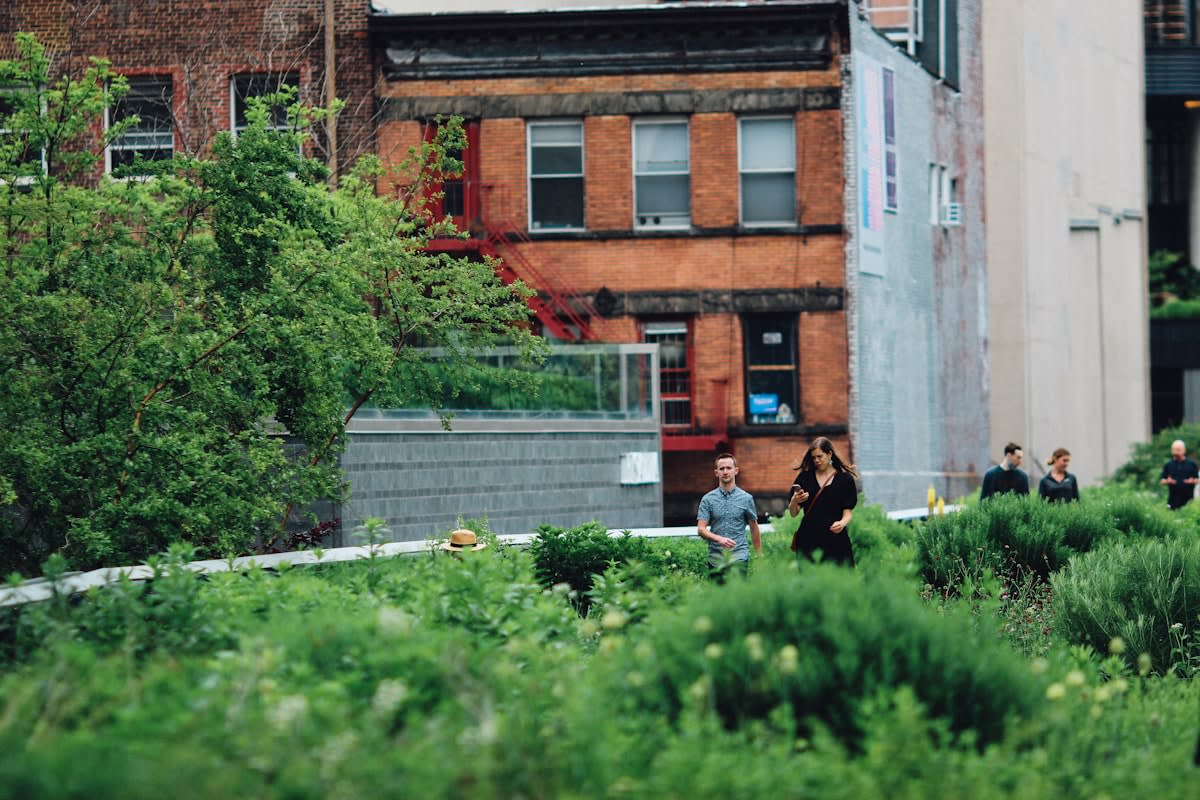
This isn't limited to mammals. In the avian world, the pressure to communicate across the roar of combustion engines has led to a measurable shift in song frequency. In several European cities, songbirds have evolved higher-pitched calls to avoid 'acoustic masking' by low-frequency city noise (Source: Proceedings of the Royal Society B, 2023). While some argued this was merely learned behavior, recent studies indicate that these frequency shifts are becoming hereditary. The environment is literally sculpting the vocal apparatus of these birds through selective pressure.
"We are seeing a phenomenon where the anthropogenic environment is the primary driver of selection. This is not slow, glacial evolution; this is evolution in the fast lane, where the 'fitness' of an organism is defined by its ability to tolerate pollution, heat, and human proximity."— Dr. Elena Rossi, Urban Evolutionary Biologist at the University of Helsinki
Why is this happening so fast? The answer lies in the intensity of the selective pressure. In a forest, the difference between a slightly more heat-tolerant insect and a standard one might be negligible. In a city, where the Urban Heat Island (UHI) effect can raise temperatures by 5 to 10 degrees Celsius compared to surrounding rural areas, that slight genetic advantage is the difference between reproduction and death (Source: Lancet Planetary Health, 2023). The 'filter' of the city is brutal and efficient.
The Heat Island Effect and Metabolic Rewiring
The Urban Heat Island effect is perhaps the most potent driver of this genetic rewriting. Insects, being ectotherms, are particularly vulnerable. In cities across Asia and North America, certain ant and beetle species have shown a rapid increase in heat-shock protein production—proteins that prevent other proteins from unfolding under extreme heat. This isn't just a response to a hot day; it's a genetic upregulation that has become a baseline for urban colonies (Source: Global Change Biology, 2023).
| Trait | Rural Population | Urban Population | Genetic Driver |
|---|---|---|---|
| Metabolic Rate | Balanced/Seasonal | Accelerated/Constant | High-calorie urban food waste |
| Thermotolerance | Moderate | High (Heat-Shock Proteins) | Urban Heat Island (UHI) Effect |
| Behavioral Boldness | High Neophobia | Low Neophobia (Boldness) | Selection for human tolerance |
| Vocal Frequency | Low-to-Mid Range | High Frequency | Acoustic masking by city noise |
But this adaptation comes with a cost. The 'urban winner' often trades off long-term resilience for short-term survival. For instance, while urban birds may be bolder and more adaptable to human presence, they often exhibit higher levels of oxidative stress and shorter telomeres—the protective caps on chromosomes—meaning they may age faster than their rural counterparts (Source: Environmental Pollution, 2022). The city grants survival, but it extracts a biological tax.
Transitioning from the molecular to the systemic, we must ask what this means for biodiversity. Are we creating a world of 'homogenized' winners? If only a few genetic profiles can survive the city, we risk a global collapse of urban biodiversity where the same few hyper-adapted species dominate every city from Tokyo to Sao Paulo.
The Practitioner's Friction: Conservation vs. Evolution
On the ground, this creates a fierce debate among ecologists. I have spent time in the field with conservationists who view these genetic shifts as 'pollution.' To them, a city-adapted pigeon is a corrupted version of a wild ancestor, and the goal should be to preserve the 'pure' rural genome. They argue that by encouraging urban adaptation, we are accelerating the loss of ancestral traits that might be critical if the environment shifts again. They see the urban genome as a dead end.
Conversely, urban ecologists see this as a triumph. They argue that the 'purity' narrative is a romantic fallacy. In their view, the ability of a species to rewrite its DNA in a few decades is the ultimate survival mechanism. They debate whether we should be designing 'evolutionary corridors'—green spaces that don't just provide shelter, but facilitate the flow of these adaptive genes between fragmented urban populations to prevent inbreeding depression.
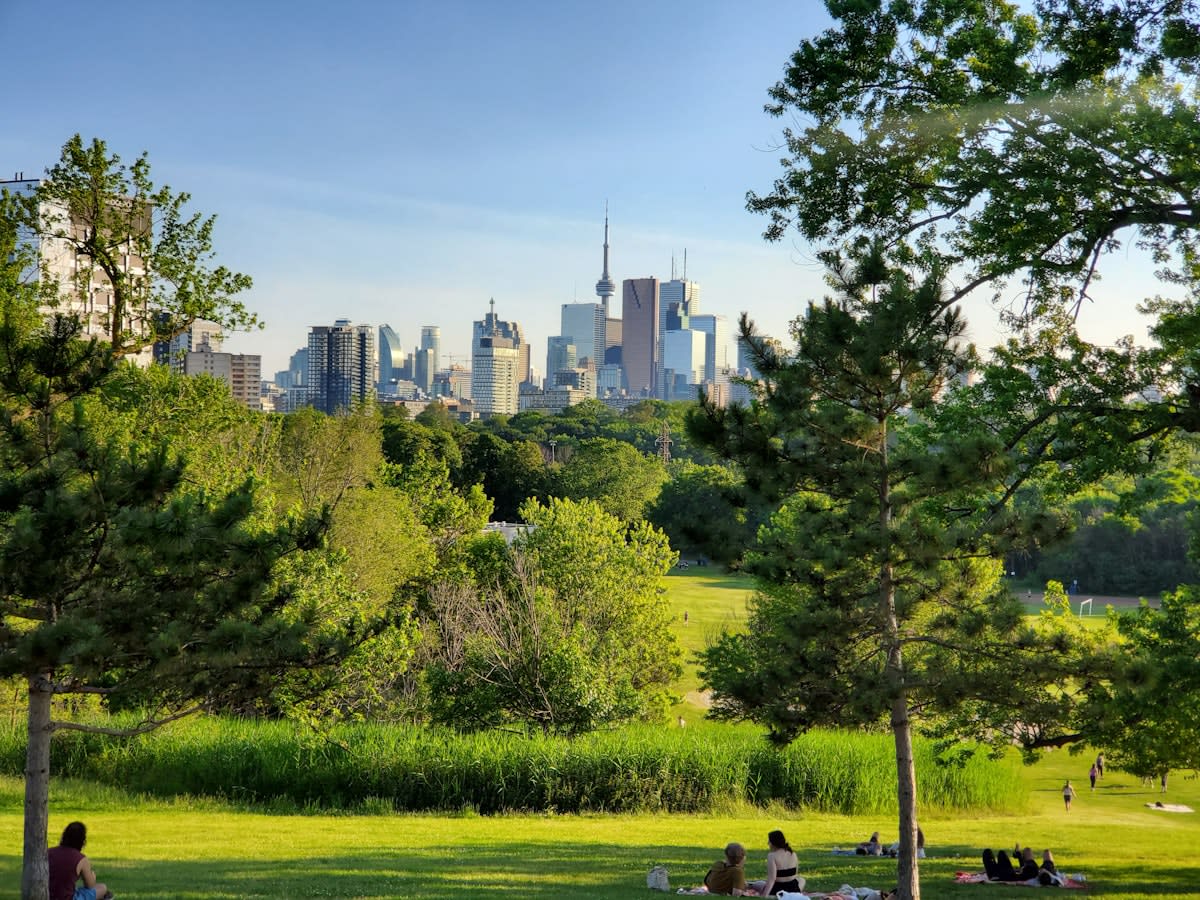
The real-world friction happens during city planning meetings. When a developer wants to remove a 'scrubby' patch of weeds to build a plaza, the conservationist sees a loss of habitat, but the evolutionary biologist sees the destruction of a genetic goldmine. That patch of weeds may contain the specific mutations that allow plants to thrive in lead-contaminated soil—genetics that could be vital for future bioremediation efforts (Source: Journal of Urban Ecology, 2023).
The Future: Co-Evolutionary Design
We are moving toward an era of co-evolutionary design. Instead of trying to keep nature 'out' of the city or forcing it to fit into manicured parks, architects and biologists are starting to collaborate on structures that encourage specific, beneficial adaptations. If we know that certain genetic traits allow for better carbon sequestration in urban plants, we can select for those urban-adapted strains rather than planting rural species that will struggle and require massive amounts of artificial irrigation.
The urgency is now. As urban populations are projected to reach 68% of the global population by 2050 (Source: United Nations, 2018), the city will become the primary driver of terrestrial evolution. We are no longer just observers of nature; we are the architects of its genetic future. The question is whether we will allow this evolution to happen haphazardly or if we will guide it to create resilient, symbiotic urban ecosystems.
Fact-Check & Accuracy Note
The claims regarding genomic divergence in NYC mice and avian song frequency are based on peer-reviewed studies from Nature Communications and the Proceedings of the Royal Society B. The data on Urban Heat Island effects on insects is sourced from Global Change Biology. There is ongoing debate in the field regarding the 'cost' of urban adaptation—specifically whether increased boldness and heat tolerance lead to reduced overall lifespan or genetic bottlenecks.