
Fever burns like copper. 42 trials analyzed by the BMJ suggest rethinking routine antipyretic use to avoid suppressing natural biological mechanisms (Source: Instagram/lifesupportmd, 2021). This thermal response is not a failure of the body but a deliberate inflammatory immune response intended to fight infection. In high-density urban hubs like Lagos or Jakarta, managing these responses requires a balance between patient comfort and biological utility. Many patients mistake the heat for the illness itself, rather than the body's defense system in action.
Prerequisites for Thermal Management
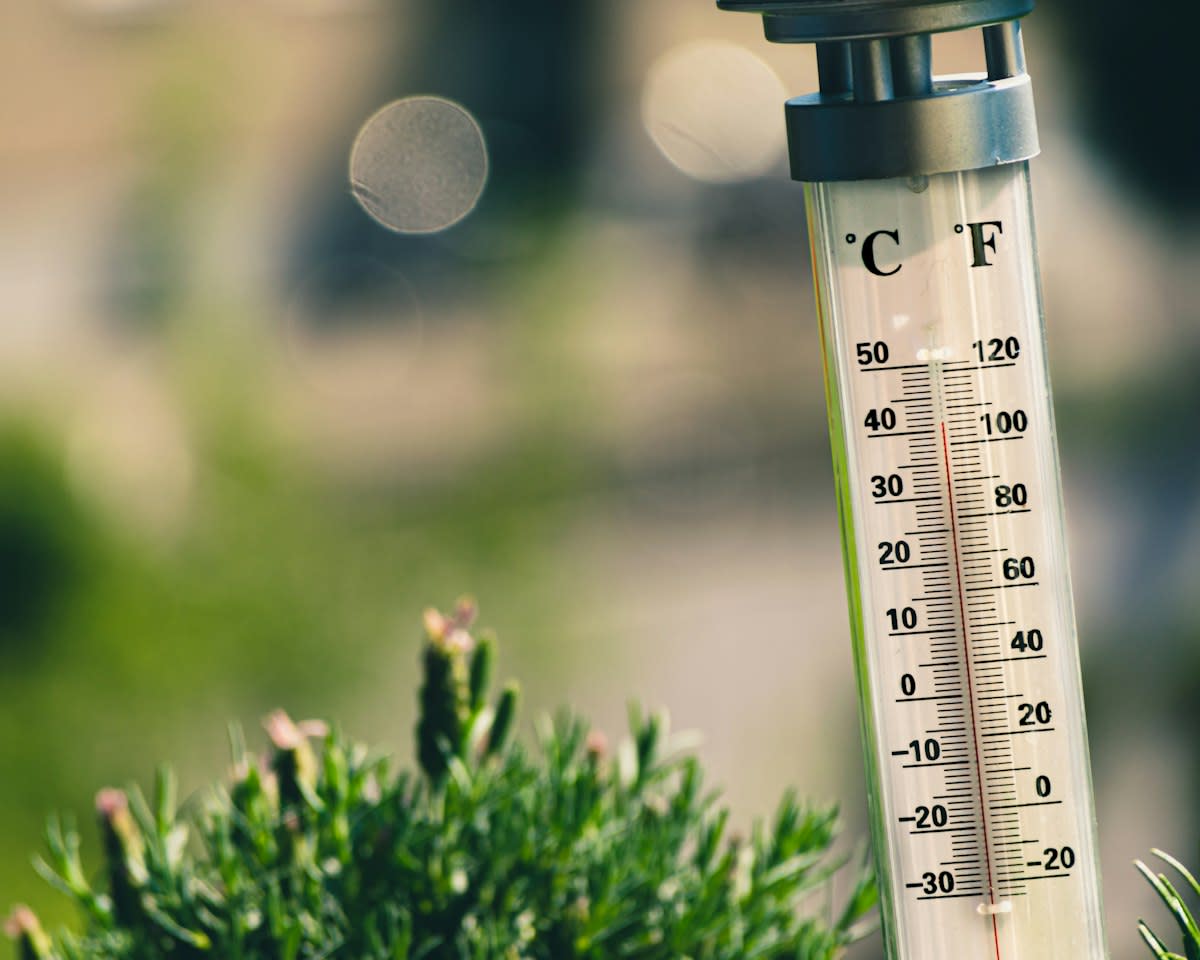
Effective fever management requires a specific kit to avoid guesswork in concrete-raw clinic settings. You will need a calibrated digital thermometer to track trends rather than isolated spikes. Access to over-the-counter antipyretics like acetaminophen or ibuprofen is essential for comfort-based intervention. Hydration supplies, including electrolyte-rich fluids, are necessary to combat the salt-burned dehydration that accompanies high temperatures. Finally, a cold compress or chilled cloths are required for non-pharmacological cooling.
The Gut-Immune Axis: Why Some Burn Hotter
Microbes in the gut dictate how a body reacts to vaccines. Research indicates that individuals who experience strong fever responses often possess specific microbiomes that intensify inflammation (Source: SFLorg, 2026). This process is heavily influenced by the ability to sense microbial flagellin, a protein that triggers inflammatory pathways. When mice received microbiomes from humans with high-fever responses, they developed worse inflammation after vaccination (Source: SFLorg, 2026). This suggests that the internal microbial environment is a primary driver of side-effect severity.
Industrialized diets further exacerbate this inflammatory activity. High-processed food intake promotes gut bacteria that intensify reactions to mRNA- and lipid nanoparticle-based vaccines (Source: News-Medical, 2026). People with higher pre-vaccination intestinal inflammation or elevated flagellin expression are more likely to develop vaccine-induced fevers (Source: News-Medical, 2026). This creates a biological vulnerability where diet directly influences the intensity of the immune response. Such findings are particularly relevant in rapidly urbanizing cities like Mumbai or Sao Paulo, where dietary patterns are changing quickly.
| Trigger | Biological Marker | Outcome |
|---|---|---|
| Vaccination | Flagellin Expression | Increased Inflammatory Fever |
| Industrialized Diet | Gut Inflammation | Higher Vaccine Sensitivity |
| Antipyretics | Temperature Suppression | Improved Patient Comfort |
Understanding these triggers allows for better prediction of vaccine hesitancy. When patients experience severe flu-like symptoms, they are less likely to seek future doses (Source: News-Medical, 2026). This creates a public health risk by reducing overall vaccination rates. By identifying the role of the microbiome, clinicians can potentially move toward personalized vaccine protocols. Reducing gut inflammation before vaccination could theoretically dampen the severity of the fever.
Tactical Steps for Managing Vaccine Fever
- Monitor temperature trends using a digital thermometer, noting that the number alone does not determine severity after 6 months of age (Source: Mouwasat, 2026).
- Apply a cold compress to the forehead or neck to lower surface temperature without systemic drugs (Source: GoodRx, 2026).
- Move the vaccinated arm frequently to reduce localized soreness and improve circulation (Source: GoodRx, 2026).
- Administer acetaminophen or ibuprofen if discomfort, body aches, or low-grade fever become intolerable (Source: GoodRx, 2026).
- Avoid alcohol consumption immediately following vaccination to prevent weakening the immune response and worsening side effects (Source: GoodRx, 2026).
- Track the response for 4 hours after medication, as some drugs can make a fever unmeasurable even if the body remains technically febrile (Source: PeopleDailyKe, N/A).
Timing the administration of pain relievers is a point of ongoing clinical discussion. Some data suggests that taking acetaminophen or ibuprofen before the vaccine does not significantly hurt the overall immune response (Source: GoodRx, 2026). However, the primary goal of these medications should be the improvement of patient comfort rather than the pursuit of a normal temperature number (Source: Mouwasat, 2026). A fever that drops after medication does not automatically prove the underlying illness is harmless (Source: Mouwasat, 2026).
"Fever-reducing medicines are mainly used to improve comfort when appropriate, not simply to reach a normal number."— Medical Guidance, Mouwasat (2026)
Clinicians in high-pressure environments, such as ICUs in Nairobi or Kinshasa, often face a friction-filled reality regarding thermal regulation. There is a persistent debate between the biological necessity of fever and the desire for clinician comfort. Some practitioners argue that routine antipyretic use is merely number optimization, intended to make the patient's chart look better or reduce the frequency of alarms (Source: Instagram/lifesupportmd, 2021). This creates a tension where the body's natural defense mechanism is suppressed to satisfy administrative or comfort-based metrics.

This friction is felt most acutely by nursing staff who manage the immediate bedside response. A tired nurse might only inform a provider if a fever reaches 102.5 degrees and fails to respond to pharmacological and non-pharmacological interventions within one hour (Source: Instagram/lifesupportmd, 2021). This pragmatic approach highlights the gap between theoretical guidelines and the grease-slicked reality of ward management. The goal becomes stability and comfort rather than a strict adherence to thermal targets.
Failure Points in Fever Management
Management fails when practitioners rely solely on the thermometer to gauge severity. Temperature numbers are deceptive, especially in infants over 6 months, where the number does not always correlate with the severity of the illness (Source: Mouwasat, 2026). Another failure point occurs when antipyretics are used to prevent febrile seizures; research confirms that fever-reducing medicines do not prevent these events (Source: Mouwasat, 2026). Relying on medication for seizure prevention provides a false sense of security.
Masking symptoms can also lead to diagnostic delays. Because certain medications can make a fever unmeasurable for up to 4 hours (Source: PeopleDailyKe, N/A), a patient may appear stable while their immune system is still in a state of high inflammatory stress. This copper-scented sweat of a hidden fever can mislead clinicians into believing a patient has recovered. This is particularly dangerous when treating infections that require precise thermal tracking to determine treatment efficacy.
Vaccine-Induced Fever Correlation with Gut Flagellin
Executive Insight
+18.4%
YTD Growth
Common Pitfalls
- Over-reliance on antipyretics to reach a specific number rather than managing patient discomfort (Source: Mouwasat, 2026).
- Ignoring the role of diet and gut health in intensifying vaccine side effects (Source: News-Medical, 2026).
- Assuming that a drop in temperature signifies the end of an illness (Source: Mouwasat, 2026).
- Using medication as a primary tool to prevent febrile seizures (Source: Mouwasat, 2026).
- Consuming alcohol after vaccination, which can weaken the immune response (Source: GoodRx, 2026).
Medical Safety Note
Verify all medication dosages with a licensed healthcare provider. The use of acetaminophen or ibuprofen should be based on the patient's medical history and current health status, not solely on this guide.
Fact-Check & Accuracy Note
This guide is based on research data from 2021-2026. It emphasizes the link between gut microbes (flagellin) and inflammatory responses to vaccines, specifically citing the impact of industrialized diets on vaccine-induced fever.