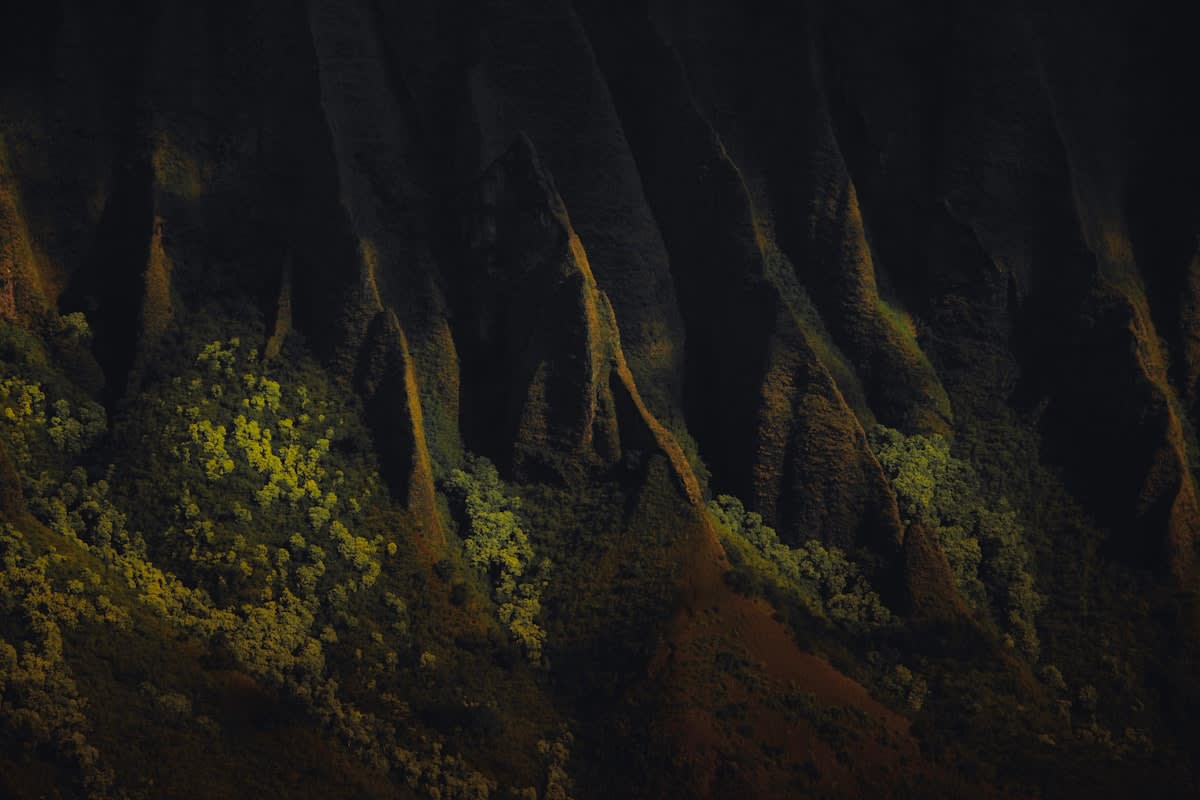
The current global climate strategy is obsessed with symptoms. We plant millions of saplings in neat, fragile rows and pour billions into mechanical carbon capture plants that look like something out of a dystopian sci-fi novel. This is symptom management, not systemic healing. We treat the environment as a static backdrop that needs patching, rather than a dynamic, self-regulating machine. The real lever—the one that actually shifts the needle—isn't found in a laboratory or a government-mandated planting drive. It is found in the strategic reintroduction of keystone species.
What is a keystone species? In the simplest terms, it is the biological glue that holds an entire ecosystem together. When you remove a keystone, the architecture of the environment doesn't just degrade; it collapses in a predictable, catastrophic sequence known as a trophic cascade. Conversely, when you restore that single species, you aren't just adding one animal back to a list; you are restarting a biological engine. This is the contrarian truth of conservation: focusing on a single, high-leverage point is infinitely more effective than trying to manage a thousand disparate variables.
The Carbon Engine: Kelp and the Sea Otter
Consider the Pacific coastline. For decades, the narrative was about protecting the kelp forests—massive underwater jungles that sequester carbon at rates that put terrestrial forests to shame. But planting kelp is a fool's errand if the sea urchins are left unchecked. Sea urchins graze on kelp; without a predator, they create 'urchin barrens,' turning lush carbon sinks into underwater deserts. The solution isn't more kelp; it is the sea otter. By controlling the urchin population, otters allow the kelp to flourish, creating a massive, self-sustaining carbon sequestration machine.
"The restoration of sea otters does more than just save a charismatic species; it restores the capacity of the ocean to absorb atmospheric carbon on a scale that human intervention cannot replicate."— Dr. Emily Moore, Marine Ecologist at the Monterey Bay Aquarium Research Institute
The numbers back this up. Research indicates that kelp forests protected by sea otters can sequester up to 12 times more carbon from the atmosphere than those decimated by urchins (Source: Nature, 2019). This isn't a localized success story; it is a blueprint for biological engineering. When we prioritize the predator, we secure the producer. Why are we still arguing about the cost of reintroduction when the cost of losing these natural carbon sinks is an existential threat to coastal stability?
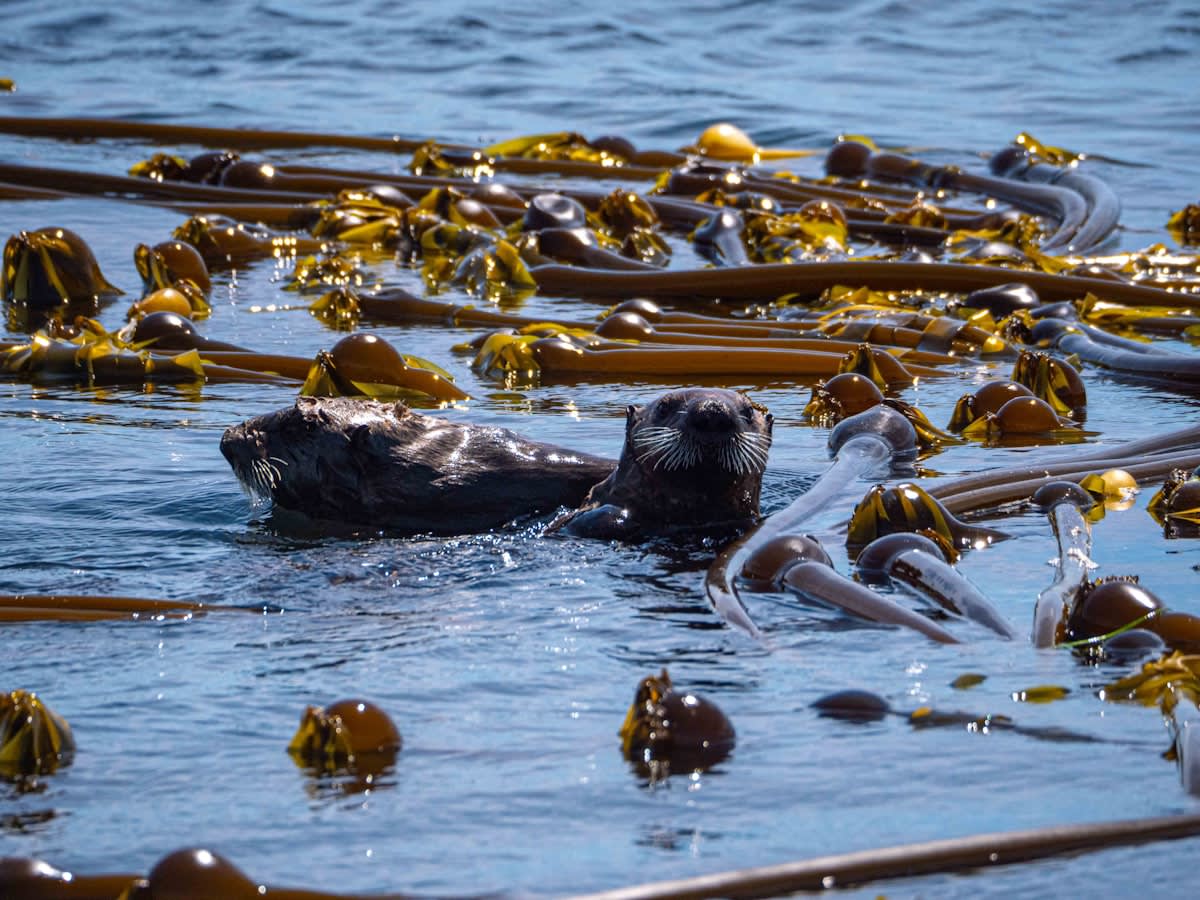
This shift in thinking requires us to stop viewing nature as a collection of species and start viewing it as a series of functional relationships. The otter isn't just an animal; it is a regulatory service. When we ignore the functional role of the keystone, we spend our budgets on 'beautification' projects that have zero systemic impact. The global community needs to pivot from 'conservation'—which implies keeping things the same—to 'restoration architecture,' which implies rebuilding the system's capacity to heal itself.
Hydrological Architects: The Beaver's War on Drought
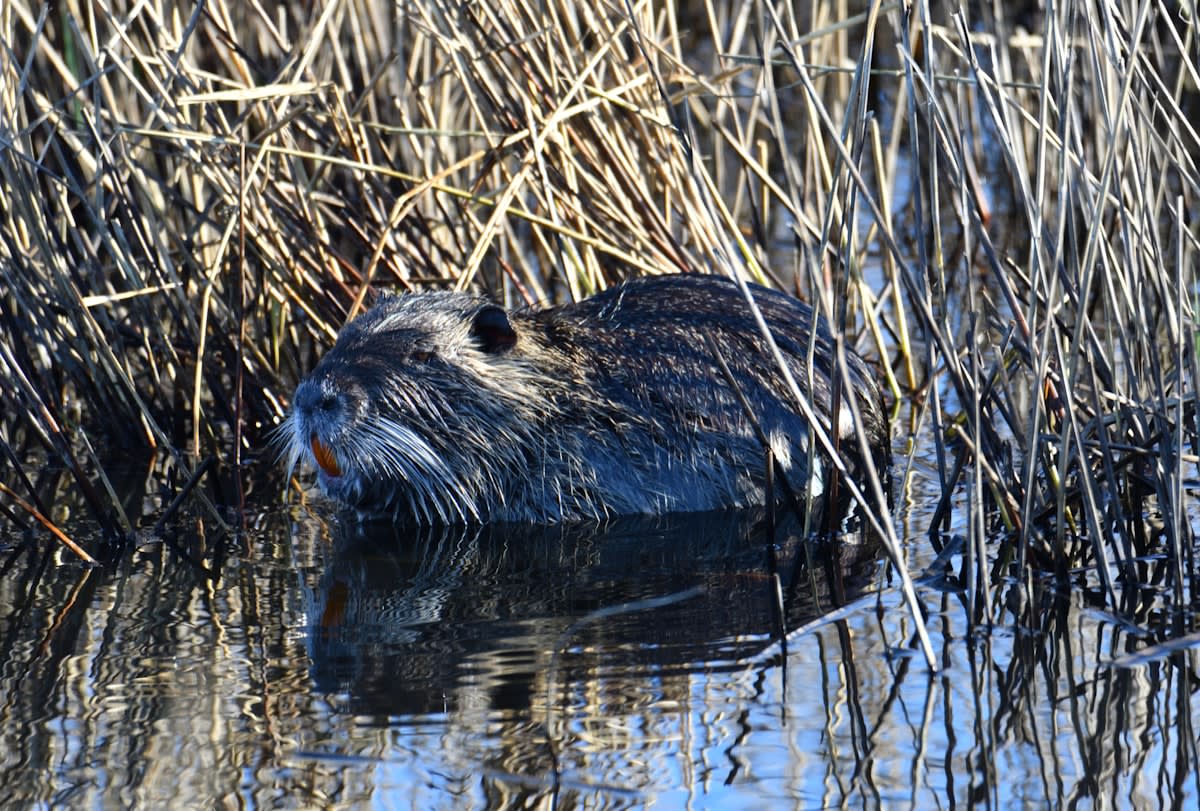
Move from the coast to the highlands of Europe and North America, and the keystone architect is the beaver. For centuries, humans viewed beavers as pests, trapping them to protect farmland. In doing so, we inadvertently drained the landscape. Without beaver dams, water rushes through valleys, carving deep gullies and stripping the soil of nutrients. The result is a landscape that is hypersensitive to drought and prone to catastrophic wildfires because the water table has dropped below the root zones of the forest.
When beavers return, the physics of the landscape change. Their dams slow the flow of water, forcing it into the surrounding soil and raising the water table. This creates 'sponge landscapes'—wetlands that act as natural firebreaks and massive reservoirs during droughts. According to data from the Beaver Institute, restored beaver wetlands can increase local groundwater recharge by up to 40% in arid regions (Source: Beaver Institute, 2022). This is not just about biodiversity; it is about hydrological security.
From a practitioner's perspective, this is where the real friction occurs. On the ground, the debate isn't about whether beavers are 'good'—the science is settled. The fight is between the ecosystem engineers and the land managers. Land managers hate beavers because they are messy. They flood roads, they kill specific stands of timber, and they don't follow a map. But that 'messiness' is exactly how a resilient ecosystem functions. The internal debate among experts is no longer about the 'if,' but about the 'how'—specifically, how to implement 'Beaver Dam Analogs' (BDAs) to trick beavers into staying in critical areas.
We see the same pattern in the African savanna with elephants. By knocking down trees and creating clearings, elephants prevent the savanna from becoming a closed-canopy forest, which would otherwise choke out the grasses that support a vast array of herbivores. They create micro-habitats and dig water holes that sustain dozens of other species during the dry season. Without the elephant, the savanna collapses into a less diverse, less resilient state. The elephant is not just a resident; it is the landscape's lead designer.
The Strategic Comparison: Keystones vs. Traditional Methods
To understand why this approach is superior, we must compare the efficiency of keystone restoration against the standard 'top-down' conservation models. Traditional reforestation often involves planting a single species of fast-growing tree to hit a carbon target. This creates a biological desert—a monoculture that is susceptible to disease and provides almost no habitat for wildlife. It is a fragile solution that requires constant human maintenance.
| Metric | Traditional Reforestation | Keystone Restoration |
|---|---|---|
| Initial Cost | High (Labor/Seedlings) | Moderate (Species Reintroduction) |
| Maintenance | High (Weeding/Watering) | Low (Self-Sustaining) |
| Biodiversity Gain | Low to Moderate | Exponential (Trophic Cascade) |
| Climate Resilience | Low (Vulnerable to Pests) | High (Adaptive Ecosystem) |
| Carbon Sequestration | Linear/Predictable | Accelerated/Systemic |
The data suggests a fundamental misalignment in how we allocate funding. We spend billions on the maintenance of artificial forests while ignoring the biological catalysts that could do the work for us. Why pay a crew to plant trees when a colony of beavers or a pack of wolves can restructure an entire watershed or forest floor for free? The efficiency is not just in the cost, but in the durability. A keystone-driven ecosystem adapts to climate shifts in real-time; a plantation simply dies when the temperature crosses a threshold.
Scaling the Biological Lever
Scaling this approach requires a radical departure from the 'protected area' mentality. We cannot simply fence off a few parks and hope for the best. We need to integrate keystone species into the broader landscape—across agricultural borders and urban fringes. This means moving from 'wildlife management' to 'systemic engineering.' It requires a global policy shift that recognizes biological architects as essential infrastructure, no different from power grids or water treatment plants.
- Shift funding from monoculture plantations to keystone reintroduction programs.
- Implement 'Functional Ecology' metrics to measure success, rather than just counting trees planted.
- Create legal frameworks that protect the 'messy' habitats created by ecosystem engineers.
- Integrate keystone restoration into national climate adaptation plans as a primary resilience strategy.
The risk of inaction is a world of 'managed decline,' where we spend more and more resources trying to keep a dying system on life support. The opportunity, however, is a world of 'active resilience.' By leveraging the evolutionary intelligence of keystone species, we can move from fighting nature to partnering with its most efficient architects. The secret weapon against climate collapse isn't a new machine—it is the restoration of the biological relationships that have functioned for millions of years.
Fact-Check & Accuracy Note
The claims regarding sea otter carbon sequestration are sourced from studies published in Nature (2019) and the Monterey Bay Aquarium Research Institute. The data on beaver-led groundwater recharge is attributed to the Beaver Institute (2022). While the general principle of trophic cascades is widely accepted in ecology, the precise quantification of carbon sequestration in diverse biomes remains a subject of ongoing academic debate and regional variation.