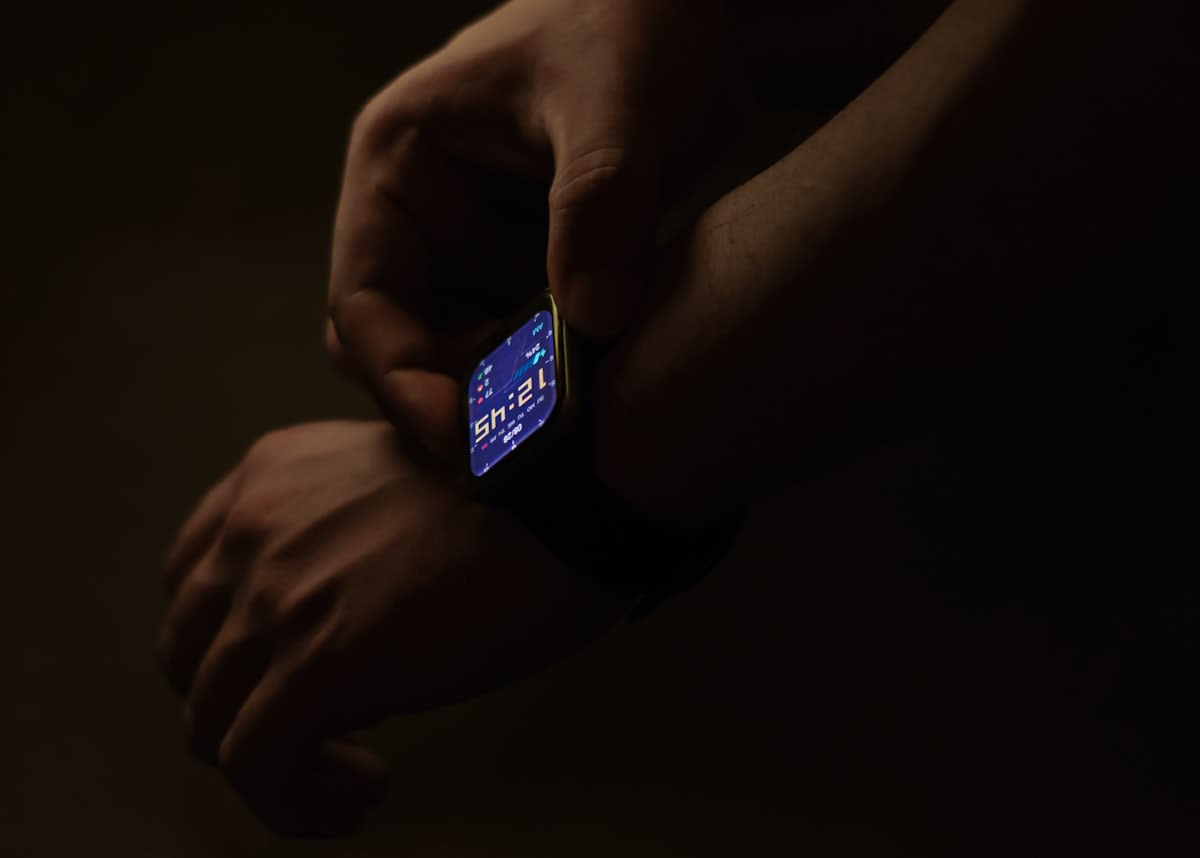
The conversation around metabolic health has fundamentally shifted this month. For decades, we viewed glucose monitoring as a clinical necessity for the sick, a tether to a chronic condition. But as we move through August 2026, that narrative is dead. We are witnessing the rise of metabolic tuning, where the healthy adult uses medical-grade hardware not to survive, but to optimize. Why settle for a baseline of health when you can engineer a peak?
This is not a localized trend confined to a few biohacking hubs in Silicon Valley or London. It is a global migration toward data-driven wellness. From the high-performance corridors of Tokyo to the wellness clinics of Texas, the objective is the same: granular control over the body's internal chemistry. The shift is moving away from reactive medicine and toward a proactive, personalized architecture of health.
The Democratization of the Glucose Monitor
Continuous Glucose Monitors (CGMs) have broken out of the diabetic silo. The central question dominating the discourse in 2026 is whether these devices are genuine weight-loss tools or merely expensive hype. The reality is more nuanced. By providing real-time feedback on how specific foods affect blood sugar, CGMs allow non-diabetics to map their unique metabolic responses, turning the act of eating into a precise experiment in energy management.
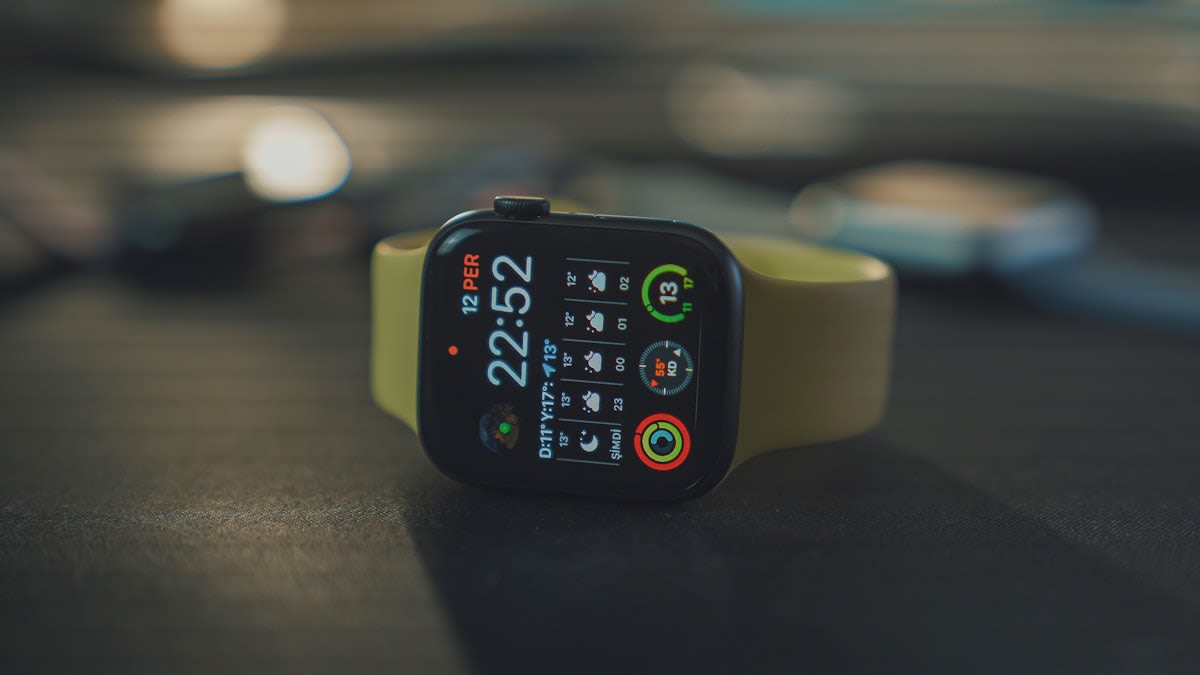
The financial scale of this shift is staggering. Recent market research identifies a massive $18.85 billion opportunity within the Continuous Glucose Monitoring market, with forecasts extending through 2035. This isn't just about selling more sensors; it is about the creation of an entire ecosystem of metabolic data. We are seeing the birth of a new industry where the primary product is not the device, but the insight derived from the data stream.
CGM Market Valuation Growth
Executive Insight
+18.4%
YTD Growth
This explosion in market value reflects a deeper psychological change in the global consumer. People no longer wait for a diagnosis to take action. They are treating their metabolism as a tunable engine, adjusting fuel and timing to avoid the crashes and spikes that traditionally defined the workday.
But glucose is only one piece of the metabolic puzzle. To truly tune the system, practitioners are now looking at the hormonal levers that govern how that glucose is processed.
The Hormonal Layer: Bioidenticals vs. Synthetics
Precision metabolic tuning requires an understanding of hormone balance. Bioidentical hormone replacement therapy (HRT) has emerged as a critical tool for those seeking to improve their quality of life. Unlike the blunt instruments of the past, bioidentical options aim to mimic the body's natural chemistry, reducing the friction between the treatment and the patient's internal biology.
"Personalized hormone healthcare isn't just about feeling better; it is about restoring the physiological equilibrium necessary for metabolic efficiency."— Industry Expert on Hormone Healthcare
The danger lies in the reliance on synthetic options. Synthetic hormones often force the liver and kidneys to process unfamiliar chemicals, a process that can stress the metabolism and create unpredictable interactions. When the goal is tuning for health, introducing synthetic stressors is counterproductive. The trend is clearly swinging toward bioidentical solutions that respect the body's existing metabolic pathways.
This hormonal precision is particularly vital for those in midlife, where metabolic flexibility often begins to decline. The intersection of glucose monitoring and hormone optimization creates a comprehensive map of the body's resilience.
The Midlife Strategy: High-Impact Interventions
We are seeing a surge in personalized interventions specifically designed for midlife clients. Organizations like the Texas Academy of Nutrition and Dietetics are focusing on optimizing metabolic health through targeted, high-impact strategies. This isn't about generic dieting; it is about delivering interventions that account for the specific hormonal and metabolic shifts that occur with age.
| Approach | Standard Health Care | Metabolic Tuning |
|---|---|---|
| Glucose Monitoring | Reactive (Diabetic only) | Proactive (Non-diabetic tuning) |
| Hormone Therapy | Synthetic/General | Bioidentical/Personalized |
| Intervention | General Guidelines | High-Impact Personalized |
| Goal | Disease Absence | Metabolic Optimization |
The brilliance of this approach lies in its specificity. By combining CGM data with hormone optimization, a midlife adult can identify exactly which stressors—be it a specific carbohydrate or a hormonal dip—are degrading their performance. This transforms health from a guessing game into a manageable data set.
Is this merely a luxury for the wealthy? While the hardware has a cost, the systemic shift toward metabolic resilience is becoming a global priority. The goal is to extend the period of high-functioning adulthood by preventing the metabolic decay that usually characterizes the midlife transition.
This movement represents a broader adaptation to the modern environment. Our ancestors didn't have to manage constant glucose availability or endocrine disruptors. We do. Metabolic tuning is the necessary evolutionary response to a world that is biologically mismatched with our physiology.
The Bottom Line
The convergence of $18.85 billion in CGM market growth and the rise of bioidentical HRT suggests that the future of health is not in the pharmacy, but in the data stream.
As we look toward 2035, the integration of these tools will likely become seamless. We are moving toward a reality where your nutrition, your hormones, and your glucose levels are tuned in a continuous feedback loop. The 'healthy adult' of the future will not be defined by the absence of disease, but by the precision of their metabolic tuning.