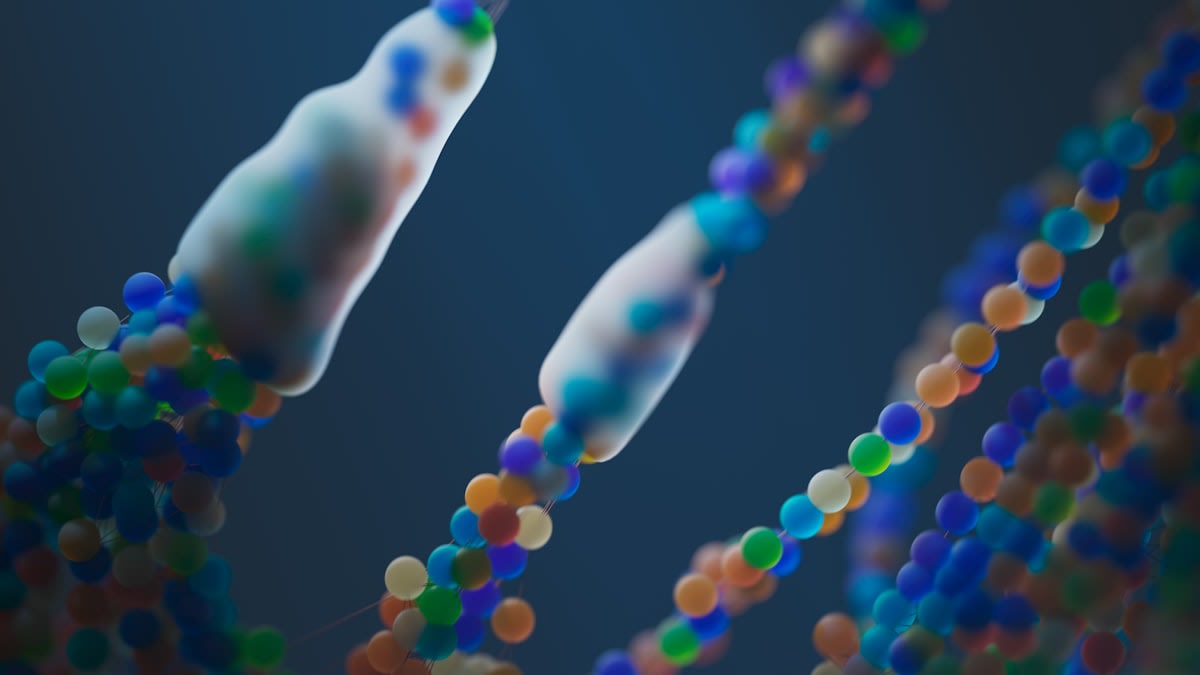
The calendar is a lie. For decades, we relied on chronological age to predict health outcomes, but a surge of data this month reveals that our internal biological clocks are drifting. We are seeing a divergence where the body's molecular state no longer matches the date of birth, and the consequences are lethal.
The Proteomic Warning System
A pan-European study published in Nature Aging has turned blood protein patterns into a predictive weapon. By analyzing proteomic age clocks, researchers can now flag risks of chronic disease and death years before a traditional diagnosis would occur. This isn't about longevity hype; it is about hard mortality data.
The Mortality Delta
Each additional year of the global age gap—the difference between your biological and chronological age—is associated with a 13% higher risk of all-cause mortality.
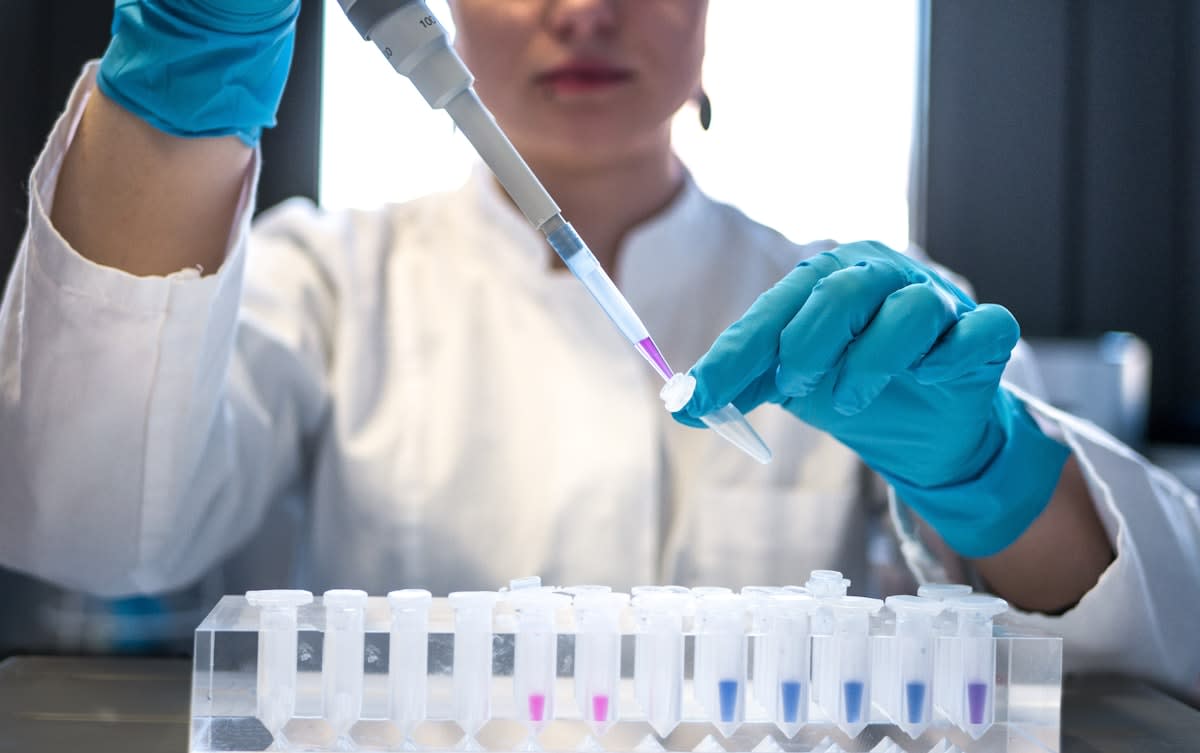
The ripple effect extends to the young. Data from the UK Biobank, involving over 150,000 adults, suggests a disturbing trend: younger generations may be aging faster than their predecessors. A study in Nature Medicine hints that this biological acceleration explains the rise in early-onset lung, gastrointestinal, and uterine cancers.
Trauma as a Molecular Catalyst
We used to treat PTSD as a psychological scar. Now, we see it as a biological accelerant. Research from the Stony Brook WTC Wellness Program on 9/11 responders proves that chronic PTSD triggers molecular changes that age the body's organs and systems decades after the traumatic event.
"This study found that chronic PTSD is associated with long-lasting biological changes throughout the body, affecting multiple organs and biological systems decades after their traumatic exposure."— Benjamin Luft, Director of Stony Brook WTC Wellness Program
While European and American labs quantify the decay of the biological clock, other regions are racing to build the infrastructure required to measure and manipulate these molecules.
The Race for Molecular Sovereignty
India is currently executing a strategic pivot toward self-reliance in molecular biology. The COVID-19 pandemic exposed a critical vulnerability: a heavy dependence on imported enzymes, reagents, and kits. Now, India is transforming its life sciences industry to ensure that the foundation of precision medicine—the reagents—is produced domestically.
- Indigenous manufacturing of molecular biology enzymes to reduce import reliance.
- Expansion of genomic sequencing platforms for precision medicine.
- Scaling of diagnostic breakthroughs to support a massive population base.
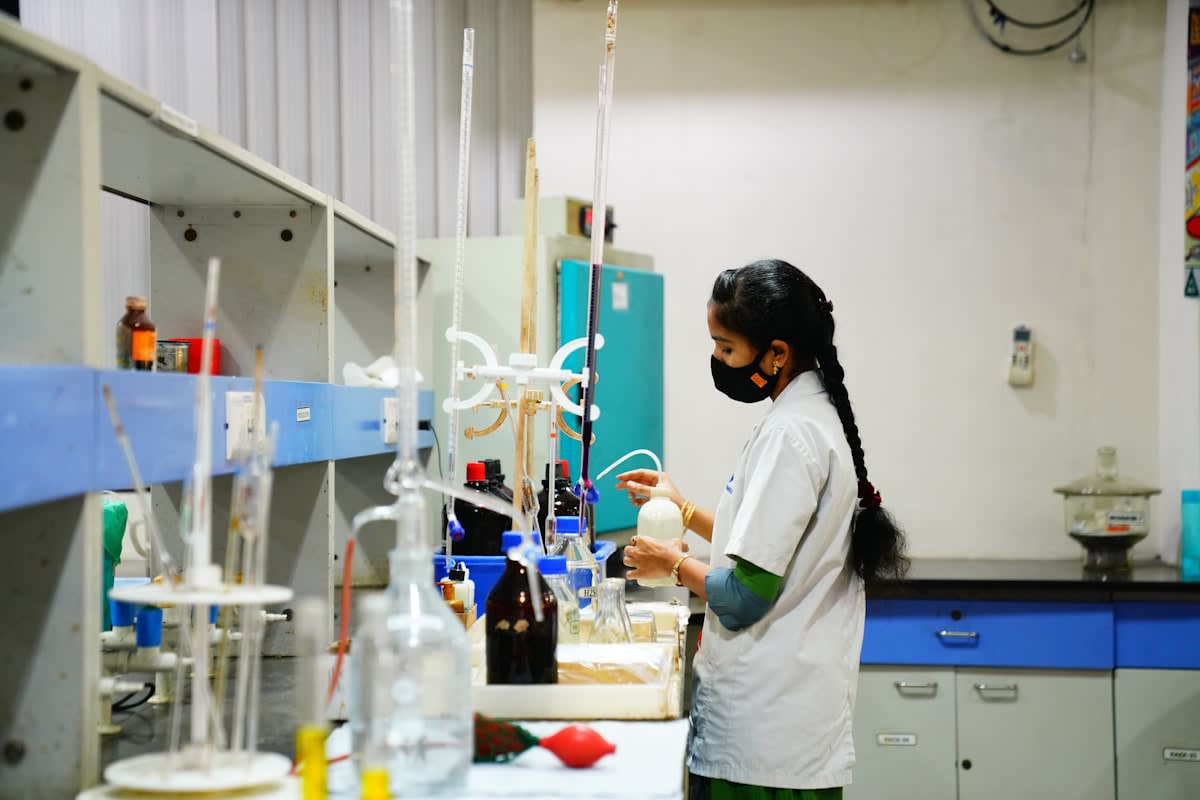
This industrialization of molecular biology creates a stark contrast with the acute crises still unfolding in the Global South, where the molecular threat is not aging, but viral eruption.
Acute vs. Chronic Molecular Threats
In the Democratic Republic of Congo, the urgency is immediate. As of June 29, 2026, confirmed Ebola cases have reached 1,274, resulting in 360 deaths. While the West obsessively tracks the slow clock of biological aging, the DRC is fighting a rapid molecular assault.
| Metric | Biological Aging (Trend) | Ebola Outbreak (Acute) |
|---|---|---|
| Primary Indicator | Blood Protein Patterns | Confirmed Viral Cases |
| Scale of Impact | 150,000+ (UK Biobank Study) | 1,274 Cases (DRC) |
| Critical Outcome | 13% Increase in Mortality Risk | 360 Deaths |
| Strategic Focus | Predictive Diagnostics | Vaccine Deployment |
The convergence of these trends reveals a new global reality. Whether it is Roche launching the Axelios gene sequencer to challenge Illumina's dominance or India building its own reagent factories, the battle for health is no longer fought at the bedside—it is fought in the protein sequence.