
Soil builds human health. 100% of humans require microbial interaction to avoid immune failure. Sterile environments create a vacuum that the body fills with self-attack. Reduced exposure to microorganisms with which humans co-evolved increases allergic and autoimmune risk (Source: Nature Microbiology, 2026). This biological mismatch drives the modern plague of chronic inflammation. Humans are not meant to be clean.
Prerequisites for Microbial Calibration
Biology demands specific inputs during the first thousand days of life. Access to diverse environmental microorganisms is the primary requirement for immune calibration. Parents must identify sources of commensal microbiota that naturally exist in the local environment. Timing is non-negotiable because the window for immune education closes early. Without these inputs, the body fails to recognize the difference between a pathogen and a peanut.
- Access to non-sterile outdoor environments
- Exposure to commensal microbiota in early childhood
- Minimized use of broad-spectrum antibiotics
- Understanding of local environmental pathogens
Microbial exposure during early life has persistent effects on natural killer T cell function (Source: Science, 2012). These cells are the sentinels of the immune system. When they are not trained by dirt, they become erratic. This failure manifests as childhood asthma or lifelong allergies. The process begins even before birth, as the placenta transfers noninfectious and infectious microbial fragments from mother to fetus (Source: Medwin Publishers, 2012).

Pathogens are not always enemies. Certain organisms, including hookworm and Helicobacter pylori, provide immunoregulatory effects that shield the host from autoimmune disease (Source: Nature Microbiology, 2026). This paradox suggests that a completely sterile gut is a liability. In cities like Kinshasa, higher exposure to these environmental agents correlates with different autoimmune profiles than in hyper-sanitized Western hubs. The body needs a fight to learn how to stop fighting itself.
Antibiotics destroy this educational process. Childhood antibiotic exposure is linked to a higher risk of irritable bowel syndrome (IBS) in young adults (Source: News-Medical, 2026). These drugs act as a scorched-earth policy, wiping out both the bad and the good. The result is a microbiome that cannot regulate inflammation. This creates a lifelong vulnerability to gut dysfunction.
The Execution: How to Calibrate
- Prioritize exposure to diverse soil and animals during infancy to calibrate the immune system (Source: Britannica, 2026).
- Limit the use of antibacterial soaps and sterile wipes in the home to maintain commensal microbiota.
- Audit antibiotic prescriptions to prevent the disruption of the developing microbiome and reduce IBS risk (Source: News-Medical, 2026).
- Monitor for epigenetic aging markers, as acute infections like SARS-CoV-2 can accelerate biological age via DNA methylation (Source: Nature Microbiology, 2026).
Calibration is a tightrope walk. Too little exposure leads to allergies; too much acute infection leads to chronic disease. Large cohort studies show increased post-acute risks of diabetes and autoimmunity after SARS-CoV-2 infection (Source: Nature Microbiology, 2026). This proves that while dirt is necessary, severe acute viral loads can trigger biological aging. The goal is low-level, diverse microbial noise, not high-intensity viral storms.
"Our findings suggest that the autoimmune disease risk associated with menopausal hormone therapy may differ by hormone formulation. Although estrogen-only therapy was associated with a modestly higher risk of composite autoimmune disease compared with estrogen-plus-progestogen therapy, the absolute differences were small."— Dr. Xuezhi Daniel Jiang, Professor of Obstetrics
Hormones add another layer of friction. Menopausal hormone therapy can influence autoimmune risk depending on the formulation used (Source: Medical Xpress, 2026). This suggests that the immune system remains plastic and reactive throughout adulthood. The interaction between environmental microbes and internal hormonal shifts determines whether the body stays stable or spirals into autoimmunity.
Practitioners fight over this daily. In the ward, the battle is between the sterile field and the biological need for grit. One doctor demands a bleach-scrubbed room to prevent sepsis; the other warns that we are breeding a generation of allergic failures. This friction is real. It is the clash between the fear of acute death and the reality of chronic decay.
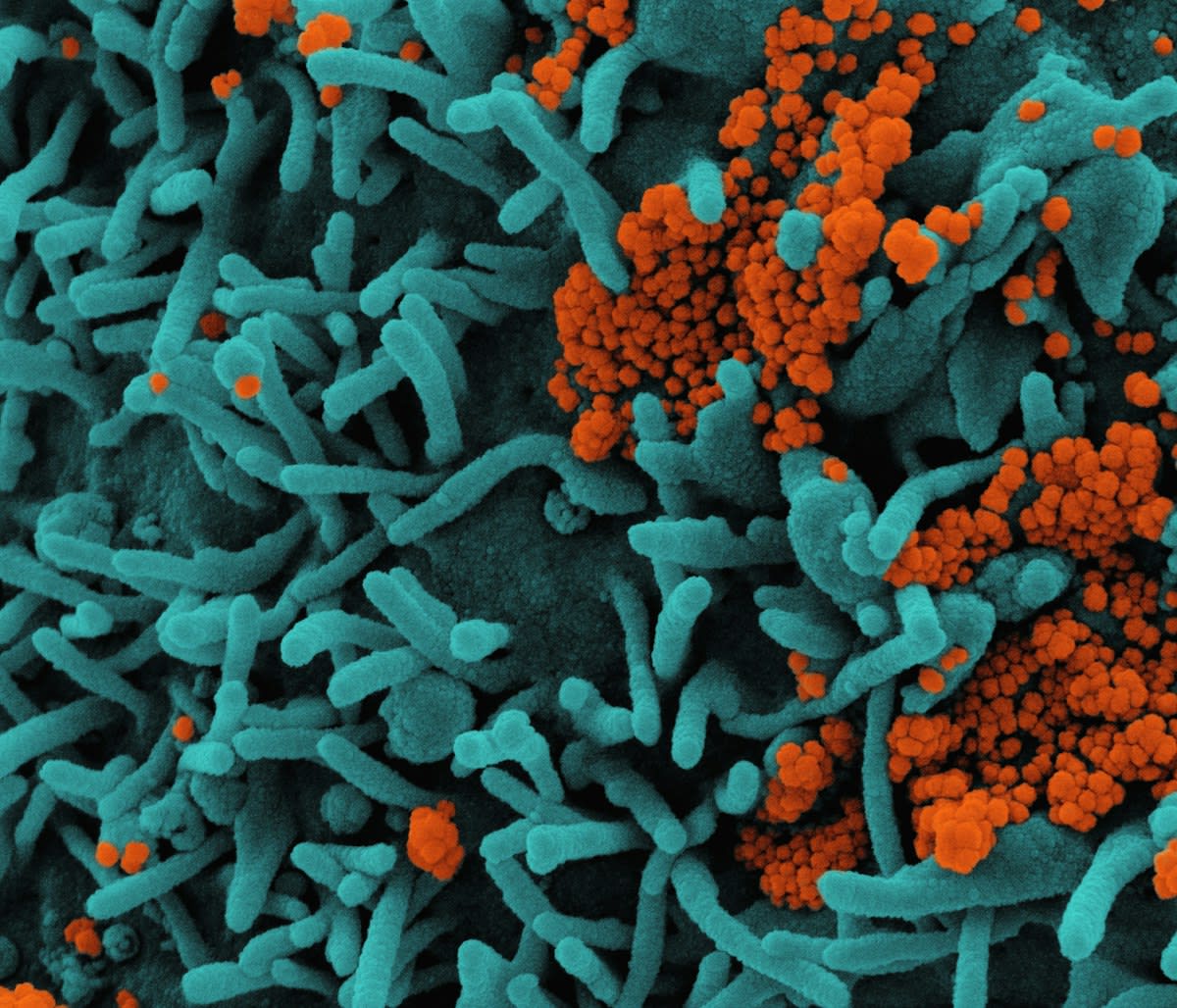
Blastocystis is a prime example of this tension. Its prevalence varies across populations based on sanitation, diet, and environmental exposure (Source: News-Medical, 2026). Transmission occurs through the fecal-oral route, often via contaminated food or water. While seen as a parasite, its presence is a marker of the environmental interaction that the hygiene hypothesis argues we have lost.
Aging is the final frontier of this struggle. DNA methylation-based epigenetic clocks reveal accelerated age in patients after severe COVID-19 (Source: Nature Microbiology, 2026). This means acute infection can push the biological clock forward. We must balance the need for early-life dirt with the need to avoid late-life biological acceleration. The immune system is a ledger of every microbe we have ever met.
Failure Points
Over-sanitization is the most common failure. It creates an immune system that is bored and aggressive. When the body has no external enemies to fight, it turns inward. This results in the spike of autoimmune conditions observed in developed nations. The cost of cleanliness is a broken immune response.
Uncontrolled acute infection is the second failure point. While low-level exposure is good, severe respiratory infections like influenza or RSV increase cardiovascular risk for months (Source: Nature Microbiology, 2026). The goal is not to be sick, but to be exposed. There is a massive difference between playing in the dirt and contracting a severe viral pneumonia.
| Exposure Type | Positive Outcome | Failure Point | Source |
|---|---|---|---|
| Early Childhood Dirt | Calibrated NK T cells | Autoimmune risk if absent | Science, 2012 |
| Low-level Pathogens | Immunoregulation | Acute disease/Sepsis | Nature Micro, 2026 |
| Antibiotic Use | Infection control | Increased IBS risk | News-Medical, 2026 |
| Severe Viral Load | Immune memory | Epigenetic aging | Nature Micro, 2026 |
Fact-Check Note
Fact-Check: The hygiene hypothesis does not suggest that humans should avoid all medicine or vaccines. Rather, it posits that early-life exposure to commensal microbes is necessary for healthy immune development. Acute infections can still drive chronic diseases and accelerate epigenetic aging (Source: Nature Microbiology, 2026).
Editorial Note
Editorial Note: This guide prioritizes raw biological data over sanitized health advice. The tension between sanitation and immunity is a biological reality, not a lifestyle choice.