Bolivia’s own Hachiko: Loyal rooster Martin waits outside hospital years after owner’s death
Source Entity
Latest News: Todays Latest News Headlines from India & World | Hindustan Times | Hindustan Times
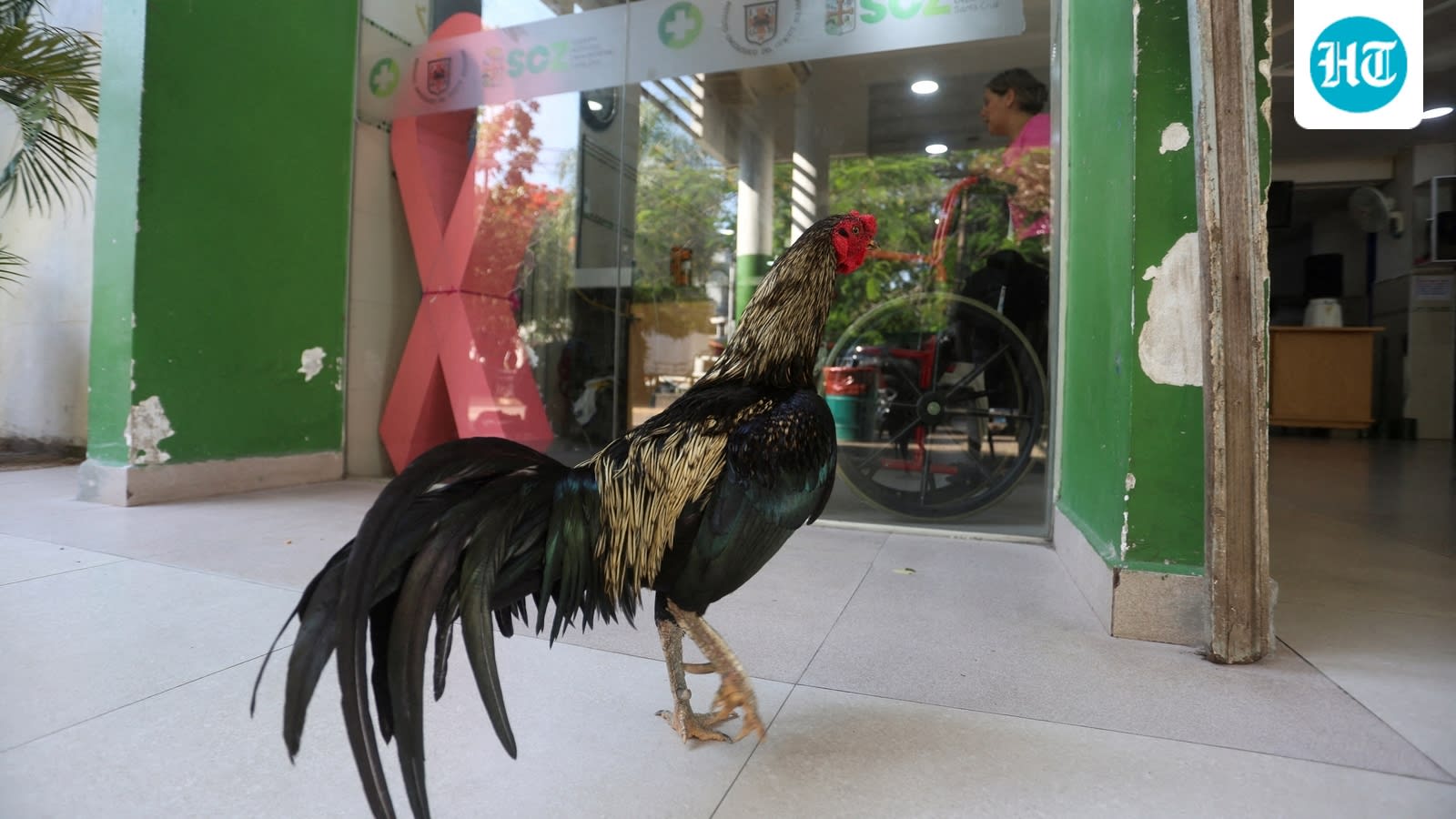
A loyal rooster named Martín has spent eight years living outside the Oncology Institute of Eastern Bolivia in Santa Cruz. The bird arrived with a cancer patient and remained at the facility following his owner's death, mirroring the famous devotion of Hachiko.
A Tale of Unwavering Loyalty
In a poignant story emerging from Santa Cruz, Bolivia, a rooster named Martín has captured hearts by demonstrating a level of devotion rarely seen in the animal kingdom. For eight years, Martín has made the grounds of the Oncology Institute of Eastern Bolivia his permanent home, roosting in nearby trees and patrolling the entrance of the medical facility. His presence serves as a living testament to the profound, often unspoken, bond between humans and their animal companions.
The Origin of a Shared Journey
The story began nearly a decade ago when Martín arrived at the hospital as a young chick, accompanying his owner who was seeking life-saving treatment for cancer. This journey was not merely a trip to a clinic, but a shared experience of vulnerability and dependence. When the patient tragically passed away within the hospital, Martín did not return to his previous life. Instead, he chose to remain at the site of their final moments together, effectively anchoring his existence to the last place he felt connected to his owner.
Parallels to Historical Devotion
The story of Martín is being widely compared to the legendary tale of Hachiko, the Akita dog in Japan who waited for his deceased master at the Shibuya train station for nearly a decade. Much like Hachiko, Martín’s behavior defies conventional biological explanations of survival, as his commitment to a specific location outweighs the instinctual drive to seek new territory or resources. This behavior highlights the complex emotional architecture present in animals and their capacity for long-term attachment.
The Impact on the Hospital Community
For the staff and patients at the Oncology Institute of Eastern Bolivia, Martín has become a fixture of the landscape—a silent, feathered witness to the cycles of hope and grief that define a medical center. His presence provides a unique, albeit bittersweet, comfort to those who encounter him. In an environment often characterized by clinical sterility and emotional pain, the rooster’s consistency offers a strange sense of continuity and loyalty that resonates deeply with the human experience.
Future Trends in Human-Animal Studies
The case of Martín adds to a growing body of anecdotal and scientific evidence suggesting that animals form deep, enduring bonds that persist long after their primary caregiver is gone. As we observe Martín’s continued residency at the hospital, he serves as a reminder of the need for greater empathy in our treatment of animals. His story is a poignant example of how animals can occupy significant roles in our lives, often becoming integral parts of our personal histories and emotional recovery processes.
Concluding Reflections
Ultimately, Martín is more than just a resident of the hospital grounds; he is a symbol of steadfast love. His eight-year vigil at the Oncology Institute remains a powerful narrative of loyalty that transcends species. As he continues to roam the entrance of the clinic, he remains a humble but enduring reminder of the depth of connection that can exist between a human and their animal companion, even in the face of profound loss.
Verification Required?