Tamil Nadu to spend ₹180 crore over five years on human-wildlife conflict mitigation
Source Entity
India Latest News: Top National Headlines Today & Breaking News | The Hindu
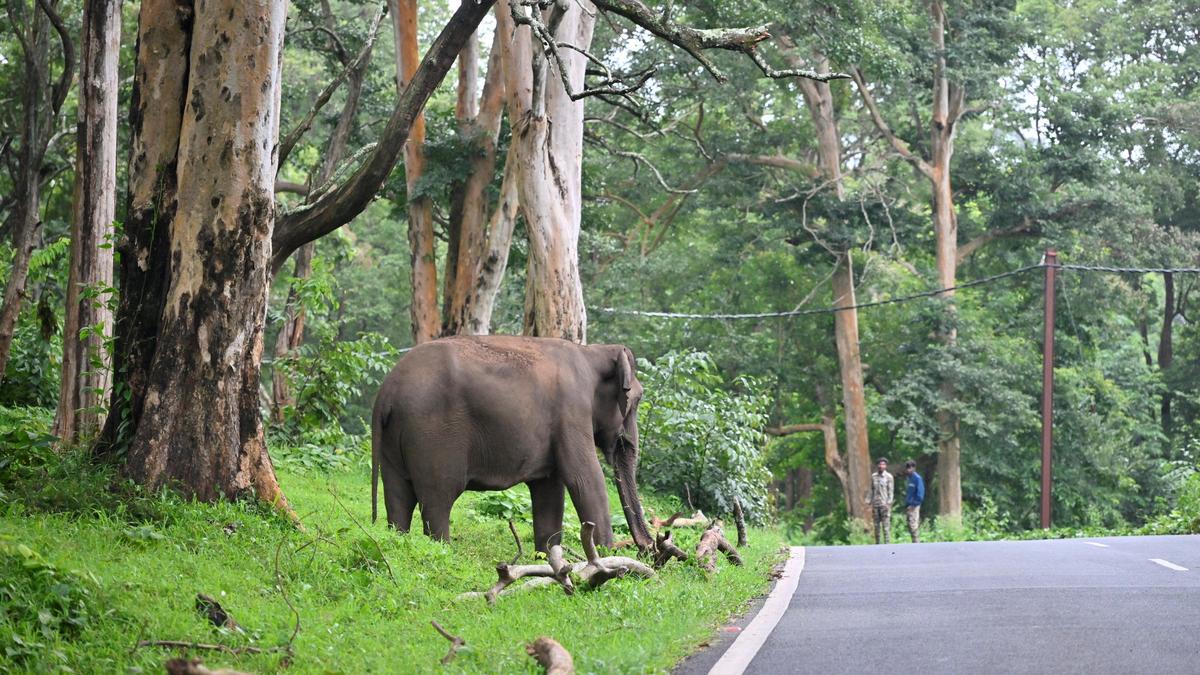
The Tamil Nadu government has allocated ₹180 crore over five years to mitigate human-wildlife conflicts. The initiative focuses on scientific interventions like solar fencing and GPS-enabled monitoring across 11 high-conflict districts.
Tamil Nadu’s Strategic Response to Human-Wildlife Conflict
The Tamil Nadu government has officially launched a significant fiscal commitment of ₹180 crore over the next five years to address the escalating issue of human-wildlife conflict. This Comprehensive Human-Wildlife Conflict Mitigation Scheme represents a proactive shift in environmental management, moving from reactive damage control to a structured, technology-driven preventative model. By formalizing this allocation in the 2026-27 Budget, the state acknowledges that rapid urbanization and habitat fragmentation have brought wild animals into closer proximity with human settlements, necessitating a robust administrative framework.
Integrating Technology and Traditional Protection
At the core of this scheme is the deployment of modern infrastructure designed to create physical and digital barriers between wildlife and human-inhabited zones. The implementation of hanging solar fences serves as a primary deterrent, preventing incursions without causing permanent harm to wildlife. Complementing this, the introduction of GPS-enabled vehicles for real-time tracking allows forest officials to anticipate animal movements. These technological assets are paired with essential manual operations, including rigorous night patrolling and community-based forest protection, ensuring that the human element of wildlife management is not lost in the face of automation.
A Geographical Focus on the Western Ghats
The intervention is strategically targeted at 11 districts within the Western Ghats region, a biodiversity hotspot that is particularly prone to conflict due to its high density of both human activity and wildlife corridors. Districts such as Coimbatore, the Nilgiris, Erode, and Krishnagiri have historically recorded frequent instances of crop raiding and livestock predation. By concentrating resources in these 100 identified conflict-prone villages, the government aims to create a localized 'buffer zone' that protects rural livelihoods while simultaneously safeguarding the ecological integrity of the Western Ghats.
Socio-Economic Implications
Human-wildlife conflict often leads to severe economic distress for farmers and local communities, who suffer from the loss of crops and livestock. This scheme addresses the root of these tensions, which can often lead to retaliatory actions against wildlife. By investing in preventative infrastructure, the government is essentially subsidizing the safety of rural populations and reducing the financial burden of compensation claims. This approach fosters a more harmonious relationship between local residents and the state forest department, transforming community members from passive observers into active participants in forest protection.
Future Trends and Sustainability
Looking ahead, the success of this five-year plan will likely serve as a blueprint for other Indian states facing similar demographic and ecological pressures. The shift toward scientific monitoring—evidenced by the use of GPS and centralized management systems—suggests a future where wildlife management is data-driven. As the Principal Chief Conservator and the state administration continue to refine these measures, the primary indicator of success will be the reduction of direct encounters and the stabilization of wildlife corridors, ensuring that development in Tamil Nadu remains ecologically sustainable for years to come.
Verification Required?