Did strategic mistrust prompt Germany to pull out of Boeing's Ghost Bat deal
Source Entity
DHRUV YADAV
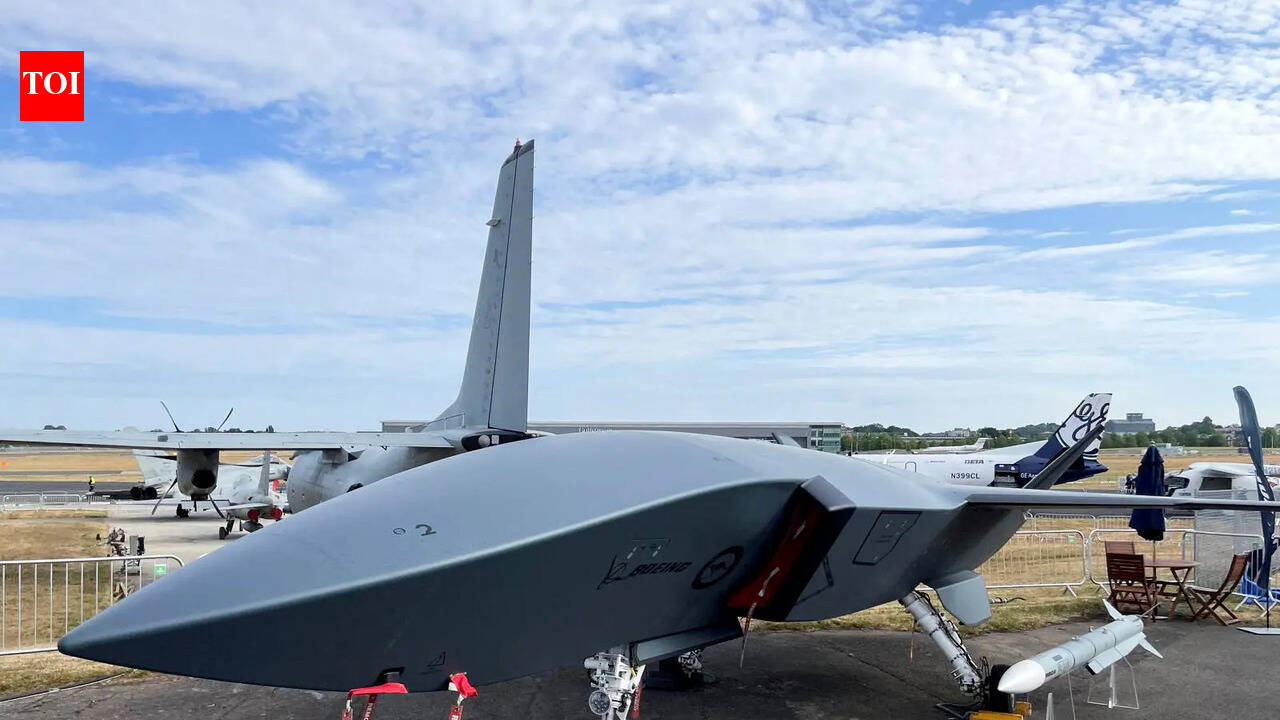
Germany has officially declined to purchase Boeing's MQ-28 Ghost Bat drone to prioritize its F-35 fighter jet acquisition. This decision reflects a strategic shift in Berlin's defense procurement as it looks toward alternative uncrewed combat aircraft solutions for the early 2030s.
Germany's Strategic Pivot: The Ghost Bat Withdrawal
Germany's recent decision to inform Boeing that it will not proceed with the direct acquisition of the MQ-28 Ghost Bat drone marks a significant turning point in the nation's defense procurement strategy. While the German Ministry of Defence has remained tight-lipped, citing parliamentary protocols and public contracting laws, the move signals a broader recalibration of Berlin's Collaborative Combat Aircraft (CCA) program. By stepping away from the Boeing-led option, Germany is effectively pausing its immediate commitment to a specific 'loyal wingman' platform in favor of a more flexible, long-term procurement timeline.
Prioritizing the F-35 and Future Compatibility
The decision to halt the Ghost Bat deal is inherently linked to Germany’s ongoing integration of the F-35 Lightning II fighter jet into its air force. As Berlin invests heavily in fifth-generation fighter technology, the requirements for supporting uncrewed systems have become more stringent. By delaying the procurement of uncrewed combat aircraft until the early 2030s, the German military is likely attempting to align its drone capabilities with the full operational maturity of its F-35 fleet, ensuring that future systems are not only technologically compatible but also strategically integrated into a unified combat network.
The Competitive Landscape of European Defense
Beyond technical integration, the German decision opens the door for a more competitive procurement process. The emergence of alternative drone solutions, with market participants aiming for 2029 readiness, suggests that Germany is keen to explore a wider array of domestic and European options. This shift is reflective of a growing trend in European defense policy: the desire for 'strategic autonomy.' By keeping the door open to competitors, Berlin can better leverage its purchasing power to ensure that future drone systems meet specific sovereignty requirements that might be more difficult to manage with a foreign-sourced platform like the Ghost Bat.
Addressing Global Security and Procurement Trends
The timing of this move coincides with heightened global security concerns, which have forced nations across the continent to re-evaluate their defense budgets and acquisition timelines. The 'strategic cost' of purchasing foreign weapon systems is a recurring theme in German parliamentary discourse, as the government balances the need for off-the-shelf capability against the desire to foster a resilient local industrial base. This delay allows Germany to conduct a more thorough cost-benefit analysis, ensuring that the final selection for its uncrewed program provides the best value over the next two decades.
Future Implications for Collaborative Combat
As Germany moves toward the 2030s, the focus will likely shift from merely acquiring hardware to developing a cohesive 'system-of-systems' architecture. The decision to forgo the Ghost Bat for now does not necessarily signal a permanent rejection of Boeing’s technology, but rather a strategic pause to redefine the parameters of what a collaborative wingman should accomplish. The upcoming years will be critical as Berlin evaluates various proposals, weighing the benefits of international partnerships against the necessity of maintaining operational independence in an increasingly volatile global landscape.