The rise and rediscovery of Khajuraho’s iconic medieval temples
Source Entity
Nikita Mohta
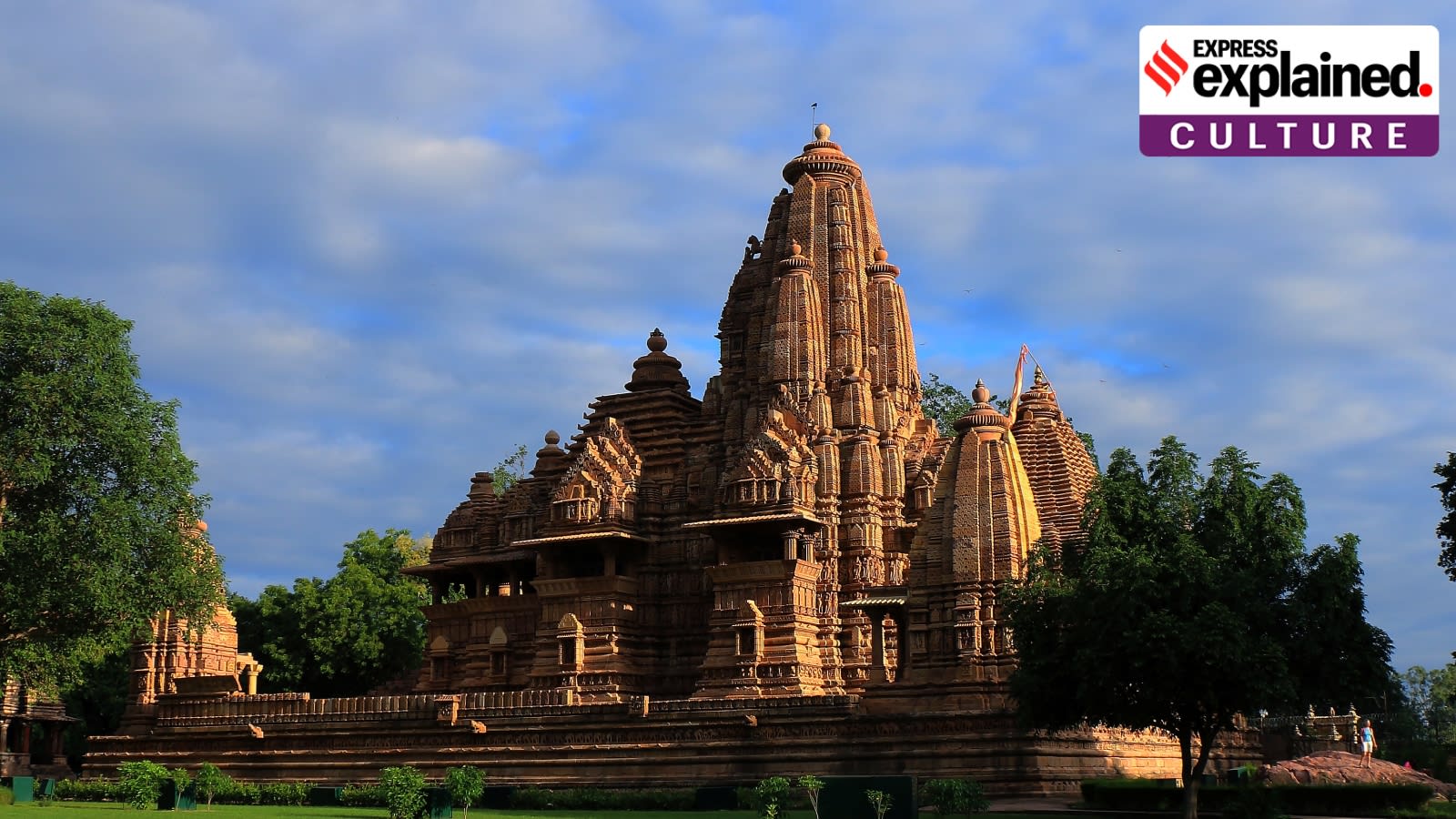
The Archaeological Survey of India (ASI) plans to restore the headless Vishnu idol at Khajuraho’s Javari temple by November. This initiative highlights the ongoing preservation efforts for the site's significant medieval Chandela-era architecture.
The Restoration of Khajuraho's Iconic Heritage
The Archaeological Survey of India (ASI) has announced a significant conservation milestone: the planned restoration of the headless Vishnu idol located within the Javari temple at the Khajuraho complex. By re-attaching the long-lost sandstone head—recently recovered from an ASI storage facility—to the main body of the deity, authorities aim to restore the structural and aesthetic integrity of the sculpture by November. This effort represents a meticulous commitment to preserving the nuanced craftsmanship of medieval Indian stonework.
Historical Significance of the Chandela Dynasty
Khajuraho, situated in the modern-day state of Madhya Pradesh, stands as a testament to the architectural ambition of the Chandela rulers. Between the 10th and 12th centuries, the Chandelas transformed this region into a vibrant religious and cultural hub. The sheer density of temple construction during this era underscores the dynasty's political stability and its deep devotion to the Hindu pantheon, which served to legitimize their rule and consolidate power across their central Indian territories.
Architectural Scale and Survival
The historical record suggests that the Khajuraho complex was once an expansive sacred geography covering approximately 13 square kilometers. At its zenith, the site contained an estimated 85 temples, reflecting a monumental commitment to religious infrastructure. Today, only about 20 of these structures remain in varying states of preservation. The loss of the majority of these temples due to the ravages of time, climate, and historical upheaval makes the preservation of remaining icons, such as the Vishnu idol, even more critical for cultural continuity.
Challenges in Archaeological Conservation
Restoring an idol like the one at the Javari temple involves more than just physical reattachment; it requires a sophisticated understanding of ancient sandstone composition and traditional carving techniques. The ASI’s decision to utilize the original lost piece, rather than crafting a replica, highlights a preference for authenticity. This process serves as a case study in modern heritage management, where the goal is to maintain the 'spirit' of the original work while ensuring structural longevity.
Future Trends in Site Preservation
As interest in India's medieval history grows, the restoration of Khajuraho’s artifacts acts as a catalyst for broader site revitalization. By highlighting the recovery of lost elements, the ASI is setting a precedent for 'reconstructive conservation.' Future initiatives will likely focus on utilizing non-invasive technologies to map the remaining 20 temples, ensuring that the legacy of the Chandela period is not only preserved but better understood by future generations of historians and tourists alike.