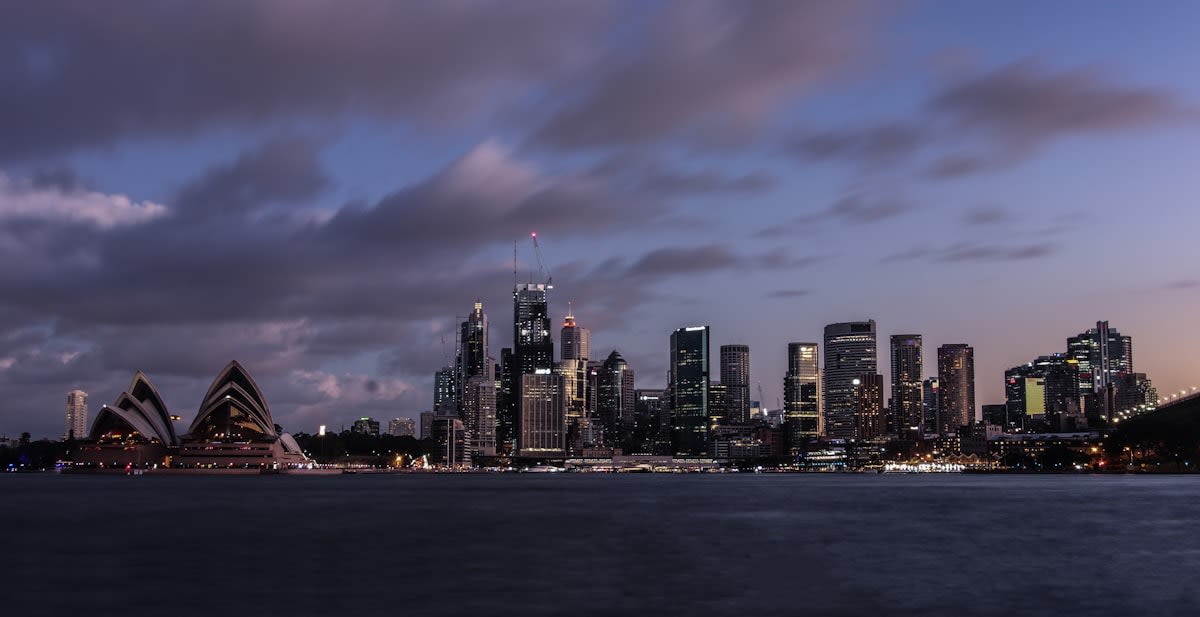
The urban centers of Oceania are no longer cohesive civic spaces; they have become collections of overlapping but mutually exclusive realities. This is not a slow decay but a sharp psychological rupture. For Gen Z Australians, the physical city is a site of exclusion. According to a longitudinal study published by the Australian Institute of Family Studies on July 14, 2026, housing affordability has eclipsed climate change and career progression as the primary source of anxiety. When the basic requirement for adult stability—a home—becomes an impossibility, the psychological contract between the citizen and the state dissolves. Why invest in a society that refuses to house you?
This exclusion drives a retreat into parallel societies. These are not just gated communities of the wealthy, but cognitive gated communities of the disillusioned. The data reveals a staggering collapse in institutional faith. Trust in traditional news media has plummeted to a mere 18%, a figure that now sits in near-parity with trust in social media. This parity is the smoking gun of fragmentation. When the official record carries no more weight than a viral thread, the shared objective reality required for a functioning city vanishes. We are witnessing the rise of a population that is politically active but institutionally alienated.
The Engagement Paradox
The psychological pivot is clear: Gen Z is not disengaged from public life, but they are profoundly distrustful of the mechanisms that govern it. Their engagement is adversarial, not collaborative.
Does this distrust stem from a lack of education or a surplus of awareness? The evidence suggests the latter. The Growing Up in Australia report emphasizes that young people remain deeply engaged in political debate. They are not apathetics; they are skeptics. This skepticism manifests as a refusal to accept the narratives provided by political parties and mainstream media. Instead, they construct their own information ecosystems. These parallel information streams allow them to navigate a world where the traditional milestones of success are blocked, creating a social layer that operates entirely independently of the established order.
The Institutional War on Definition
The friction extends into the intellectual hubs of these cities. On July 15, 2026, reports emerged that Australian universities are being forced to meet tougher racism standards, with the government requiring the adoption of specific racism definitions. This move, highlighted by Research Professional News, indicates a desperate attempt by the state to impose a unified moral vocabulary on a fragmenting campus population. When the state must mandate the definition of racism to curb widespread incidence, it admits that the organic social consensus has failed. The university, once a bridge between different social strata, is becoming another battleground for competing definitions of truth.
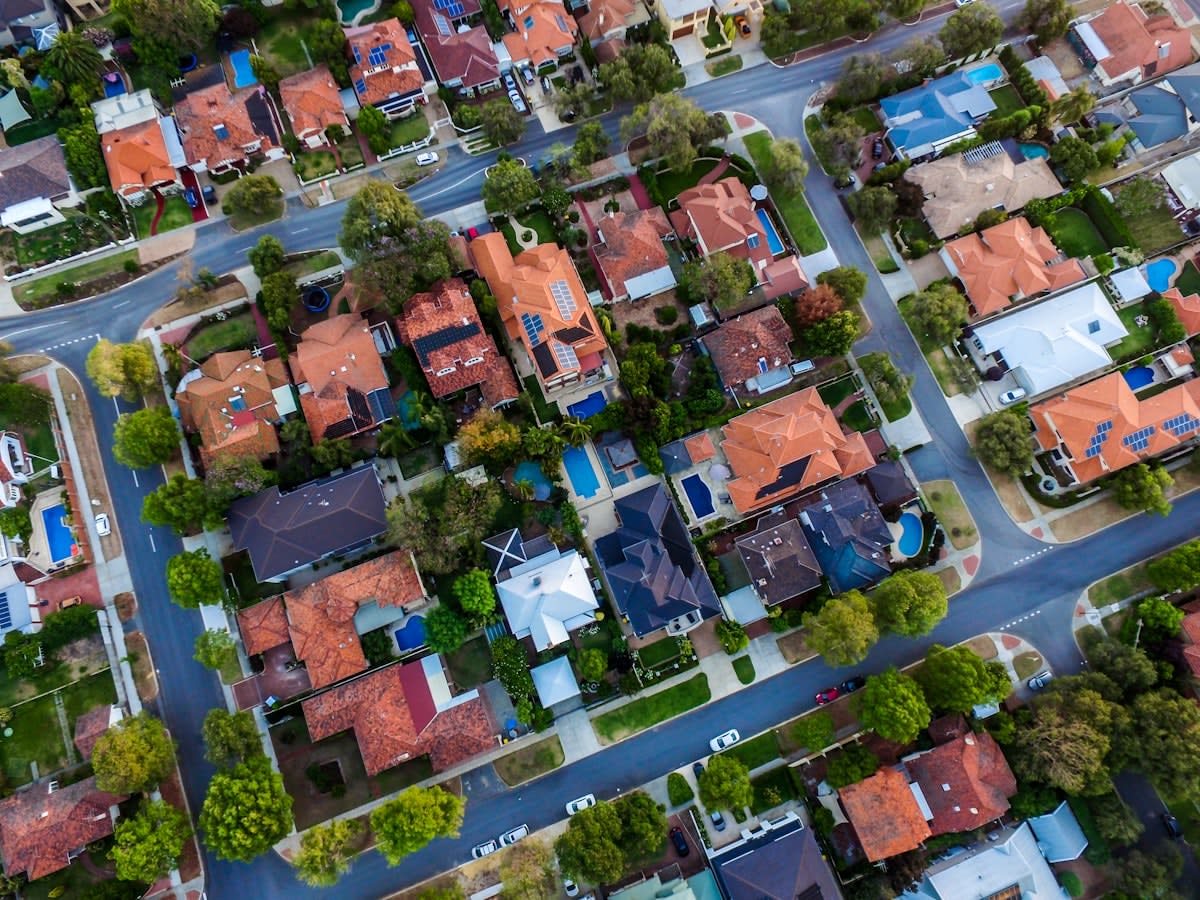
This institutional rigidity often backfires, further pushing the youth into the arms of decentralized networks. If the university is seen as an arm of state-mandated definitions rather than a space for open inquiry, the intellectual parallel society grows stronger. The result is a city where people share the same zip code but inhabit different moral and factual universes. The physical proximity of the urban center only serves to heighten the contrast between these diverging worlds.
This psychological hardening is not limited to human social structures; it reflects a broader regional tendency to frame the 'other' as an existential threat. Consider the narrative framing in New Zealand regarding the brushtail possum. A study in the Animal Studies Journal reveals that print media frequently employs the language of war and military to describe possum control, depicting the animals as an invading enemy that must be defeated to protect the landscape. While this concerns ecology, the psychological mechanism is identical to that of social fragmentation: the identification of an invader to justify an all-out war of extermination to protect a perceived purity of space.
| Metric | Traditional Media Trust | Social Media Trust | Primary Anxiety |
|---|---|---|---|
| Gen Z (Australia) | 18% | 18% | Housing Affordability |
| Institutional Norms | Declining | Ascendant | Social Cohesion |
The data in the table above illustrates a dangerous equilibrium. When trust in the legacy gatekeepers of truth drops to 18%, the vacuum is not filled by a new, more reliable center, but by a thousand fragmented shards. This is the blueprint for a parallel society. Each shard creates its own set of facts, its own heroes, and its own villains. The city becomes a map of these shards, where interaction only occurs at the borders, and usually in the form of conflict.
"The most common source of anxiety for young Australians is no longer the end of the world via climate change, but the end of the dream of home ownership."— Synthesis of Australian Institute of Family Studies Data
Why does this lead to fragmentation rather than a unified movement for change? Because the anxiety is internalized. Housing stress doesn't just create a political demand; it creates a psychological state of precariousness. This precariousness makes individuals more susceptible to narrow, identity-based enclaves that offer a sense of belonging that the physical city denies them. The digital world provides the architecture for these parallel societies to thrive, offering a simulated version of ownership and status that the real estate market has stripped away.
The Death of the Common Square
The common square—the place where different classes and generations meet and negotiate a shared identity—is dead. In its place, we have the algorithmic feed. The feed does not challenge the user; it reinforces the user's existing biases. For a generation that feels betrayed by the political class, the feed is the only place where they feel heard. This creates a feedback loop where the distrust of politicians is not just a reaction to policy, but a core part of the social identity of the parallel society.

We must ask: what happens to a city when its youngest, most energetic citizens view the institutions of that city as hostile or irrelevant? The result is a hollowed-out civic core. The physical infrastructure remains, but the social glue has evaporated. The parallel societies do not seek to merge; they seek to optimize their own survival within the ruins of the old system. They are not looking for a seat at the table; they are building their own tables in different rooms.
The fragmentation is now structural. From the mandates on university racism definitions to the visceral anxiety over property titles, the signals are the same. The urban centers of Oceania are becoming archives of a lost consensus. The parallel societies are no longer a fringe phenomenon; they are the new dominant mode of existence for a generation that has been priced out of the physical world and locked out of the institutional one.