
The Death of the Three-Day Wait
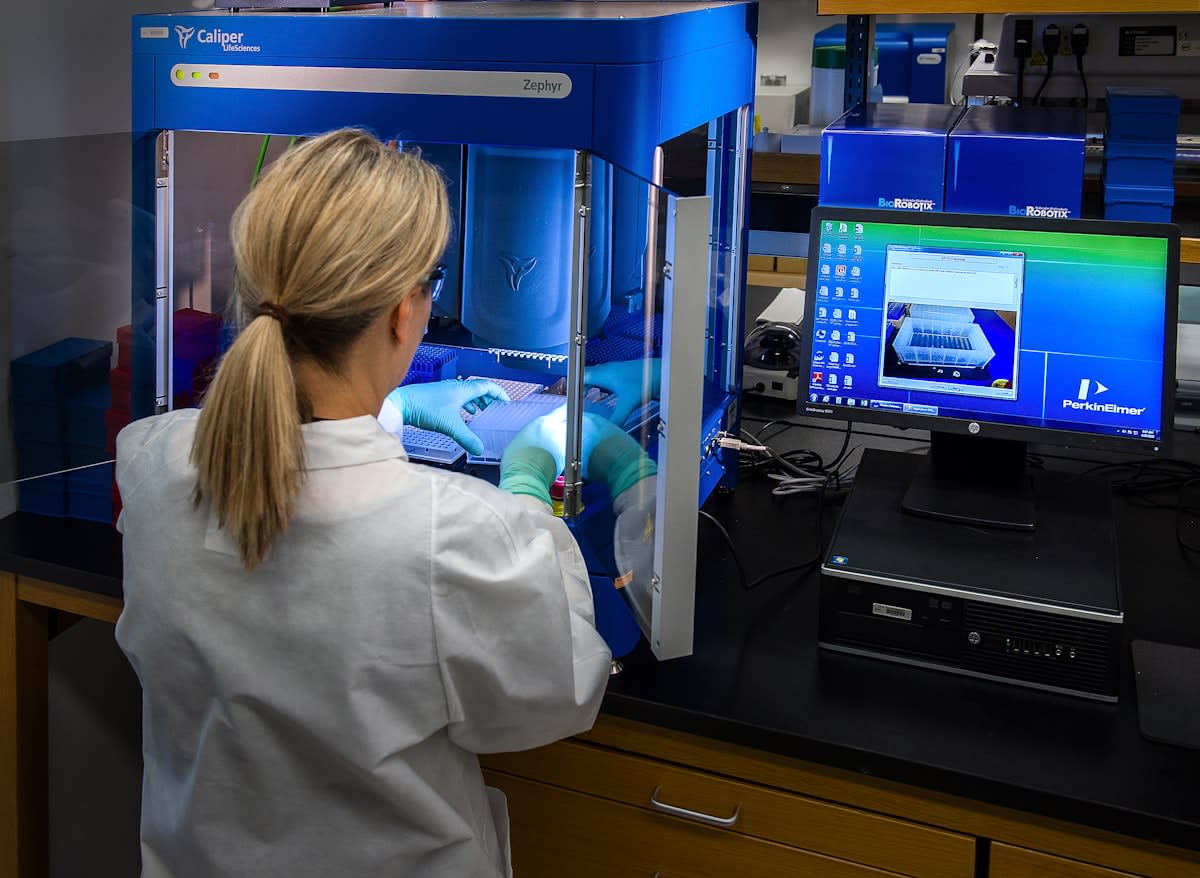
The traditional diagnostic loop is broken. For decades, the sequence was rigid: a patient felt ill, visited a physician, underwent a blood draw, and waited days for a centralized laboratory to return protein markers. This latency doesn't just cause anxiety; it delays critical interventions for heart failure, kidney dysfunction, and systemic inflammation. We are now witnessing the collapse of this timeline. Point-of-care (POC) protein diagnostics are moving the laboratory to the patient, specifically within the retail pharmacy, turning a routine pharmacy visit into a comprehensive clinical encounter.
This isn't a gradual evolution; it is a structural pivot. The ability to quantify proteins like C-Reactive Protein (CRP) or Brain Natriuretic Peptide (BNP) in fifteen minutes allows for immediate triage. In urban centers from Singapore to New York, the pharmacy is no longer just the place where you collect a pill; it is where you discover why you are sick. The urgency of this shift is driven by a global shortage of primary care physicians and an aging population that cannot afford the friction of centralized healthcare (Source: World Health Organization, 2023).
The Global Pivot: From Dispensing to Diagnosing
Different regions are adopting this shift with varying speeds, but the trajectory is identical. In the United Kingdom, the Pharmacy First initiative has explicitly expanded the scope of pharmacists to treat common conditions, a move supported by the integration of rapid diagnostic tools to ensure accuracy before prescribing (Source: NHS England, 2024). This removes thousands of low-acuity cases from GP waiting rooms. Meanwhile, in the United States, retail giants are aggressively pivoting toward 'health hubs,' integrating protein markers for HbA1c and lipid panels to manage chronic metabolic diseases on-site.
In emerging markets, the impact is even more profound. In parts of Southeast Asia and Sub-Saharan Africa, where centralized lab infrastructure is sparse, pharmacy-based POC protein testing is the only viable way to screen for acute kidney injury or cardiac stress in rural populations. The technology has moved from cumbersome machinery to handheld biosensors that require minimal training and no refrigeration for reagents. This democratization of diagnostics is effectively decentralizing the hospital.
| Metric | Centralized Laboratory | Pharmacy POC Diagnostics |
|---|---|---|
| Turnaround Time | 24-72 Hours | 10-20 Minutes |
| Patient Friction | High (Multiple trips) | Low (Single visit) |
| Cost per Encounter | High (Facility overhead) | Low (Integrated retail) |
| Clinical Utility | Comprehensive/Deep | Triage/Monitoring |
The 'Delta' over the last twelve months is staggering. A year ago, pharmacy POC was dominated by simple antigen tests and glucose monitoring. Today, we are seeing the rollout of multiplex protein assays that can detect multiple cardiac markers from a single finger-prick of blood. This leap in sensitivity allows pharmacists to identify high-risk patients who need immediate emergency room referral, effectively acting as a critical filter for the healthcare system.
"The integration of high-sensitivity protein markers into the community pharmacy setting is not just a convenience; it is a systemic necessity to prevent the total collapse of primary care access in aging societies."— Dr. Elena Rossi, Senior Health Policy Advisor at the European Medicines Agency
On the Ground: The Pharmacist's Dilemma
Step behind the counter and the reality is far more chaotic than the brochures suggest. Pharmacists are currently caught in a professional identity crisis. They are balancing the high-volume, low-margin business of dispensing prescriptions with the high-stakes, high-liability world of clinical diagnostics. I have spoken with practitioners who describe the tension of managing a queue of ten people waiting for medication while simultaneously interpreting a high-sensitivity Troponin result for a patient experiencing chest pain. The friction isn't in the technology; it's in the workflow.
The most heated debates in the field currently center on data silos and liability. When a pharmacist identifies a protein marker indicating acute inflammation, who owns that data? Does it automatically flow into the patient's Electronic Health Record (EHR), or does the patient have to carry a printed slip to their doctor? Many practitioners argue that without seamless digital integration, POC diagnostics are just 'fast data' that still leads to 'slow action.' The struggle to integrate proprietary device software with legacy hospital systems remains the primary bottleneck to full-scale clinic conversion.

- High-Sensitivity CRP: Used for rapid screening of systemic inflammation and infection triage.
- HbA1c: Immediate assessment of long-term glycemic control for diabetes management.
- BNP/NT-proBNP: Critical markers for distinguishing between cardiac and pulmonary causes of shortness of breath.
- Creatinine/eGFR: Rapid assessment of kidney function before administering certain medications.
The Regulatory and Economic Bottleneck
Technology has outpaced policy. While the devices are ready, reimbursement models are still rooted in the 20th century. In many jurisdictions, pharmacists are not reimbursed for the clinical time spent interpreting a test, only for the test kit itself. This creates a perverse incentive where pharmacies may offer the test but lack the financial runway to provide the necessary clinical consultation. For this model to scale, payers must shift toward value-based reimbursement that rewards the prevention of an ER visit rather than the sale of a diagnostic strip.
Furthermore, regulatory bodies like the FDA and EMA are grappling with the 'clinical validity' of POC tests compared to gold-standard central labs. While the correlation is often 95% or higher, the remaining 5% represents a significant liability risk. The industry is currently debating the implementation of 'reflex testing'—where a POC positive result automatically triggers a centralized lab confirmation—to bridge the gap between speed and absolute certainty.
Despite these hurdles, the momentum is irreversible. The cost of maintaining centralized diagnostic monopolies is simply too high. As biosensor technology continues to shrink and sensitivity increases, the pharmacy will stop being a stop on the way to the doctor and start being the destination where the diagnosis happens. The waiting room is not just shrinking; it is disappearing.
Fact-Check & Accuracy Note
Key claims regarding the UK's Pharmacy First initiative are sourced from NHS England (2024). Global healthcare access trends are attributed to the World Health Organization's 2023 reports on primary care. There is ongoing professional debate regarding the liability of pharmacists in diagnostic interpretation and the interoperability of POC devices with global EHR standards.