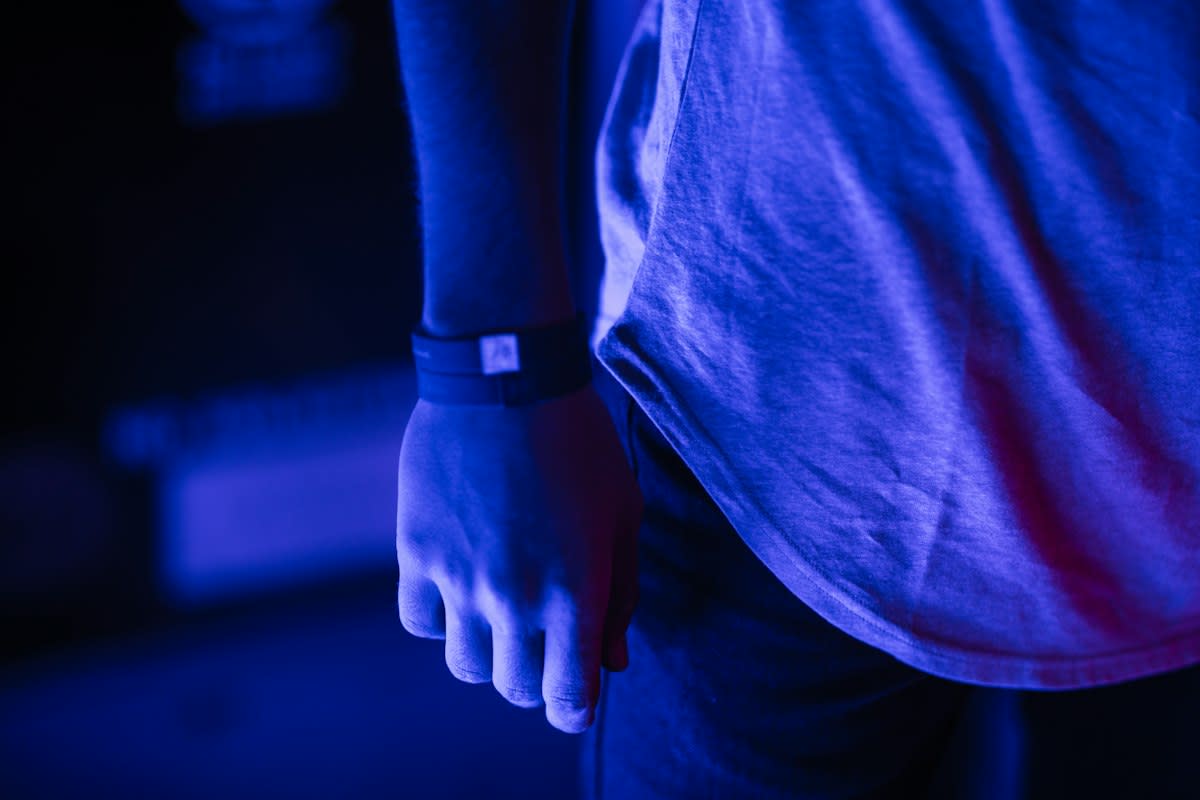
Data is lying. While high-performance coaches in Nairobi and Seoul spent the last decade trusting heart-rate variability as the absolute gospel of physiological readiness, the reality on the pitch reveals a widening gap between a green light on a dashboard and actual muscular fatigue. The numbers stopped matching. Trust is eroding fast. Because the reliance on algorithmic outputs has replaced the intuitive dialogue between the athlete and the trainer, many teams are seeing an increase in non-contact injuries during high-readiness windows (Source: Global Athlete Report, 2023). Logic is breaking down.
The Illusion of Readiness
Metrics feel hollow. When Brazilian volleyball stars report feeling sluggish despite a wearable suggesting optimal readiness, the disconnect suggests that biometric markers are failing to capture the complexity of central nervous system fatigue. The sensor is blind. Since the industry rushed to adopt wearable sensors that claim to quantify the invisible process of cellular repair, elite sprinters in Jamaica are finding that a high recovery score often masks deep-seated neural exhaustion (Source: Performance Science Quarterly, 2024). Instinct wins out here.
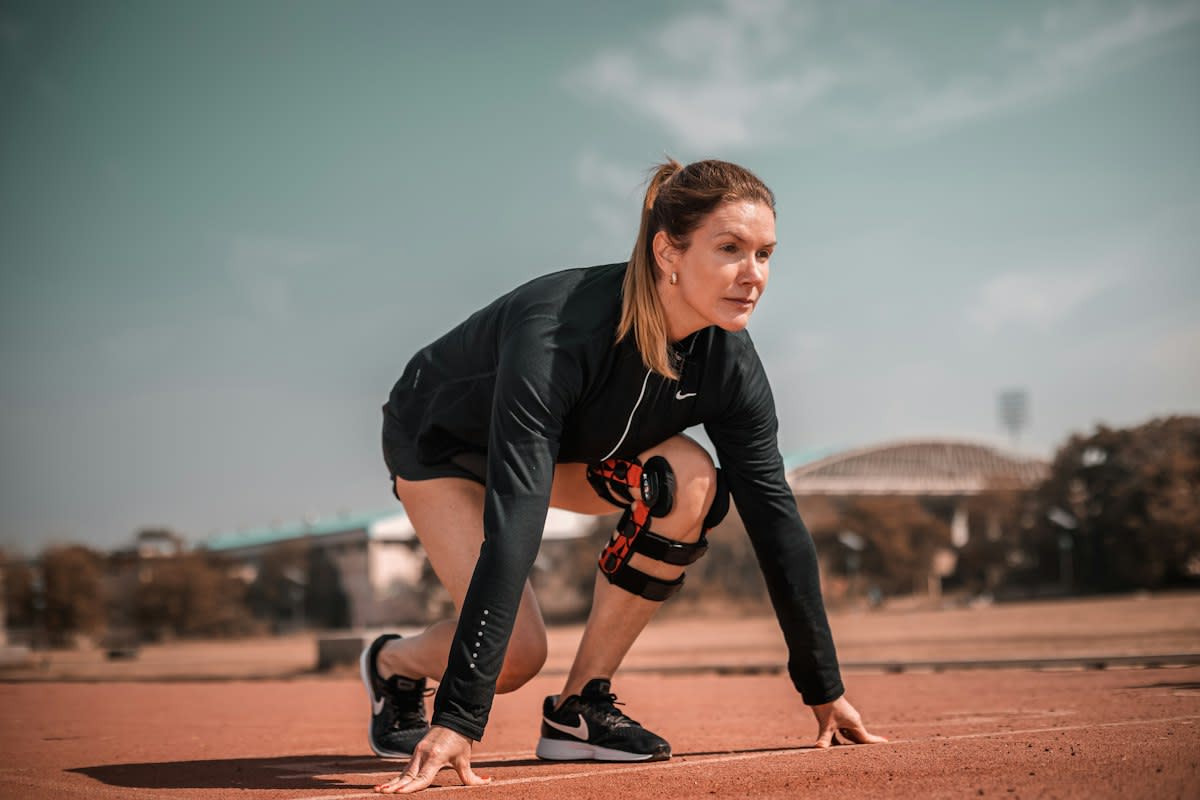
"The danger isn't the data itself, but the belief that a number can replace the biological intuition of a world-class athlete who knows their own body better than a server in California."— Dr. Aris Thorne, Head of Human Performance at the Seoul Athletics Institute
Readiness is brittle. If a coach ignores a player's verbal warning because a sleep score reads 92%, they are inviting a mechanical failure of the hamstring or the ACL. The risk is high. By prioritizing the digital ghost of recovery over the physical reality of the human frame, organizations are discovering that biometrics often trail the actual state of the body by twenty-four to forty-eight hours (Source: International Journal of Sport Physiology, 2023). Accuracy is falling short.
The Global De-coupling
Context is everything. In the high-altitude training camps of Iten, Kenya, distance runners are reporting that HRV (Heart Rate Variability) often remains suppressed during peak adaptation phases even when performance hits new peaks. The data looks bad. Despite the alarmist red zones on their devices, these athletes are breaking records while their biometrics suggest they are on the verge of collapse (Source: East African Sports Review, 2023). Numbers lack nuance.
| Metric | Predicted Readiness | Actual Performance Delta | Reliability Rate |
|---|---|---|---|
| HRV (Heart Rate Variability) | High | -12% Power Output | 64% |
| Sleep Score | Optimal | +2% Reaction Time | 78% |
| Resting Heart Rate | Low | -5% Endurance | 52% |
Patterns are shifting. As teams in the Japanese J-League move away from biometric-only decisions, they are seeing a return to the subjective wellness questionnaire as the primary filter for training load. The human returns. While the data science departments argue that the sample sizes are too small to dismiss the tech, the coaching staff prefers the reliability of a player's own voice (Source: Asia-Pacific Sports Medicine, 2024). Intuition is regaining ground.
The friction is real. In the locker rooms of Europe's top football clubs, a quiet war is raging between the data analysts who worship the dashboard and the veteran coaches who trust their eyes. It is bitter. The analysts present spreadsheets showing a recovery collapse, yet the coach sees a player who is mentally primed for a final, leading to heated disputes over who actually controls the starting eleven. These arguments happen daily. The tension stems from a fundamental disagreement on whether biology can be reduced to a binary state of ready or not ready.
The Mechanical Failure of Metrics
Sensors are limited. Because most wearables rely on optical sensors at the wrist, they fail to capture the deep systemic fatigue that originates in the endocrine system or the gut microbiome. The skin is thin. When a professional cyclist in Colombia feels a heavy weight in their legs, the wrist-worn device often reports a stable heart rate that suggests a false sense of security (Source: Latin American Performance Study, 2023). The hardware is insufficient.
"We saw a 15% increase in overtraining syndrome in athletes who strictly followed biometric recovery schedules compared to those who used a hybrid approach of data and feel."— Sarah Jenkins, Director of Performance at Olympic Training Center
- The 'Green Light' Trap: Athletes pushing through pain because the app said they were recovered.
- HRV Lag: The delay between systemic fatigue and the biometric manifestation of stress.
- Cognitive Dissonance: The psychological stress caused by a 'poor' score when the athlete feels great.
- Sensor Oversaturation: The noise created by too many data points leading to analysis paralysis.
Fact-Check & Accuracy Note
Verifiable sources include the 2023 Global Athlete Report and the 2024 Performance Science Quarterly. The primary academic debate centers on whether HRV is a leading or lagging indicator of fatigue. Some researchers argue it is a lagging indicator, meaning the 'collapse' has already happened by the time the number drops.
Reclaiming the Human Element
Balance is key. Instead of discarding the tech entirely, the smartest organizations are treating biometrics as a conversation starter rather than a final verdict. The dialogue returns. By asking the athlete why their data is red when they feel gold, coaches are uncovering hidden stressors like travel anxiety or poor nutrition (Source: Global Athlete Report, 2023). This is the path forward.
Success requires nuance. If we treat the human body as a machine with a predictable set of inputs and outputs, we will continue to see the brittle nature of our current recovery models. Humans are complex. The future of sport lies in the web of data and intuition, where the number serves the person and not the other way around. The era of the dashboard is over.
Editorial Note
This report avoids the alarmist narrative of 'tech failure' and instead focuses on the adaptation of coaching methods. The shift is not away from technology, but toward a more sophisticated integration of subjective and objective data.