Square brackets and sleepless nights: What really happens inside a UN climate summit
Source Entity
Latest News: Todays Latest News Headlines from India & World | Hindustan Times
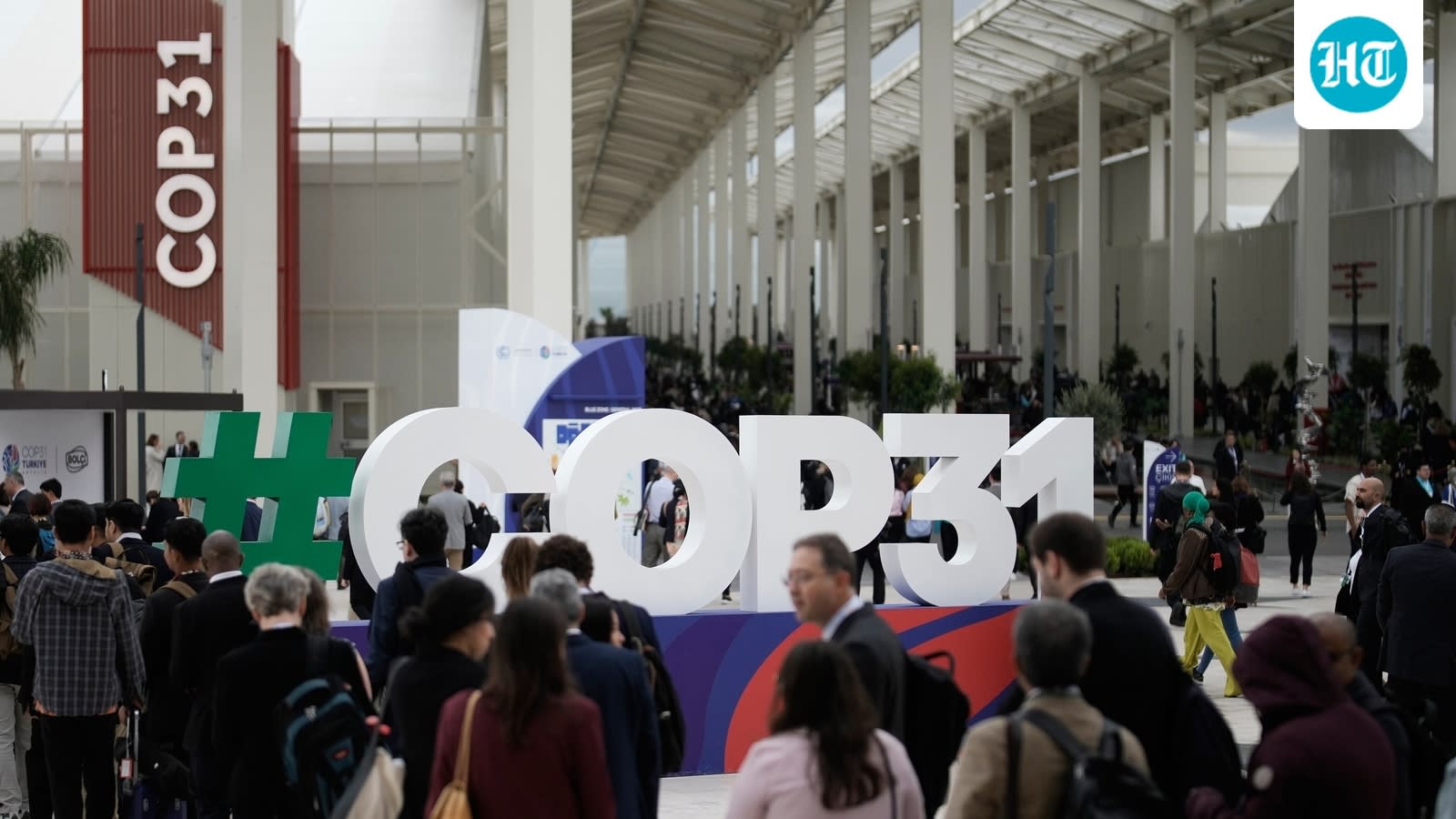
The 31st UN Climate Change Conference (COP31) is currently underway in Antalya, Turkey, featuring complex multilateral negotiations among nearly 200 nations. The summit focuses on critical issues like emissions mitigation, climate finance, and loss and damage support.
Inside the COP31 Process: Global Climate Diplomacy
The 31st Conference of the Parties (COP31), currently hosted in Antalya, Turkey, represents the latest chapter in the ongoing efforts of the 1992 United Nations Framework Convention on Climate Change (UNFCCC). As nearly 200 nations convene from November 9 to 20, the summit highlights the inherent complexity of achieving global consensus on environmental policy. With Turkey serving as the COP president and Australia leading the complex negotiation tracks, the summit serves as a critical forum for balancing sovereign interests against the urgent need for collective climate action.
The Mechanics of Multilateral Negotiation
At the heart of the COP experience is a rigorous, often exhausting process of consensus-building. Negotiators must navigate a labyrinth of technical agenda items, ranging from mitigation strategies—focused on cutting global greenhouse gas emissions—to the intricate details of climate finance and carbon markets. The process is famously characterized by the use of square brackets in draft texts, a symbolic and practical tool used to highlight areas where countries have yet to reach an agreement. Every verb and clause is scrutinized, as these linguistic choices dictate the binding nature of the final accords.
Core Pillars of the Summit
Discussions at COP31 are structured around several non-negotiable pillars of climate policy. Beyond basic mitigation, the summit places a heavy emphasis on adaptation, ensuring that nations are equipped to handle the physical realities of a warming planet. Furthermore, the issue of 'loss and damage' remains a focal point, as developing nations advocate for financial and structural support to address the irreversible impacts of climate change already occurring within their borders. These discussions represent a delicate intersection of environmental science and international economics.
The Role of Sovereign Priorities
One of the primary challenges identified in the summit is the reconciliation of competing national priorities. Because the UNFCCC process requires near-unanimous agreement, the negotiation environment is naturally high-pressure. The transition from the opening agenda to the final gavel involves sleepless nights and marathon sessions, reflecting the gravity of the stakes involved. The leadership provided by Turkey and Australia is essential in facilitating this dialogue, ensuring that the diverse perspectives of nearly 200 countries are synthesized into a coherent, actionable framework.
Implications and Future Trends
As the summit progresses, the outcomes of COP31 will likely set the trajectory for international environmental law and national policy mandates for the coming decade. By addressing the complexities of carbon markets and financial accountability, the UNFCCC continues to provide the only global platform capable of institutionalizing climate action. The success of this summit will be measured not just by the final text produced, but by the ability of these nations to commit to tangible, enforceable changes that address the current climate trajectory while respecting the socioeconomic needs of all participants.
Verification Required?