From Thrissur to Meerut and back: The three-decade hunt for a Kerala murder accused
Source Entity
Shaju Philip
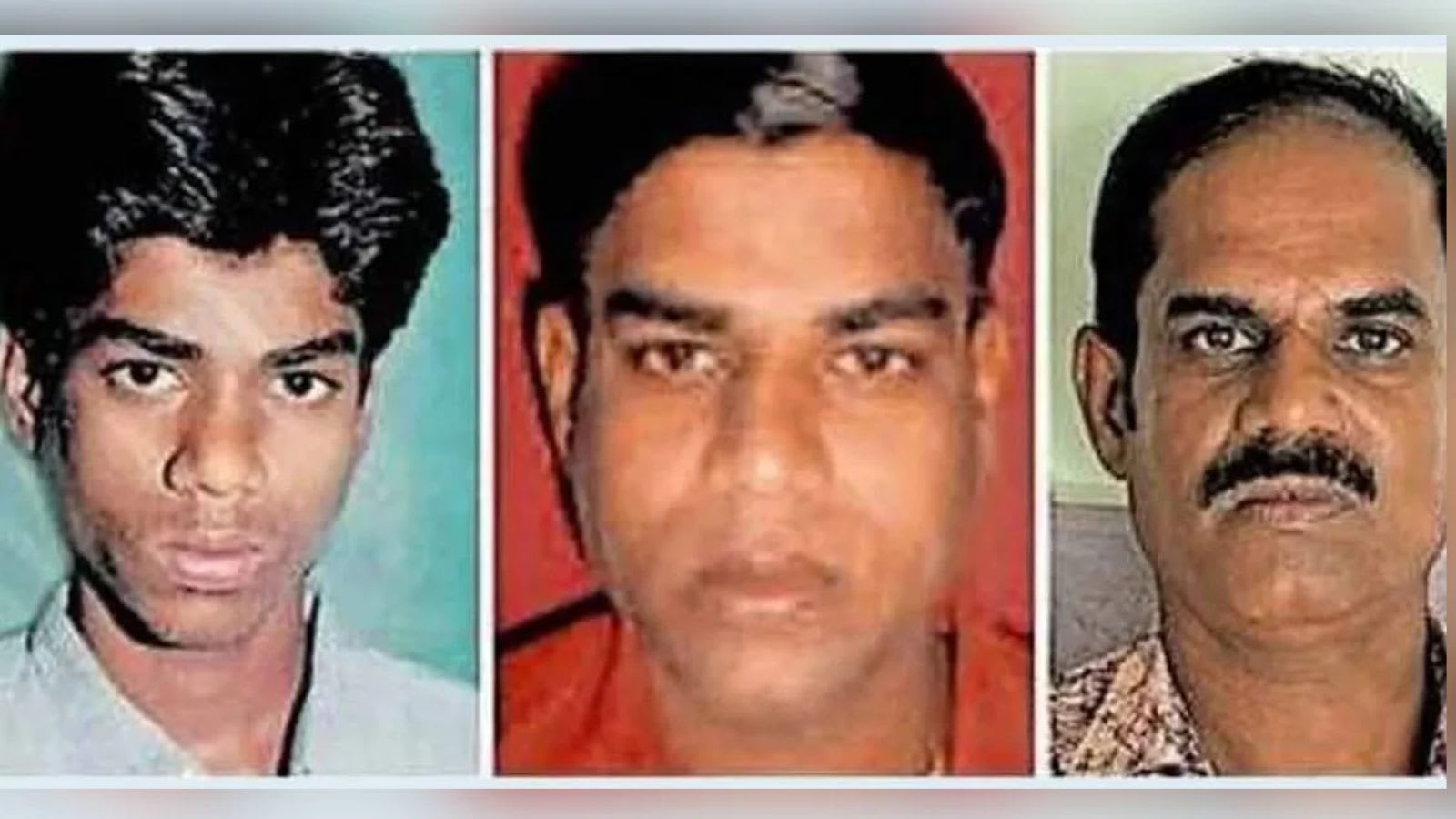
Two long-standing murder cases in India have reached significant milestones following the recent arrests of suspects who evaded justice for decades. Authorities successfully utilized modern investigative techniques, including DNA testing and digital surveillance, to solve these cold cases.
Justice Delayed: Unraveling Two Decades-Old Indian Cold Cases
Recent developments in the Indian judicial landscape have brought closure to two long-standing criminal mysteries that had remained unsolved for years. In separate investigations spanning from Kerala to Odisha, police forces have successfully apprehended individuals accused of heinous crimes committed decades ago. These cases underscore the persistence of investigative agencies and the evolving nature of forensic and digital evidence in modern policing.
The Thrissur Manhunt: A Life Built on Deception
In the case of the 1995 murder of 64-year-old Martha in Thrissur, Kerala, the suspect, Krishnakumar, managed to evade law enforcement for nearly thirty years. After jumping bail in 1996, the accused constructed an entirely new persona, relocating and establishing a family to obscure his past. However, the advancement of digital footprints and inter-regional police coordination eventually shattered this facade. By analyzing phone records and family connections, Kerala Police were able to trace the accused to the Kollam district, proving that even the most carefully constructed lives can be undone by modern data analysis.
The Tragedy of Bhagirathi Mandangi
Simultaneously, the surrender of former Biju Janata Dal (BJD) leader Nakkinti Bhaskar Rao in Odisha marks a pivotal moment in the 2010 murder case of tribal leader Bhagirathi Mandangi. The investigation, which began with the grim discovery of a decomposed body in a dam, relied heavily on DNA verification to confirm the identity of the victim. The long path to this surrender highlights the complex interplay between political influence and the slow, grinding machinery of the judicial system, which ultimately required years of persistence to bring a high-profile figure to account.
The Role of Forensic and Digital Evolution
Both cases highlight a critical trend in contemporary criminal justice: the transition from traditional witness-based investigation to a reliance on forensic science and digital forensics. In the Thrissur case, the combination of old photographs and modern call records served as the catalyst for the breakthrough. In the Odisha case, the reliance on DNA testing was the only way to establish evidence when the physical remains had been rendered unrecognizable by time and elements.
Broader Implications for Law Enforcement
These arrests send a powerful message regarding the statute of limitations on justice. In India, where case backlogs are notoriously high, the successful resolution of these cases serves as a morale booster for law enforcement agencies. It demonstrates that cold case units, when properly resourced, can bridge the gap between historical crimes and current technological capabilities, effectively discouraging offenders from believing that time alone can grant them immunity.
Future Trends in Cold Case Investigations
Looking ahead, we can expect a continued shift toward centralized databases and biometric tracking, which will make it increasingly difficult for fugitives to establish new identities. As digital infrastructure in India becomes more integrated, the ability for suspects to disappear into the 'gray' economy will diminish. These two cases serve as a testament to the fact that while justice may be slow, the convergence of technology and dedicated police work is significantly shortening the lifespan of criminal impunity.
Multiple Citing Sources