Odisha on alert for third cyclone in three weeks; no hint of landfall area yet, says minister
Source Entity
Latest News: Todays Latest News Headlines from India & World | Hindustan Times
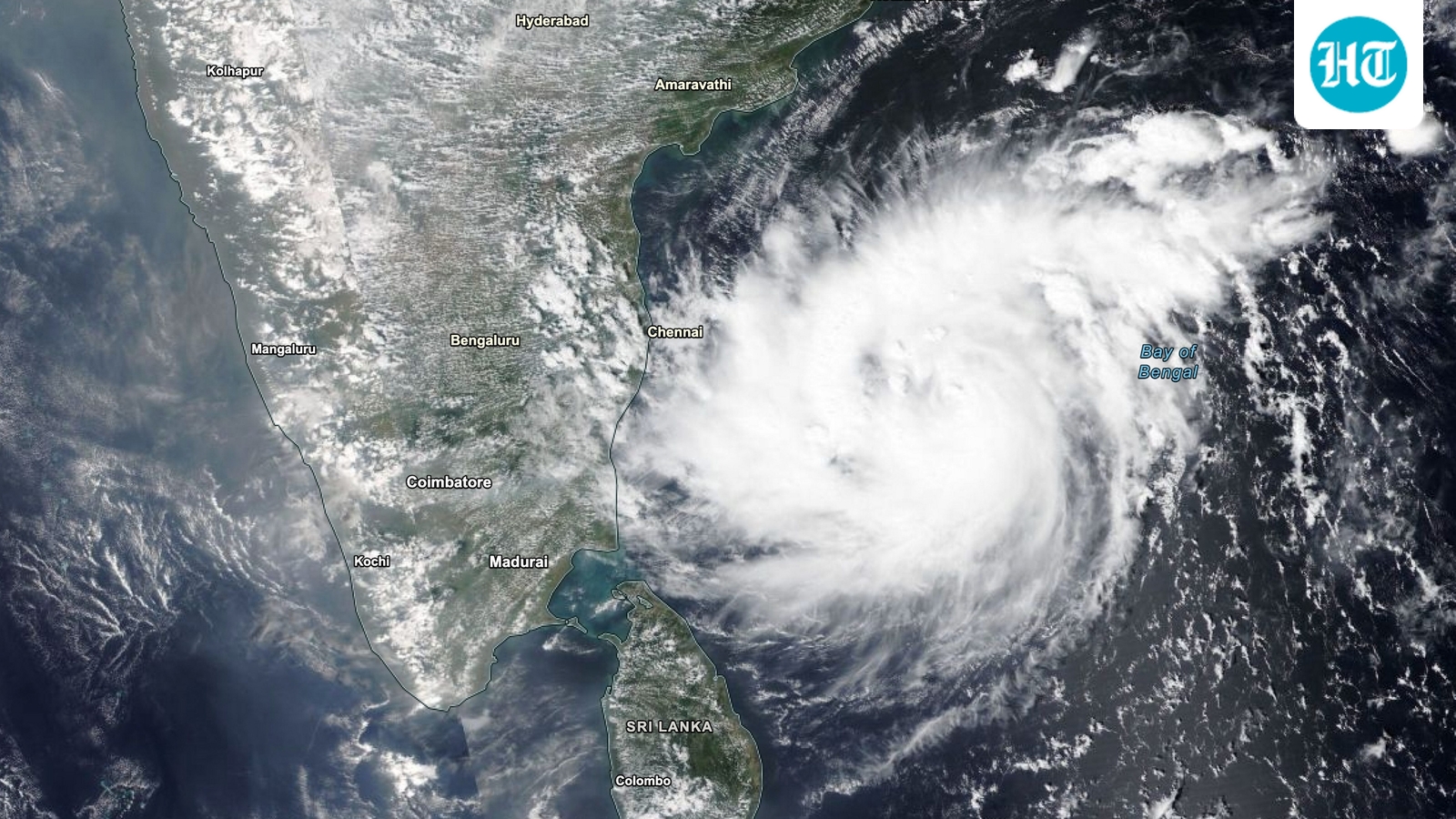
Odisha is on high alert as the India Meteorological Department tracks a new low-pressure system in the Bay of Bengal. This potential cyclone would be the state's third in three weeks following the impacts of Arnab and Murasu.
Odisha Faces Unprecedented Cyclonic Activity
Odisha is currently bracing for its third potential cyclone in just three weeks, a development that has put state officials and disaster management teams on high alert. According to the India Meteorological Department (IMD), a well-marked low-pressure area currently situated over the southeast Bay of Bengal is showing clear signs of rapid intensification. This weather system is expected to evolve into a depression within the next 24 hours before escalating into a full-fledged cyclonic storm by Monday.
The Meteorological Trajectory
The IMD has provided a clear technical outlook on the storm's path, noting that it is currently moving in a northwestward direction. As it traverses the central parts of the south and the adjoining west-central Bay of Bengal, the system is projected to gather significant strength. Meteorologists warn that the storm may further intensify into a severe cyclonic storm by Wednesday, which could pose significant challenges for emergency responders and coastal infrastructure already weakened by recent weather events.
Context of Recent Impacts
This impending threat arrives at a critical juncture for Odisha, which has already been battered by two separate cyclones—Arnab and Murasu—within the last fortnight. The compounding effect of these successive storms creates a volatile situation for the region. Soil saturation from previous rains, coupled with damaged infrastructure and fatigued disaster management resources, exacerbates the vulnerability of coastal populations who are once again preparing for the possibility of evacuation and emergency sheltering.
Challenges for Disaster Management
While the IMD has been precise in its tracking, the minister in charge noted that there is no definitive hint regarding the specific landfall area yet. This ambiguity complicates the state's logistical planning, as authorities must keep a broad swath of the coastline under constant surveillance. The lack of a confirmed landfall trajectory requires a proactive approach, where resources must be pre-positioned across multiple districts to ensure a rapid response regardless of where the storm eventually hits.
Future Trends and Implications
The frequency of these storms highlights an increasingly unpredictable climate pattern in the Bay of Bengal. For Odisha, a state historically prone to cyclones, the occurrence of three major weather events in such a short window underscores the need for enhanced long-term resilience. Moving forward, the focus will likely shift toward stronger early-warning systems, more robust infrastructure that can withstand repeated high-wind events, and a refined evacuation strategy that addresses the cumulative exhaustion of local communities.
Conclusion
As the IMD continues to monitor the intensification of the system toward a severe cyclonic storm, the focus remains on preparedness. The state government is operating with extreme caution, balancing the need for public safety against the logistical difficulty of managing back-to-back disasters. The coming days will be critical, as authorities wait for more definitive atmospheric data to finalize specific evacuation protocols for the threatened coastal regions.
Verification Required?