Delhi High Court Denies Bail To Councillor In Sanitary Worker's Suicide Case
Source Entity
NDTV News Search Records Found 1000
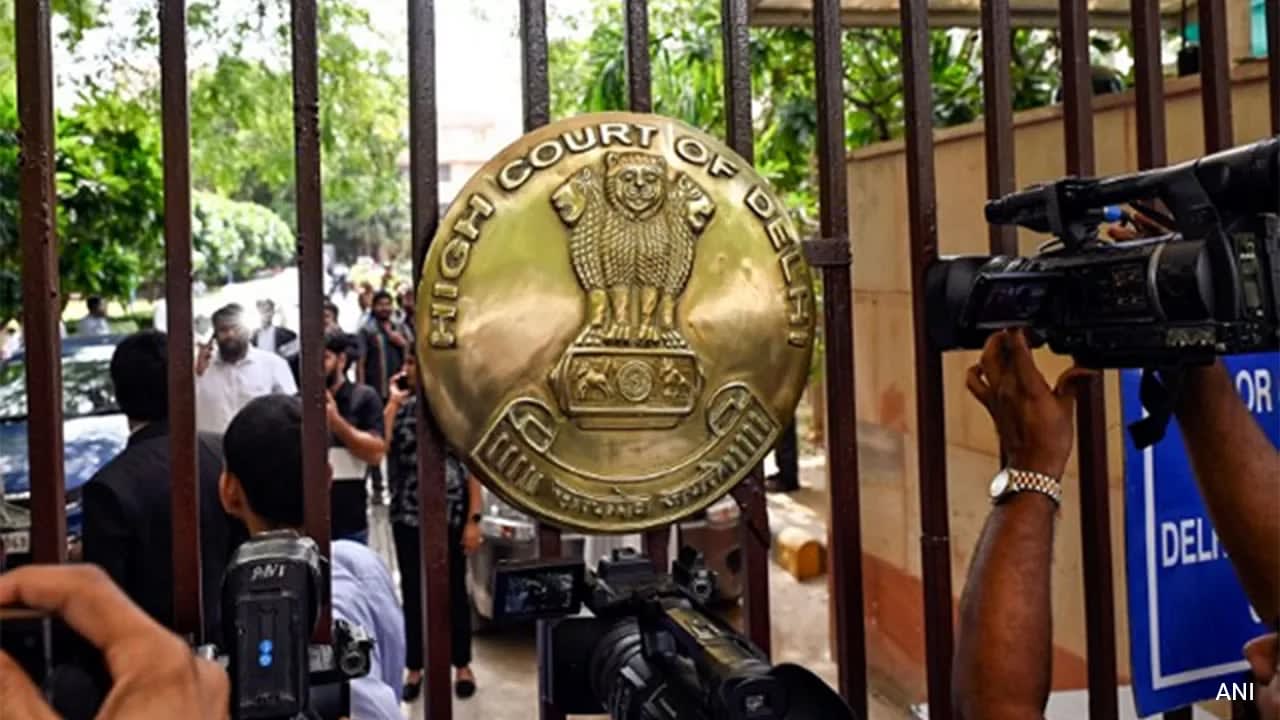
The Delhi High Court has denied bail to a local councillor implicated in the suicide case of a sanitary worker. The court reached this decision after carefully reviewing the arguments presented by the complainant.
Delhi High Court Denies Bail in Sanitary Worker Suicide Case
Judicial Oversight and Bail Adjudication
The Delhi High Court has formally denied a bail plea filed by a local councillor currently under investigation for the death of a sanitary worker. This judicial decision highlights the court's commitment to due process, particularly in cases involving allegations of abetment to suicide. By refusing to grant bail, the court has signaled the gravity of the charges and the necessity of ensuring that the judicial process remains unhindered by the influence of public officials.
The Role of the Complainant in Legal Proceedings
A critical factor in the court's decision-making process was the comprehensive submission provided by the complainant. In Indian criminal jurisprudence, the testimony and evidence presented by the complainant play a pivotal role in determining the strength of the prosecution's case. The court’s reliance on these submissions underscores the importance of the complainant’s role in ensuring accountability when public figures are accused of misconduct in the performance of their duties.
Implications of Public Official Misconduct
This case serves as a stark reminder of the ethical responsibilities incumbent upon elected representatives. When a councillor—a figure tasked with the welfare of their constituency—is linked to the death of a municipal worker, it raises significant questions regarding workplace safety and the power dynamics within local government bodies. The court's refusal to grant bail reflects a judicial stance that public office does not grant immunity from the rigors of criminal investigation.
Broader Context of Labor Rights and Safety
The incident involving the sanitary worker brings to the forefront the systemic challenges faced by municipal laborers in urban environments. Sanitary workers often operate in precarious conditions, and cases involving their exploitation or harassment frequently lead to intense public and legal scrutiny. By addressing this case with severity, the Delhi High Court reinforces the legal protections afforded to all workers, regardless of their status or the position of their alleged oppressors.
Future Legal Trajectory and Accountability
As the legal proceedings continue, the focus will likely shift toward the evidentiary burden required to prove the allegations of abetment. The denial of bail is merely an interlocutory step, but it sets a precedent for the ongoing investigation. The judiciary's firm stance ensures that the investigation into the councillor’s conduct will proceed without the potential for interference, fostering public confidence in the legal system's ability to hold those in power accountable for their actions.
Conclusion
In summary, the Delhi High Court’s decision to deny bail in this matter is a significant development in a case that touches upon both criminal law and the protection of vulnerable workers. By prioritizing the submissions of the complainant and upholding the investigative process, the court has underscored the principle that justice must be pursued impartially, irrespective of the defendant's political standing.
Verification Required?