Owner of minibus in Assam accident that killed 26 arrested
Source Entity
India Latest News: Top National Headlines Today & Breaking News | The Hindu
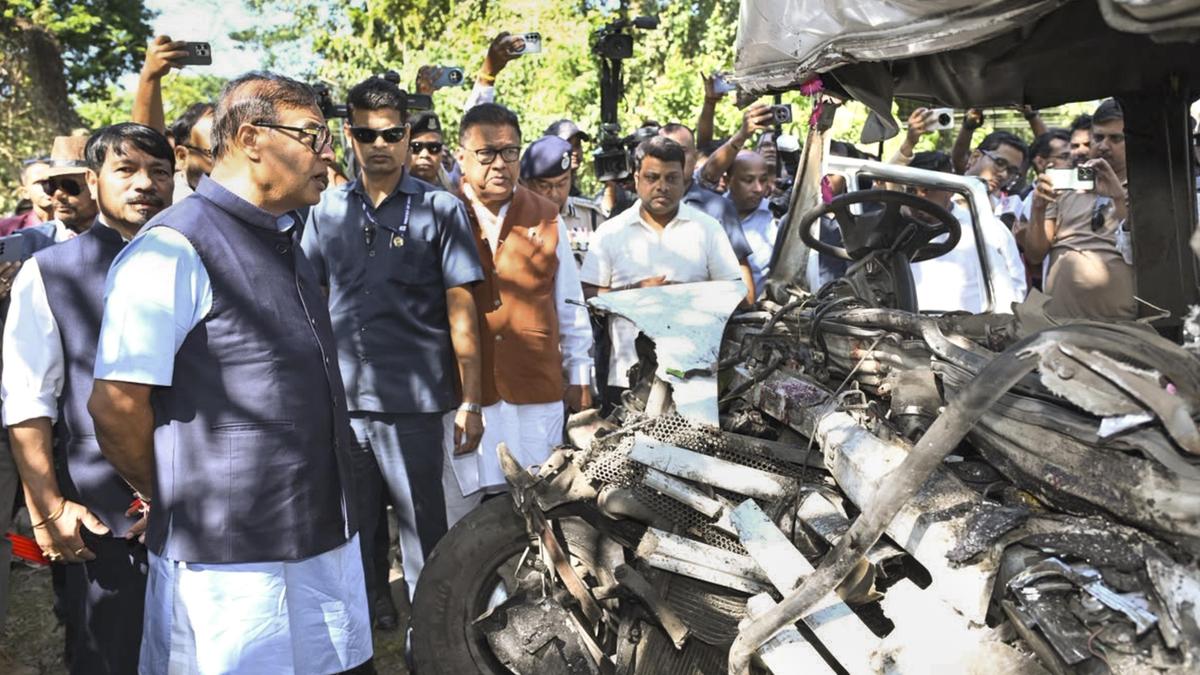
Authorities in Assam have arrested minibus owner Anjir Ali following a tragic collision near Kaziranga that killed 26 people. Investigations reveal the vehicle's speed governor was intentionally removed to increase trip frequency, prompting calls for improved road safety infrastructure.
Tragedy Near Kaziranga: A Failure of Safety and Regulation
On November 13, 2026, a devastating head-on collision between a minibus and a container truck near Kaziranga National Park in Assam’s Golaghat district resulted in the tragic loss of 26 lives. The victims included the 64-year-old driver and several college students, while 15 others remain in critical condition across hospitals in Jorhat and Golaghat. This catastrophic event has cast a harsh spotlight on the systemic failures regarding commercial vehicle safety and highway management in the region.
Criminal Negligence and Regulatory Evasion
Following the accident, police investigations led to the arrest of Anjir Ali, the owner of the minibus, in the Nagaon district. Senior Superintendent of Police Swapnanil Deka confirmed that the investigation uncovered a deliberate attempt to bypass safety protocols. The minibus had its mandatory speed-limiting device removed—a modification performed by the owner and driver specifically to allow the vehicle to travel faster and log more trips for illicit financial gain. This act of corporate and personal negligence stands as a primary contributor to the severity of the collision.
Infrastructure and Accountability Concerns
Beyond the immediate criminal actions of the vehicle owner, the incident has ignited a broader political debate regarding the state of public infrastructure. Assam Congress leader Debabrata Saikia has formally petitioned Prime Minister Narendra Modi, highlighting the "deplorable condition" of National Highway-715. Saikia’s letter alleges a disturbing level of neglect by authorities regarding essential road safety measures, maintenance, and traffic management, which he argues may have exacerbated the conditions that led to such a high death toll.
The Human and Economic Cost
The human cost of this tragedy extends far beyond the immediate loss of life. With 15 survivors still battling for their lives, the need for comprehensive medical support is paramount. Saikia has urged the central government to provide enhanced compensation, free medical treatment for the injured, and livelihood assistance for the families of the 26 deceased. This appeal underscores the economic vulnerability of the victims' families, who now face the dual trauma of bereavement and potential financial ruin.
Future Trends and Policy Implications
This incident serves as a grim case study for the urgent need for stricter enforcement of commercial vehicle compliance. The practice of tampering with speed governors is a known issue in the logistics and transport sector, often driven by the pressure to maximize revenue at the expense of passenger safety. Moving forward, authorities will likely face pressure to implement more rigorous, periodic inspections of commercial fleets and to overhaul the safety engineering of National Highway-715 to prevent future occurrences.
Conclusion
The collision near Kaziranga is a stark reminder of the intersection between greed-driven mechanical tampering and failing public infrastructure. As the legal proceedings against Anjir Ali progress, the focus must remain on ensuring justice for the victims while addressing the systemic neglect that allowed a modified, unsafe vehicle to operate on a critical highway. The government's response to the call for better road maintenance and victim support will be a defining test of its commitment to public safety.
Multiple Citing Sources
Verification Required?