Telangana Women’s Commission issues notices to eight ART centres in illegal oocyte racket case
Source Entity
India Latest News: Top National Headlines Today & Breaking News | The Hindu
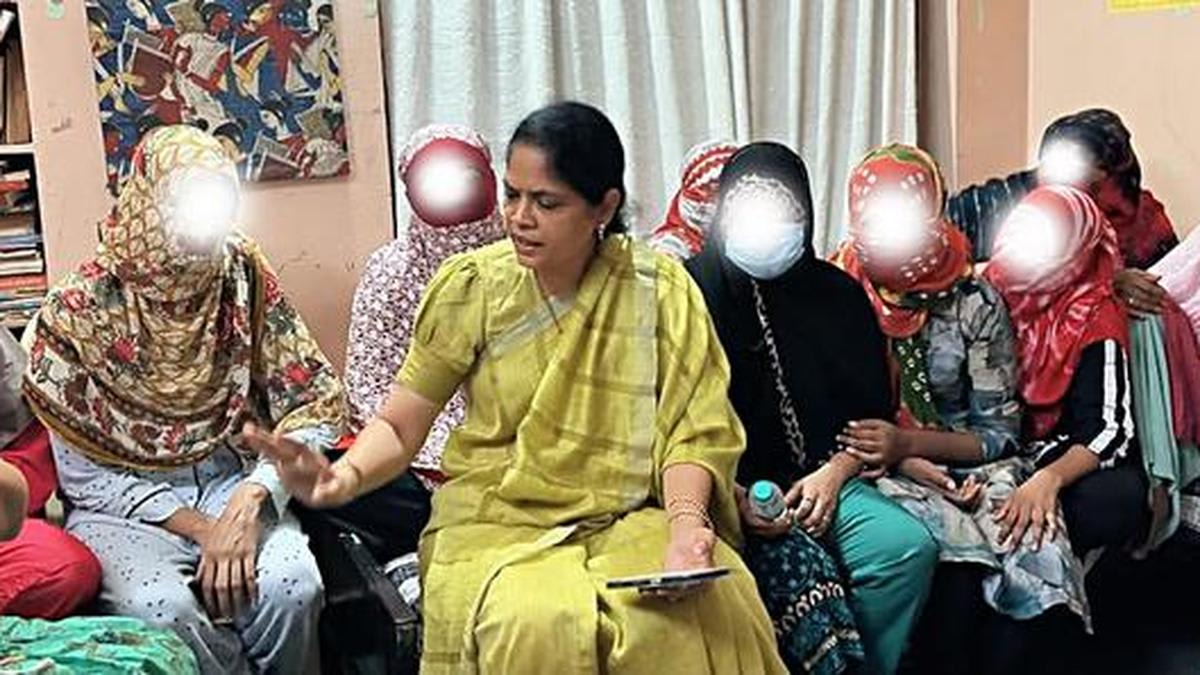
The Telangana State Women’s Commission has launched an investigation into eight ART centers in Hyderabad over allegations of an illegal oocyte donation racket. The inquiry was paused after institutions failed to send senior management to the scheduled hearing.
Investigation into Hyderabad's ART Sector
The Telangana State Women’s Commission (TGSCW) has launched a significant inquiry into the operations of eight Assisted Reproductive Technology (ART) centres and egg banks located in Hyderabad. This investigation stems from allegations of an illegal oocyte donation racket, raising serious concerns regarding the ethical and regulatory compliance of reproductive health facilities in the region. By issuing formal notices, the Commission is signaling a move toward stricter oversight of the fertility industry.
Regulatory Breaches and Transparency Concerns
The core of the investigation centers on suspected irregularities within donor records and procurement practices. In the highly sensitive field of ART, transparency is paramount to prevent exploitation and ensure that donors are not coerced or misled. The TGSCW’s intervention suggests that current monitoring mechanisms may have been bypassed, potentially leading to a black-market ecosystem that undermines the legal frameworks governing egg donation in India.
Accountability and Institutional Compliance
A notable development in this probe occurred on Friday, November 13, when representatives from the eight institutions were summoned for questioning. The TGSCW Chairperson, Nerella Sharada, expressed significant dissatisfaction with the response from these centers. Despite specific directives for senior management to attend in person, several institutions sent junior staff, which the Commission viewed as a lack of cooperation and a disregard for the gravity of the allegations.
The Impact of Non-Compliance
The decision to adjourn the inquiry until the senior management of these institutions appears underscores the Commission’s commitment to holding leadership accountable. When management fails to engage directly with regulatory bodies, it often points to a systemic attempt to distance the decision-makers from the operational failures or illegal practices occurring on the ground. This standoff highlights the challenges regulators face in enforcing transparency within private medical sectors.
Broader Implications for Reproductive Health
This incident brings to light the broader implications for the reproductive health sector in Telangana. As the demand for fertility treatments grows, the pressure on ART centers to secure oocytes increases, creating a potential opening for unethical practices. The TGSCW’s actions serve as a warning to other facilities that the state is actively monitoring for exploitation. If the allegations are substantiated, it could lead to the revoking of licenses and a massive overhaul of how egg banks are audited.
Future Trends and Oversight
Looking forward, this case is likely to set a precedent for how the state handles complaints against fertility clinics. By forcing management to appear, the TGSCW is setting a standard for institutional accountability. Future trends in this sector will likely include more stringent reporting requirements and mandatory periodic audits to ensure that the human rights of donors are protected, and that medical institutions adhere strictly to the legal guidelines governing Assisted Reproductive Technology.
Verification Required?