How AIIMS doctors operated on unborn baby to repair spinal defect: All you need to know
Source Entity
Tabshir Shams
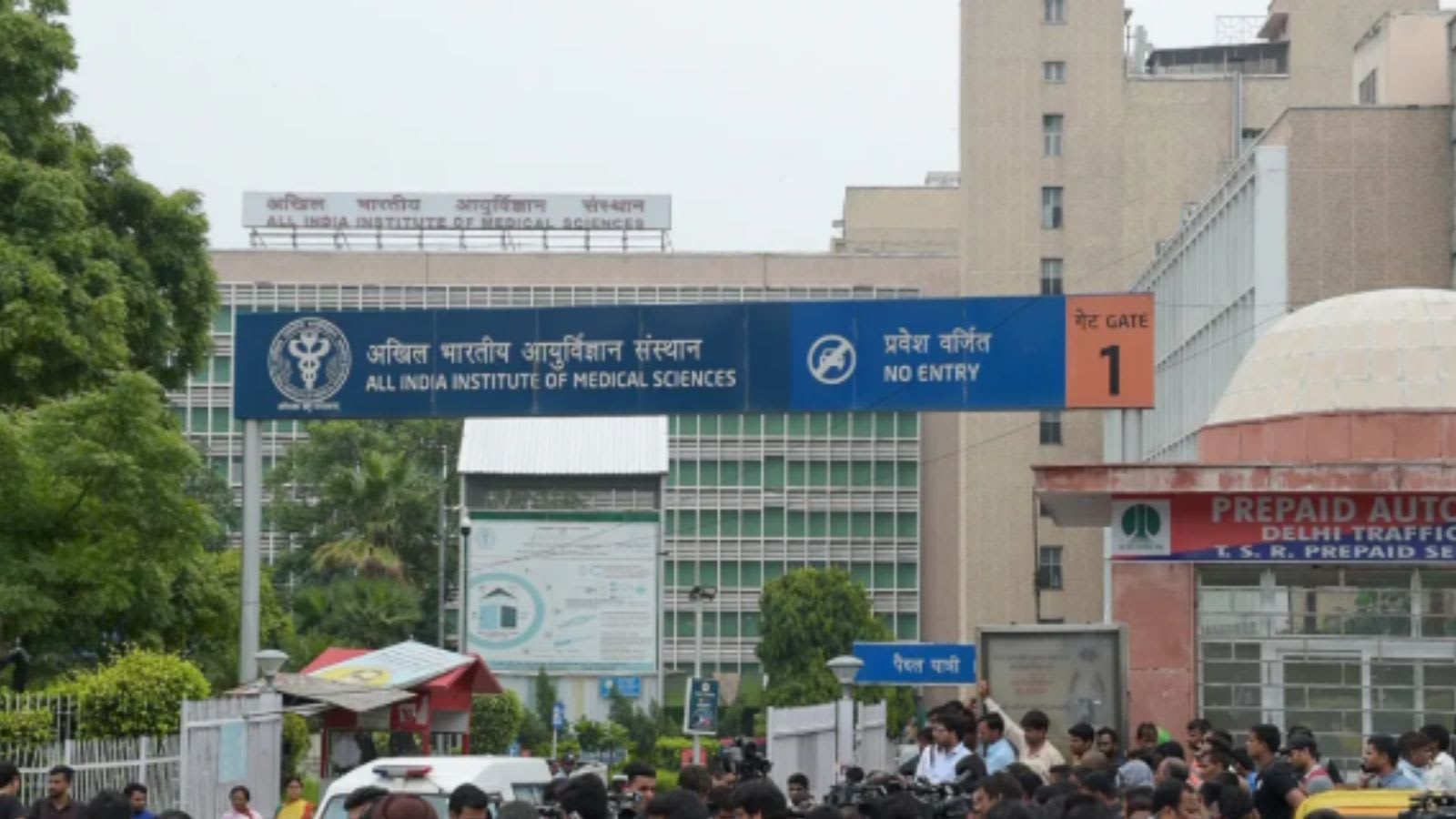
AIIMS Delhi has successfully performed India's first open fetal surgery to repair a severe spinal defect known as myelomeningocele. This complex six-hour procedure marks a historic milestone in domestic maternal-fetal medicine.
A Historic Milestone in Indian Fetal Surgery
The All-India Institute of Medical Sciences (AIIMS) in New Delhi has achieved a monumental breakthrough in medical science by successfully performing India’s first open fetal surgery. This complex procedure, aimed at correcting a lumbosacral myelomeningocele—the most severe form of spina bifida—represents a significant evolution in the country's surgical capabilities. By intervening while the fetus is still in the womb, medical professionals are shifting the paradigm from postnatal treatment to prenatal intervention, potentially altering the lifelong health trajectory of the child.
Understanding the Medical Challenge
Myelomeningocele is a debilitating congenital condition that occurs when the neural tube fails to close properly during the first month of pregnancy. This failure results in the spinal cord and its protective membranes protruding through a gap in the backbone. If left untreated, this defect often leads to severe complications, including permanent paralysis, cognitive impairment caused by fluid accumulation in the brain (hydrocephalus), and chronic neurological dysfunction. Addressing this at 25 weeks of gestation is critical to preventing further damage caused by the exposure of the spinal nerves to amniotic fluid.
The Complexity of a Six-Hour Procedure
Executing such a procedure is an immense logistical and surgical feat. The operation, which required over five weeks of rigorous planning, involved a multidisciplinary team of more than 30 experts, including neurosurgeons, maternal-fetal medicine specialists, and specialized nursing staff. Led by Dr. Deepak Gupta, the team had to navigate the delicate balance of performing a major neurosurgical intervention while ensuring the stability of both the mother and the fetus throughout the six-hour window.
Implications for Maternal-Fetal Medicine
This successful surgery signals a new era for maternal-fetal medicine in India. Historically, patients requiring such advanced prenatal interventions often had to seek care abroad or rely on postnatal surgeries, which are less effective at reversing the neurological damage already sustained in utero. By establishing the infrastructure and expertise to perform open fetal repairs domestically, AIIMS is paving the way for more accessible, high-stakes neonatal care within the country.
Future Trends and Clinical Outlook
Following the procedure, the mother and fetus are currently under close medical supervision to monitor for recovery and developmental progress. The success of this surgery serves as a proof-of-concept for similar high-risk interventions in the future. As medical technology and surgical techniques continue to advance, the ability to repair structural defects before birth will likely become a more integrated component of high-risk obstetric care, ultimately improving survival rates and quality of life for children born with severe spinal anomalies.
Multiple Citing Sources