
Prerequisites for the Biometric Stack
Building a pro-grade recovery protocol requires a departure from the tradition of listening to your body. While intuitive feel has its place, it is notoriously unreliable when dealing with high-performance thresholds or post-surgical rehabilitation. To move toward a clinical standard, you need a hardware stack that captures both systemic stress and specific neuromotor output. This means moving beyond a simple step-counter and into devices that monitor heart rate variability (HRV), sleep architecture, and real-time kinetic data. The goal is to replace the guesswork of a coach's instinct with a hard data stream that indicates exactly when an athlete is ready to push and when they must retreat.
- High-fidelity wearable (e.g., Whoop for clinical-grade strain/recovery or Oura Ring 5 for baseline sleep and durability)
- Neuromotor tracking software (focused on deficit resolution rather than symptom reporting)
- A calibrated pain-threshold log for mapping 'workable' vs 'persistent' pain
- Range of motion (ROM) measurement tools, specifically for joint flexion benchmarks
The distinction between 'casual' and 'pro' gear is critical. For instance, the Oura Ring 5 serves as a durable, lightweight baseline for general health, yet it may lack the granular fitness detail required for an athlete in the middle of a high-intensity rehabilitation cycle. Conversely, platforms like Whoop have moved into clinical territory, partnering with firms like Kinomatic to track joint replacement recovery over 12-week pilot programs. This shift demonstrates that the hardware is now capable of measuring range of motion in knee and hip flexion to reduce opioid reliance and accelerate return-to-play timelines. If your stack cannot provide this level of specificity, you are merely tracking activity, not recovering performance.
The Execution Protocol
Execution is where most athletes fail. They collect data but do not act on it. A professional protocol treats biometric data as a hard constraint, not a suggestion. This requires a phased approach that first establishes a biological baseline and then introduces stress in a controlled, measured manner. Why do so many athletes return to injury? Because they clear themselves based on the absence of symptoms rather than the resolution of the underlying deficit. By focusing on neuromotor control and brain performance scores, you can identify if the neural pathways are actually restored before the physical load is applied.
- Establish a 14-day biometric baseline: Track HRV and sleep quality to determine your systemic recovery floor. Do not introduce new training loads until your recovery score stabilizes.
- Map the neuromotor gap: Use tracking tools to measure actual movement deficits. Compare these against your symptoms to ensure you aren't 'feeling' recovered while your motor control remains impaired.
- Identify the pain 'Sweet Spot': Implement a daily log to distinguish between pain that can be worked through and pain that persists. According to industry insights from Flowers, the goal is to train to the point of physical fatigue or endurance building without crossing into persistent pain.
- Synchronize real-time safety overlays: If using specialized gear, such as ASIST-enabled helmets from Saturn Sports, ensure real-time data is being monitored by support staff to prevent catastrophic failure during the return-to-play phase.
- Iterate based on clinical outcomes: Every 21 days, measure specific markers—such as knee or hip flexion range of motion—to validate that the biometric data correlates with actual physical improvement.
The integration of neuromotor tracking is perhaps the most overlooked element of this process. As highlighted by recent shifts in brain health infrastructure, many rehabilitation providers clear patients based on a stopwatch or a feeling. This is a dangerous gamble. By employing integrated neuromotor tracking, you can prove clinical outcomes. Does the athlete have the cognitive and motor coordination to handle pressure, or are they relying on muscle memory that masks a lingering deficit? The answer lies in the data, not the instinct of the trainer.
Clinical Validation
The 'Restore' model used in joint replacement pilots proves that data-informed recovery can directly reduce the need for opioids and speed up the timeline for returning to full mobility.
Once the baseline is set, the focus shifts to the relationship between pain and endurance. Most athletes either stop at the first sign of discomfort or push through a level of pain that leads to chronic setback. The professional approach is clinical: work the edge. This involves pushing to the point of fatigue where the body is forced to adapt, but backing off the moment the pain becomes persistent. This creates a feedback loop where the athlete learns the precise boundary of their current capacity.
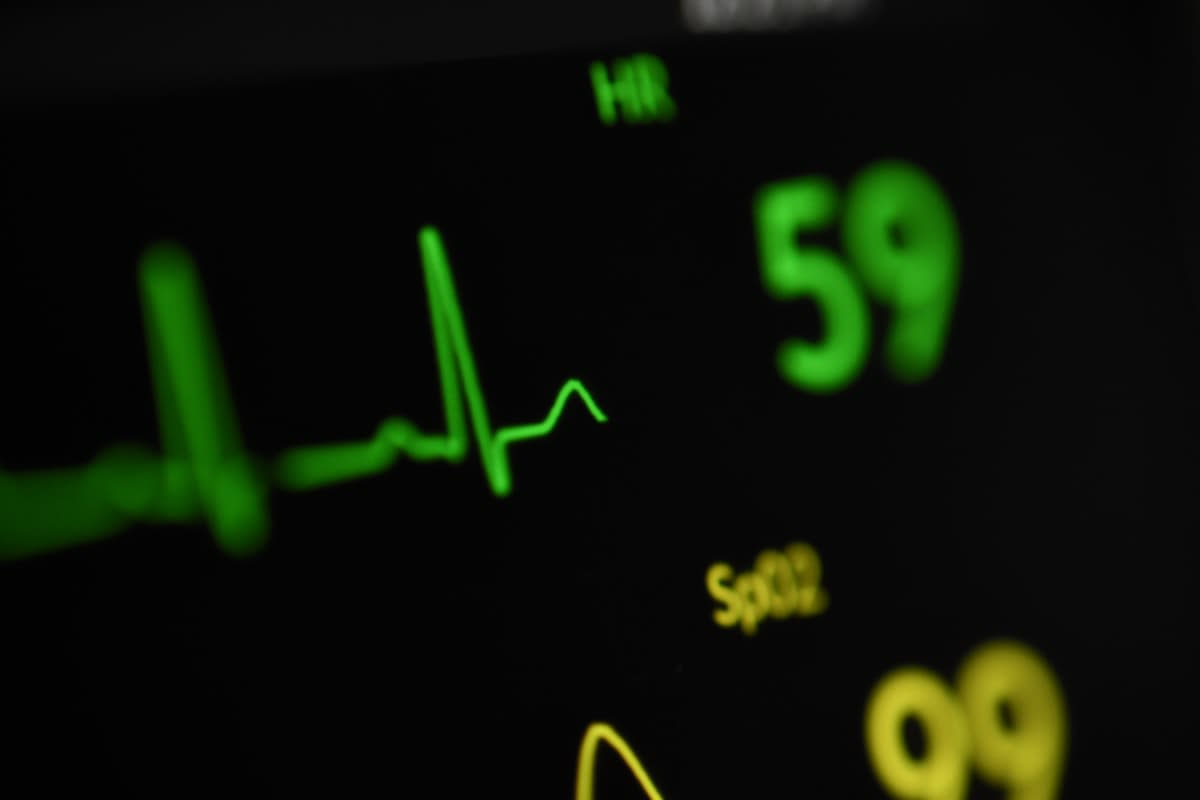
To scale this without a lab, you must adopt the mindset of a data analyst. Use your wearables not to see how you slept, but to see how your sleep affects your power output the next day. If your Oura Ring 5 shows a dip in recovery, you don't just 'feel' tired; you adjust the load of your session by a specific percentage. This is the difference between a hobbyist and a professional. You are managing a biological system, and every system requires a feedback loop to optimize performance.
| Metric | Instinct-Based Approach | Biometric Protocol |
|---|---|---|
| Return to Play | Based on absence of pain | Based on neuromotor deficit resolution |
| Load Adjustment | Based on 'feeling tired' | Based on HRV and sleep architecture |
| Pain Management | Push through or stop entirely | Calibrated 'Sweet Spot' of fatigue |
| Success Marker | Subjective confidence | Clinical ROM and brain performance scores |
Common Pitfalls in DIY Biometrics
The most frequent error is the 'Casual Tracker Trap.' Many users assume that owning a smart ring or a watch constitutes a recovery protocol. However, as seen with the Oura Ring 5, some devices are optimized for general wellness rather than high-detail fitness analytics. If you rely on a casual tracker to determine the readiness of a surgically repaired ACL, you are ignoring the gap between systemic recovery and local joint stability. You cannot substitute a general health score for a specific clinical outcome.
Another critical failure is the Symptom Fallacy. This occurs when an athlete feels great and assumes the underlying injury is resolved. Neuromotor tracking reveals that the brain often finds 'workarounds' to bypass a deficit, allowing the athlete to perform without pain while the original weakness persists. This is why the integrated neuromotor tracking mentioned by HIT Consultant is vital; it proves whether the underlying deficit is actually resolved or if the athlete is simply compensating. Compensation is the precursor to the next, often more severe, injury.
"The sports organization has to decide, in real time, whether an athlete is truly ready to perform under pressure, often with little more than instinct and a stopwatch."— HIT Consultant Analysis
Finally, avoid the trap of data paralysis. Collecting a thousand data points is useless if they don't lead to a specific action. A pro-grade protocol is lean. It identifies three to five key markers—such as HRV, neuromotor score, and ROM—and uses them to make binary decisions: push or pull back. The goal is not to have the most data, but to have the most actionable data. When the biometric stream aligns with clinical markers, you no longer need a million-dollar lab to know you are ready for the gridiron.