#simulated decay
Discover 6 curated intelligence briefings related to this specific topic.

Steel Ghosts: Mapping Physical Infrastructure Vulnerabilities
Physical data centers and Cold War ruins reveal a dangerous pattern of vulnerability. This guide examines the fragility of modern AI hubs and legacy bunkers, using data from current conflicts and historical archives.
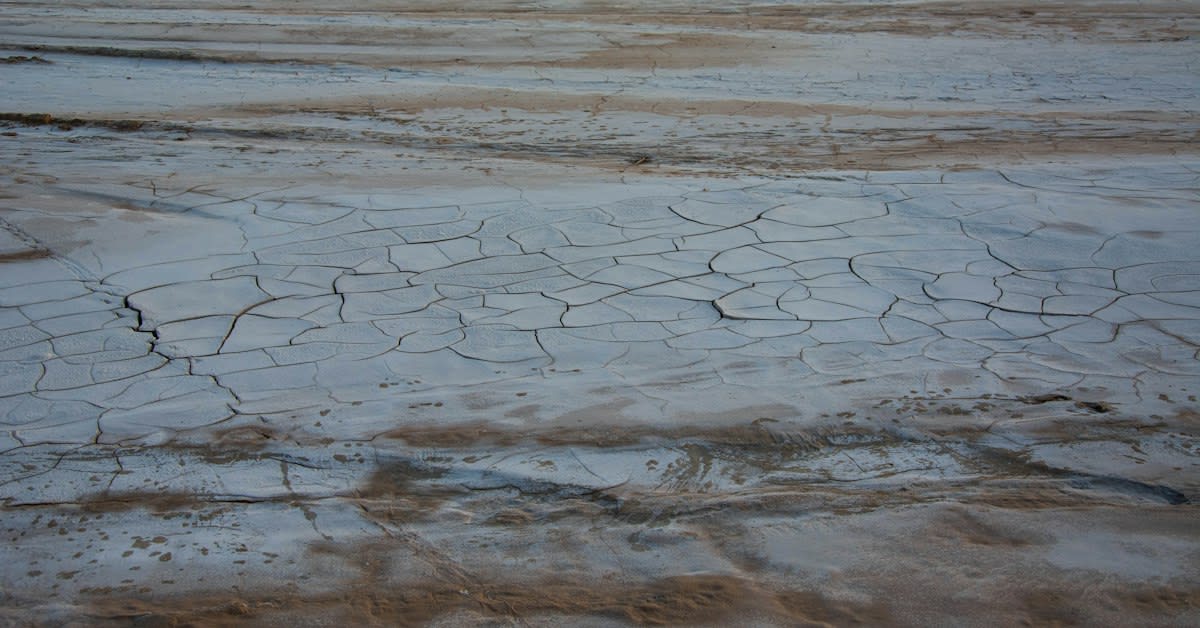
White Dust Rising
Salt storms are accelerating across emerging hubs, turning fertile soil into silica-dry wastes and triggering an agricultural crisis in the Global South.

Concrete Eternal: The Roman Blueprint
A tactical guide to implementing Roman 'Hot Mixing' and self-healing concrete protocols to extend infrastructure lifespan by 50% and slash CO2 emissions.

The Nitrogen Ledger: Trading Chemical Dependence for Biological Capital
In the industrial fringes of India and Southeast Asia, the reliance on synthetic nitrogen has stripped the earth of its vitality. A cynical analysis of the shift toward biological nitrogen restoration reveals a clash between corporate yield targets and physical reality.

The Great Flattening: How Design Systems Killed the Digital Soul
90% of top-tier SaaS landing pages now utilize the same three-column layout and rounded-corner buttons. This is not an accident of taste. It is a calculated hedge against user friction designed to prioritize conversion over cognition.

The Friction Premium: Why Flawless AI Art is Dying
A boutique creative agency in Seoul recently spent forty hours training a custom LoRA model specifically to introduce light leaks and chromatic aberration into their renders. They weren't fixing a bug; they were fighting the machine's obsession with perfection.