Prerequisites for Tropical Edge Deployment
Jakarta air is thick. Moisture clings to every metallic surface. Copper traces dissolve into green crust within months. Hardware fails without a physical barrier. You cannot fight the atmosphere with software updates. Only a hermetically sealed enclosure prevents the inevitable dielectric breakdown of the motherboard.
Avalue industrial PCs provide the necessary hardware baseline. Their platforms utilizing Intel Core Ultra and Intel Panther Lake processors are critical. These chips prioritize energy efficiency to lower the thermal footprint. Lower heat means the internal air of a sealed unit stays stable. This stability prevents the vacuum effect that sucks humid air through microscopic seal gaps during cooling cycles.
- Avalue Industrial PC with Intel Panther Lake integration
- IP67-rated hermetic chassis with reinforced gaskets
- Industrial-grade thermal interface material (TIM) for heat dissipation
- Isolated electrical power supply with surge protection
- Humidity sensors for internal atmospheric monitoring
The Humidity Trigger
Standard commercial hardware is a liability in Jakarta. High humidity, similar to the dangerous levels seen in July 2026 heatwaves where indices hit 115F, triggers rapid condensation. This liquid water bridges circuit paths, leading to immediate short-circuits and permanent silicon death.
Implementing the Hermetic Seal
Sealing is a mechanical process. Air must be purged before the final closure. Any trapped humidity becomes a ticking bomb. Temperature swings cause this internal moisture to condense directly onto the CPU heat sink. This creates a conductive film that bridges power rails.
- Select an Avalue platform with the lowest possible TDP to minimize internal heat accumulation.
- Clean all chassis mating surfaces with isopropyl alcohol to remove oils that degrade gasket seals.
- Install the motherboard using non-corrosive standoffs to prevent galvanic corrosion.
- Apply a high-density thermal pad between the processor and the external aluminum chassis for passive cooling.
- Seal the enclosure using a torque-controlled driver to ensure uniform pressure across the gasket.
- Verify the seal integrity using a pressure decay test to ensure no air exchange occurs.
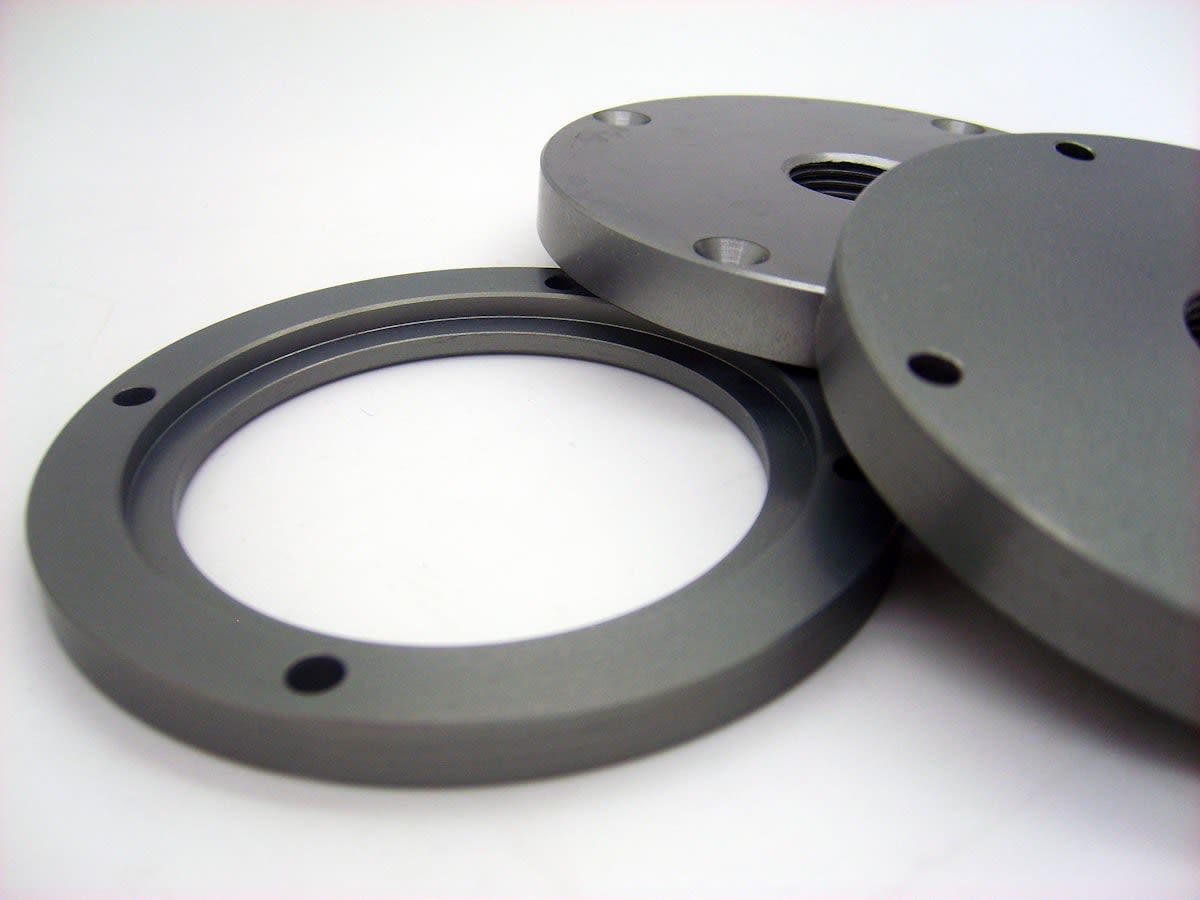
Passive cooling is the only reliable method. Fans are failure points. They pull in moist air and push it across hot components. This creates a localized steam chamber. An aluminum chassis acts as the primary heat sink, dumping thermal energy directly into the environment without compromising the seal.
Efficiency is the secret weapon. Avalue's focus on sustainable operations and low-power embedded platforms reduces the cooling burden. Intel Panther Lake processors allow for high performance without the massive heat spikes of previous generations. Less heat means less expansion and contraction of the seal materials, extending the lifespan of the hardware.
| Component | Standard Edge Hardware | Hermetic Avalue Setup |
|---|---|---|
| Cooling | Active Fans (Air Intake) | Passive Aluminum Chassis |
| PCB Protection | Conformal Coating (Optional) | Hermetic Air-Tight Seal |
| CPU Platform | High TDP Consumer Grade | Intel Core Ultra (Low Power) |
| MTBF in Humidity | 3-6 Months | 5-7 Years |
Electrical stability is the final pillar. Power is the physical foundation of the AI iron triangle. Computing, transport, and storage power all rely on a clean electrical feed. Jakarta's grid is notorious for instability. A surge protector is not enough. You need an isolated power stage to prevent voltage spikes from jumping across moisture-compromised capacitors.
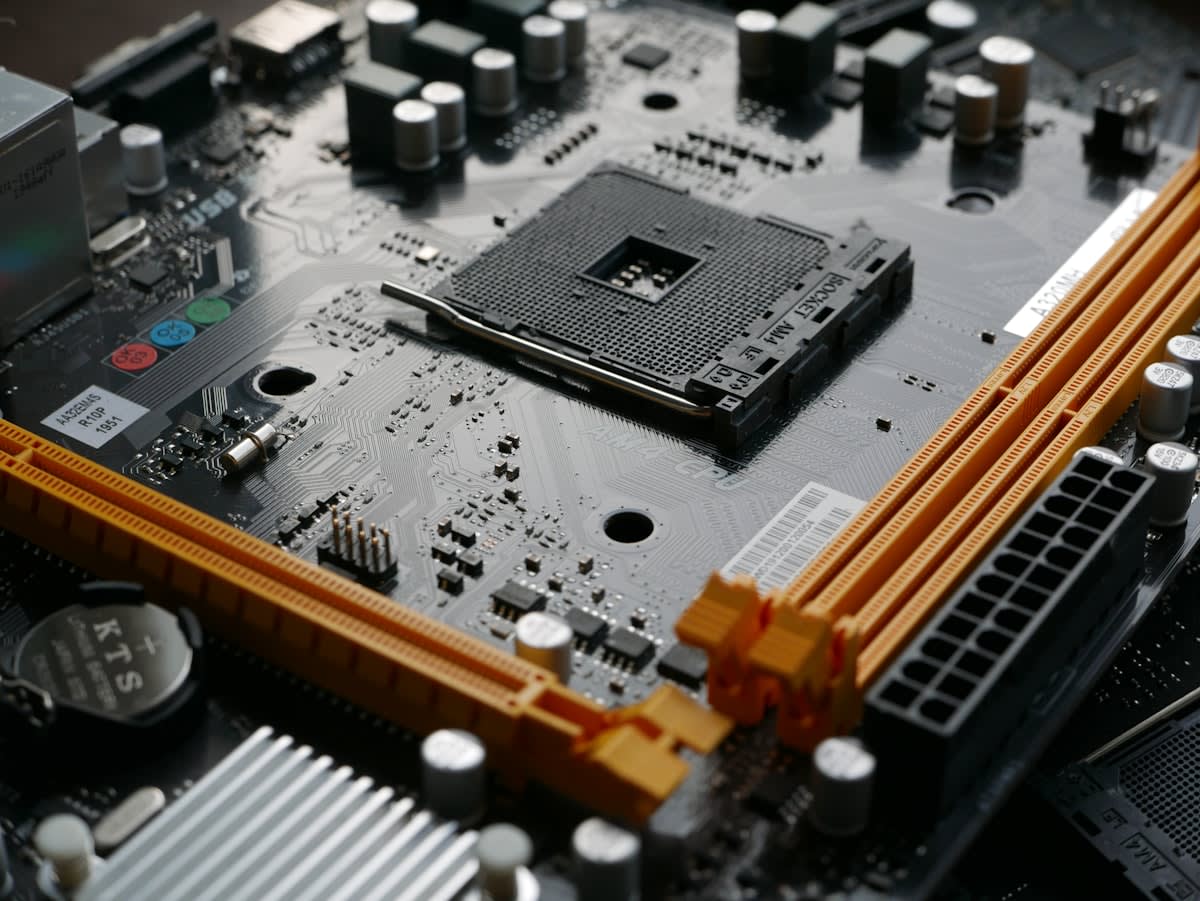
Transport power requires shielded cabling. Moisture can seep into cable jackets through capillary action. This carries water directly into the sealed enclosure via the ports. Use marine-grade connectors. These connectors lock out humidity at the entry point, ensuring the internal environment remains dry.
Common Pitfalls
Condensation is the silent killer. Many technicians seal the unit in a humid room. This traps moisture inside. When the unit cools down at night, that moisture liquefies. It settles on the most conductive parts. The result is a dead board on the first morning of operation.
Thermal trapping is a common error. Sealing a high-TDP processor without a direct thermal path to the chassis creates an oven. The silicon throttles to 10% performance. Eventually, the heat degrades the gasket. The seal fails, and the humid air rushes in to finish the job.
Over-tightening bolts ruins the gasket. Crushing the seal creates gaps. These gaps are invisible to the eye. They allow vapor to penetrate. Use a calibrated torque wrench to maintain the seal's structural integrity over years of thermal cycling.
"Computing power, transport power, storage power, and electrical power intertwine to form a network. Electricity is the physical foundation supporting all of this."— AI Era Technical Report
Storage power is equally vulnerable. SSDs in humid environments suffer from solder joint oxidation. A hermetic seal protects the NAND flash and controller from the salty air of coastal Jakarta. Without this, data corruption occurs as the physical connections degrade.
Failure is expensive. Replacing a dead edge node in a remote facility costs more than the hardware itself. Logistics in Jakarta are a nightmare. A sealed Avalue system reduces the need for field visits. It transforms the hardware from a disposable asset into a long-term infrastructure component.