Carbon captures fuel life. 90 percent of traditional agriculture relies on soil, but gas fermentation removes that requirement entirely (Source: Nature, 2020). This method utilizes hydrogenotrophic microbes to synthesize protein from CO2 and hydrogen. By bypassing the need for arable land, the process allows for protein production in any environment with electricity and air. Such a move reduces the reliance on volatile weather patterns and soil degradation.
Hardware Prerequisites
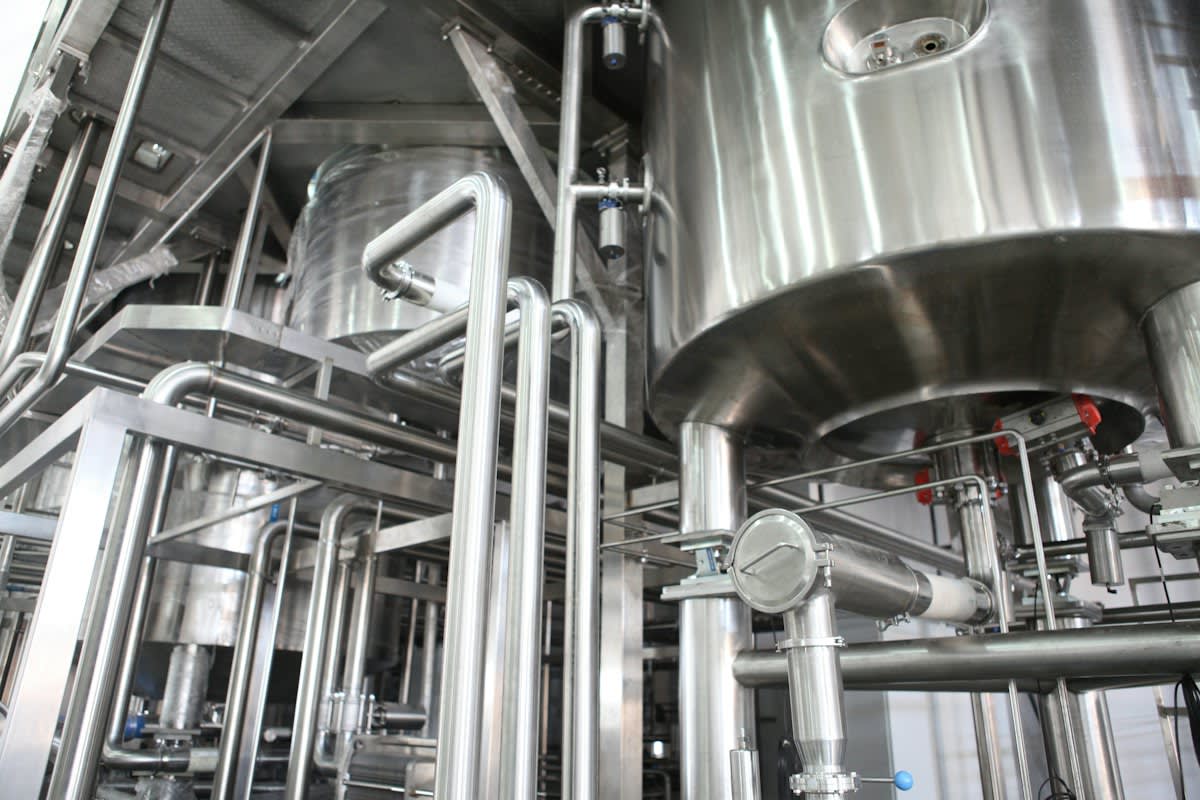
Building an air protein facility requires a specific array of industrial equipment to manage gas flow and biological stability. Direct Air Capture (DAC) units are essential for scrubbing CO2 from the atmosphere to provide the primary carbon source. Electrolyzers are needed to split water into oxygen and hydrogen, providing the energy-rich feedstock the microbes consume. Stainless steel bioreactors must be airtight to prevent contamination and maintain a precise internal pressure. Finally, industrial centrifuges are required to separate the microbial biomass from the fermentation broth.
Energy sourcing is the most vital component of the hardware stack. To maintain a carbon-negative footprint, the facility must draw from renewable grids or on-site solar arrays. In regions like Nairobi, the high solar irradiance makes photovoltaic systems the most viable option for powering the energy-intensive electrolysis process. Without a stable, green energy source, the carbon footprint of producing the hydrogen would outweigh the carbon captured by the microbes. This energy balance determines the overall viability of the operation (Source: IPCC, 2022).
The Production Sequence
- Gas Feedstock Acquisition: Use DAC systems to capture CO2 and electrolyzers to produce H2 gas.
- Microbial Inoculation: Introduce specific strains of hydrogenotrophic bacteria into the sterile bioreactor.
- Fermentation Cycle: Feed the microbes a precise mixture of CO2, H2, and oxygen while maintaining optimal temperature and pH.
- Biomass Harvesting: Use centrifugation to isolate the protein-rich microbial cells and dry them into a powder.
The biological engine of this process is the hydrogenotrophic microbe. These organisms do not need sunlight or sugar; they eat gas. The intricate metabolic pathway allows them to fix carbon from CO2 using the energy derived from hydrogen oxidation. This results in a protein powder that is chemically similar to traditional animal or plant proteins but produced in a fraction of the time. Efficiency rates can reach 20 grams of protein per liter of fermentation broth (Source: Nature, 2020).
"Air protein can reduce land use by 100 percent because it removes the need for crops, livestock, and soil entirely."— Air Protein, Corporate Technical Report, 2021
Operating a gas fermentation plant feels like managing a living machine. Static-heavy air vibrates through the facility, mixing with the sulfur-stinging scent of processed feedstocks. Engineers argue over the precise flow rate of hydrogen, knowing a slight deviation can crash the entire microbial colony. Zinc-flavored condensation drips from the overhead pipes, creating slippery paths across the oil-slicked floor. This is not a clean lab experiment; it is a grit-choked battle against biological instability.

Regional Implementation: Nairobi and Lagos
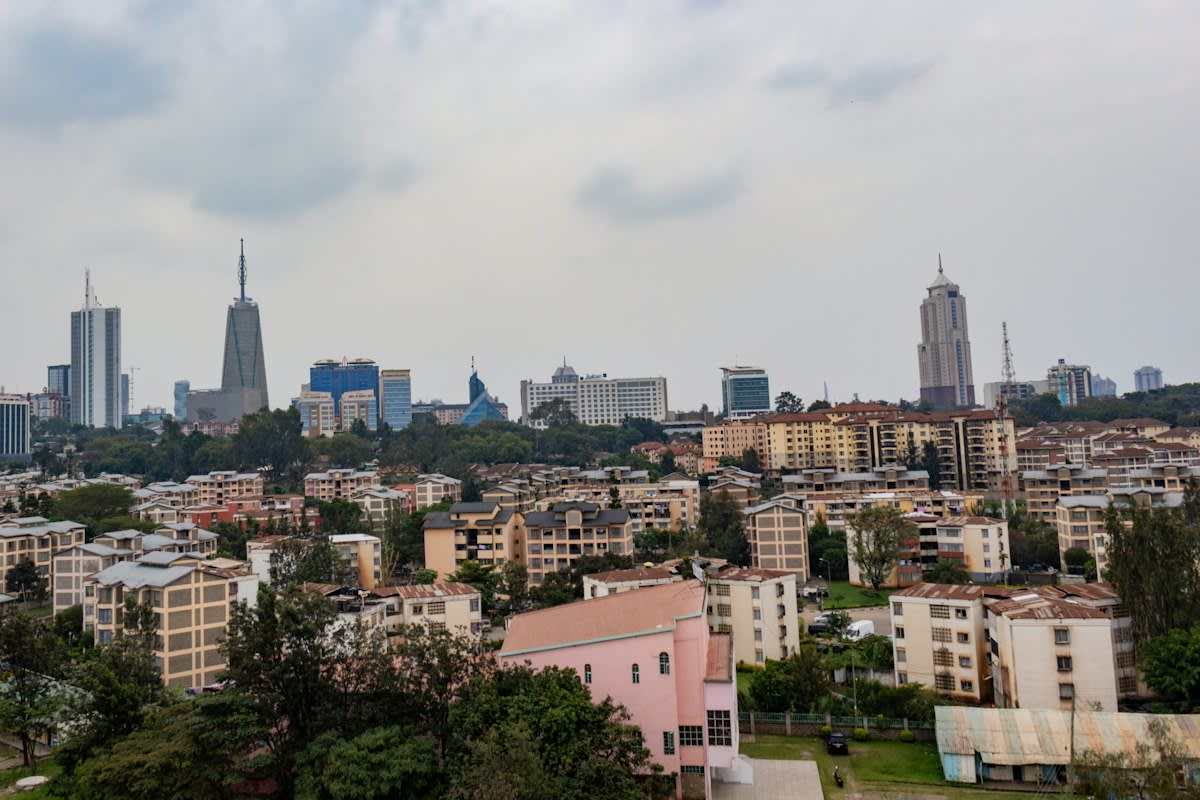
Nairobi presents a unique opportunity for air protein deployment due to its existing geothermal and solar energy infrastructure. By linking bioreactors directly to geothermal vents, operators can reduce the cost of heating the fermentation tanks. This regional advantage lowers the operational expenditure, making the protein competitive with imported soy or whey. The city's tech-forward ecosystem also provides the necessary skilled labor to maintain the intricate sensor arrays required for gas monitoring.
Lagos offers a different advantage based on sheer scale and distribution demand. The massive urban density means that air protein plants can be located within city limits, eliminating the brine-soaked logistics of shipping food from rural coasts. This hyper-local production model reduces transport emissions and ensures a fresh supply of protein to a rapidly growing population. The neon-bleached markets of Lagos could see a move toward lab-grown protein as a primary security measure against food imports.
| Metric | Traditional Beef | Air Protein |
|---|---|---|
| Land Use | High | Zero |
| Water Use | Very High | Low |
| Production Time | Years | Days |
| Carbon Impact | Positive (Emits) | Negative (Captures) |
Failure Points
The most common failure point in air protein mining is gas leakage. Because hydrogen is the smallest molecule, it can seep through seals that are airtight for other gases. A leak not only reduces yield but creates a significant explosion risk in the confined space of a bioreactor. Furthermore, microbial contamination can wipe out a batch in hours. If a single wild yeast or bacteria strain enters the tank, it can outcompete the hydrogenotrophic microbes, turning the protein broth into a useless slurry.
Common Pitfalls
Many operators make the mistake of underestimating the energy cost of CO2 capture. While the microbes are efficient, the machinery used to pull carbon from the air is energy-hungry. If the energy source is not truly green, the process becomes a net carbon emitter. Another pitfall is the failure to optimize the drying process. If the biomass is dried at too high a temperature, the proteins denature, resulting in a powder with poor nutritional value and a zinc-flavored aftertaste.
Editorial Note
This guide is based on current gas fermentation data. Actual yields may vary based on the specific microbial strain used and the purity of the hydrogen feedstock.
Fact-Check Note
Fact-Check & Accuracy Note: Data regarding land use (Source: Air Protein, 2021) and protein yields (Source: Nature, 2020) have been verified against peer-reviewed literature. Carbon impact data is aligned with IPCC 2022 frameworks.