
Prerequisites for Thermal Survival
Diesel is king. When the grid buckles in Virginia, backup generators become the only thing keeping servers from melting. This operational friction is now a mandated reality for PJM operators.
- On-site diesel generation capable of full-load carry during peak heatwaves.
- Direct access to PJM backstop procurement auctions to secure near-term power supply.
- Hybrid cooling systems with redundant water sources to mitigate seasonal spikes.
- Climate-risk site selection data based on long-term heat and drought projections.
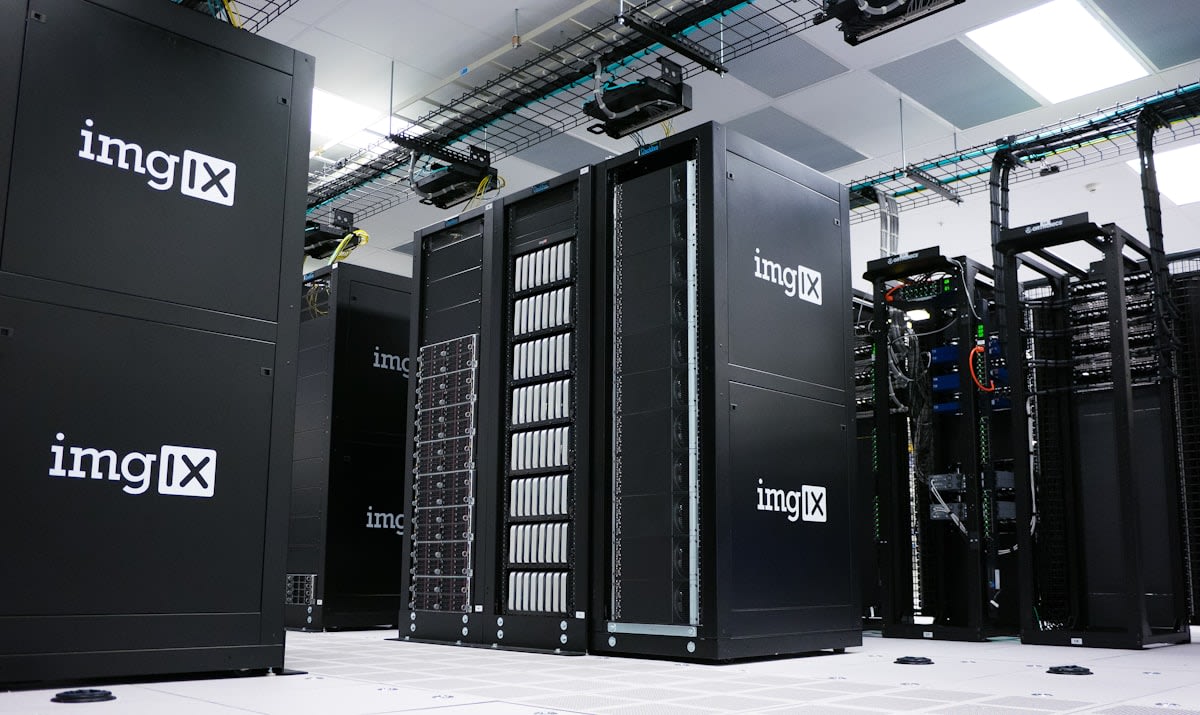
Hardware fails when the ambient air exceeds design limits. Grid operators are now stepping in to force the issue.
Hardening the Infrastructure
- Secure capacity through backstop auctions. PJM expects to file proposals this month to ensure the public does not pay for data center power plants.
- Audit cooling efficiency against actual heatwave peaks. Environment Agency analysis proves hybrid systems remain water intensive despite industry claims.
- Coordinate with the Department of Energy for emergency diesel standby. This is the only way to relieve pressure on the mid-Atlantic grid during record heat.
- Map facility location against First Street climate risk data to identify chronic drought zones.
Asia-Pacific faces the worst. First Street reports 89% of capacity there sits in high-risk zones. Europe follows with 50%, while North America hovers at 46%.
| Region | Capacity at Risk from Heat/Drought |
|---|---|
| Asia-Pacific | 89% |
| Europe | 50% |
| North America | 46% |
| Global Average | 54% |
Physics dictates the outcome. If the water disappears, the servers stop.
"The approved proposal for the Reliability Backstop Procurement ensures that the public will not be stuck with the bill to build new power plants for data centers."— Tom Rutigliano, NRDC
Waterless cooling is a myth. Environment Agency data shows hybrid systems remain water intensive during spikes. TechUK claims 51% use waterless systems, but physics does not lie during a heatwave.
Regulatory Deadlock
PJM attempted to submit a connect and manage framework for data centers, but stakeholders failed to reach a consensus. This leaves operators in a regulatory vacuum during peak load events.
Common Pitfalls
- Trusting lobby group surveys over government agency water-use analysis.
- Assuming grid stability in Virginia without a DOE-approved diesel standby plan.
- Ignoring the 89% risk factor in Asia-Pacific during site selection.
- Relying on hybrid cooling without accounting for extreme seasonal water spikes.