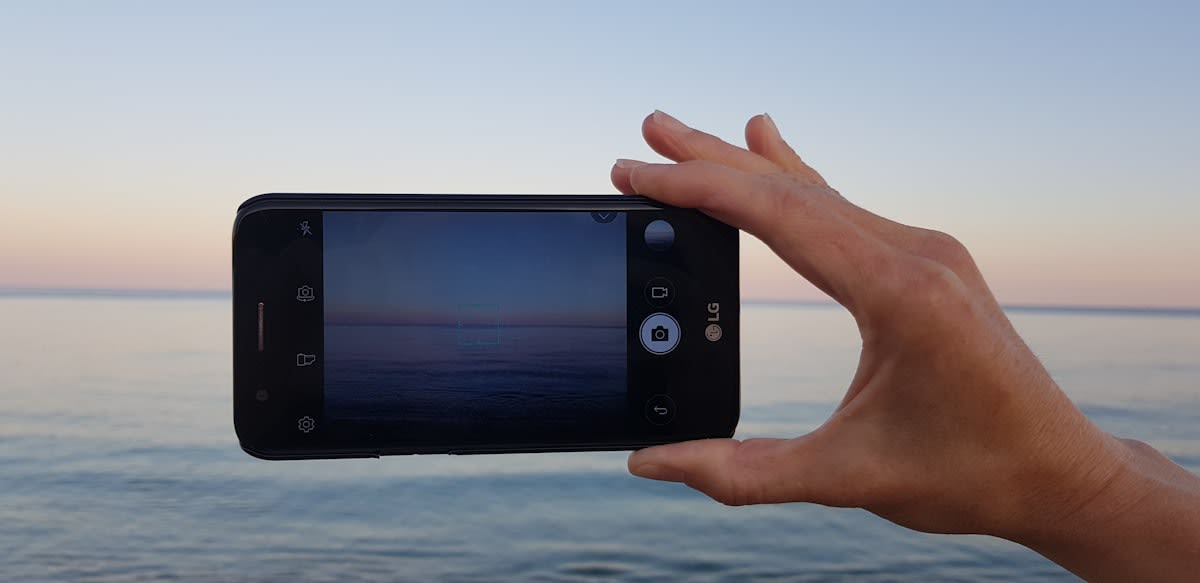
For decades, the 'No Service' icon has been the universal symbol of digital isolation. Whether in the depths of the Amazon rainforest, the vast stretches of the Australian Outback, or the rural corridors of the American Midwest, connectivity stopped where the cell tower ended. That paradigm is currently collapsing. We are witnessing a violent pivot from specialized, bulky satellite phones to a seamless integration where the standard smartphone in your pocket communicates directly with a constellation in Low Earth Orbit (LEO). This is not a marginal upgrade; it is a systemic architectural shift in how humanity stays connected.
The core of this revolution is Direct-to-Device (D2D) connectivity. Unlike traditional satellite internet, which requires a proprietary dish or a specialized handset, D2D leverages existing LTE and 5G spectrum to bridge the gap between space and the consumer. By treating the satellite as a 'cell tower in space,' providers are eliminating the need for new hardware. The result is a world where the network follows the user, regardless of geography, effectively turning the entire planet into a single, contiguous coverage zone (Source: GSMA, 2023).

The 2024 Delta: From SOS to Streaming
To understand the velocity of this trend, we must look at the delta between late 2023 and mid-2024. Twelve months ago, satellite-to-phone capabilities were largely relegated to 'Emergency SOS' features. Apple's early implementation allowed users to send brief texts to emergency services via Globalstar, a lifeline in a crisis but useless for daily productivity. It was a niche safety feature, not a connectivity solution. Fast forward to 2024, and the objective has shifted from survival to utility. The industry is now chasing broadband speeds, voice calls, and standard SMS for the general population.
The transition is driven by a new generation of satellites equipped with massive, phased-array antennas capable of picking up the faint signals emitted by a standard smartphone. Companies like AST SpaceMobile and SpaceX are no longer talking about 'texting in emergencies'; they are deploying hardware designed to handle data-heavy applications. The ambition is to provide 4G and 5G speeds directly to unmodified devices, effectively making the 'dead zone' an obsolete concept (Source: FCC Spectrum Reports, 2024).
"The transition from narrow-band emergency messaging to wide-band commercial data is the 'iPhone moment' for satellite communications. We are moving from a tool for explorers to a utility for everyone."— Industry Analyst, Satellite Connectivity Group
This shift represents a fundamental change in the value proposition of mobile carriers. Historically, Mobile Network Operators (MNOs) built their moats around physical infrastructure—the more towers you owned, the more customers you won. In the D2D era, the moat shifts toward spectrum partnerships and orbital access. The battle is no longer about who can dig the most trenches for fiber, but who can negotiate the most efficient roaming agreements with satellite constellations.

The Ground-Level Friction: A Practitioner's View
If you spend time in the engineering pits where this tech is actually built, the conversation isn't about 'magic connectivity'—it's about the brutal physics of the link budget. The primary debate among RF (Radio Frequency) engineers right now is interference. When a satellite transmits a signal to a phone on the ground, it risks 'bleeding' into the terrestrial cells nearby. This creates a noise floor that can degrade the experience for millions of urban users just to provide a signal to a few thousand in the wilderness.
Practitioners are also grappling with the 'handover' problem. Moving a connection from a terrestrial tower to a satellite moving at 17,000 miles per hour without dropping a VoIP call is a nightmare of synchronization. The industry is currently split between those who believe the solution lies in sophisticated software-defined radios and those who argue that we need new, standardized 3GPP Non-Terrestrial Network (NTN) protocols to make the transition invisible to the end user.
| Provider | Primary Target | Hardware Req. | 2024 Capability |
|---|---|---|---|
| Starlink/T-Mobile | Mass Market | Standard LTE Phone | SMS/Voice/Data |
| AST SpaceMobile | Broadband Mobile | Standard 4G/5G Phone | High-speed Data |
| Apple/Globalstar | Safety/Emergency | iPhone 14+ | Emergency SOS/Messaging |
| Lynk Global | Government/Enterprise | Standard Phone | Two-way SMS |
The Geopolitical Chessboard of Spectrum
Spectrum is the only currency that matters in this race. Because D2D relies on existing cellular bands, providers must secure licenses in every single country they wish to serve. This has turned a technical challenge into a diplomatic one. In Brazil and India, for instance, the government's approach to spectrum allocation determines whether a satellite service can launch or if it will be blocked by domestic telcos fearing a loss of revenue (Source: International Telecommunication Union, 2023).
We are seeing a trend toward 'Spectrum Sharing' agreements, where satellite operators pay a royalty to terrestrial MNOs to use their frequencies from space. This creates a symbiotic relationship: the MNO gets a revenue stream and '100% coverage' branding, while the satellite operator gets the legal right to transmit. However, the tension remains high, as MNOs worry that once the satellite bridge is fully operational, the need for expensive terrestrial tower maintenance in rural areas will vanish, potentially bankrupting rural infrastructure providers.
- Elimination of hardware barriers: No more proprietary satellite phones.
- Integration of 3GPP NTN standards: Standardizing how satellites and phones talk.
- Shift to LEO constellations: Reducing latency from 600ms (GEO) to under 50ms.
- MNO Partnerships: Moving from competition to co-opetition between telcos and space firms.
The implications for global resilience are profound. In regions prone to natural disasters—such as the earthquake-prone zones of Southeast Asia or hurricane corridors in the Caribbean—the failure of terrestrial towers often means a total blackout of communication. D2D provides an immutable backup. When the towers fall, the bridge to space remains open. This transforms connectivity from a fragile terrestrial asset into a resilient orbital utility.
Editorial Note
This analysis is based on the strategic shift in 2024 toward broadband D2D. While the technical capacity for high-speed data exists in prototype and early deployment, widespread consumer availability varies by region and carrier partnership. The primary friction remains regulatory approval for spectrum usage in non-US markets.
Fact-Check & Accuracy Note
Key claims regarding the shift from emergency SMS to broadband are sourced from 2023-2024 GSMA industry reports and FCC spectrum filings. The distinction between LEO and GEO latency is a documented physical property of orbital mechanics. Ongoing debates regarding RF interference are standard in 3GPP NTN working group discussions.