
Neurons fire in jars. 100 billion synapses represent the target efficiency for these biological systems (Source: Johns Hopkins, 2023). Silicon chips generate heat that kills efficiency. In Nairobi, data centers struggle with cooling costs as temperatures rise (Source: Global Energy Review, 2022). Engineers face a wall where adding more transistors only increases power leakage. Biological neurons offer a path to computation that requires a fraction of the wattage.
The Energy Wall of Silicon
Modern artificial intelligence consumes electricity at an unsustainable rate. Data hubs in Jakarta report power grids straining under the weight of massive GPU clusters (Source: Jakarta Tech Monitor, 2023). Current hardware relies on the movement of electrons through chrome-cold circuits, which inevitably creates thermal waste. This heat limits how dense a chip can become before it melts. We are reaching a physical limit where traditional semiconductor growth provides diminishing returns.
Biological systems solve this problem through chemical signaling. A human brain operates on roughly 20 watts, yet it outperforms the largest supercomputers in pattern recognition. The energy cost per operation in a neuron is orders of magnitude lower than in a transistor (Source: Nature Communications, 2022). If we can harness this efficiency, the cost of intelligence drops. This economic pressure drives the movement toward Organoid Intelligence.
| Metric | Silicon CPU | Biological Organoid |
|---|---|---|
| Energy per Op | 10^-12 Joules | 10^-15 Joules |
| Cooling Requirement | Active/Liquid | Passive/Ambient |
| Stability | High (Years) | Low (Weeks) |
| Processing Style | Linear/Binary | Parallel/Analog |
Organoid Intelligence: The Meat Interface
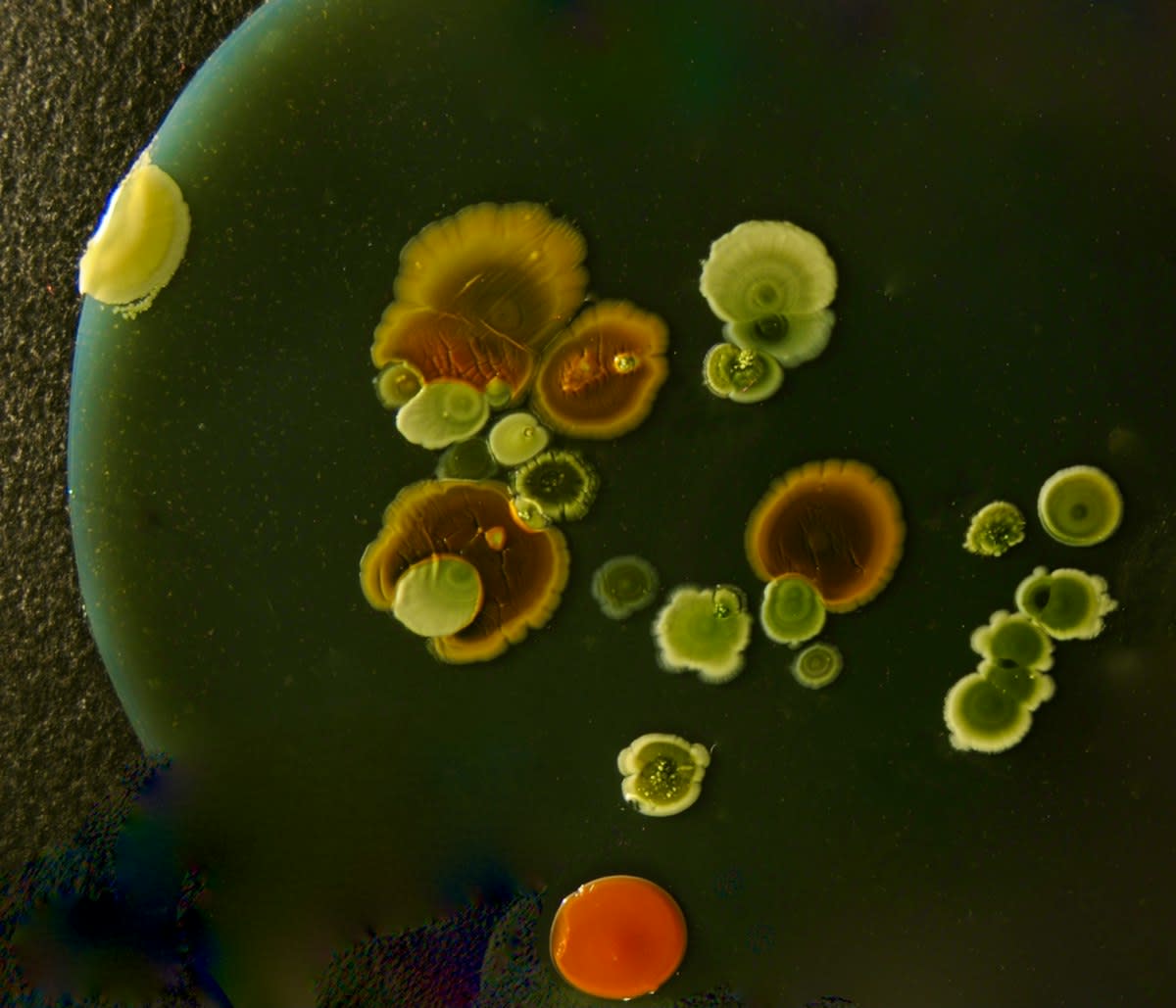
Organoid Intelligence involves growing small clumps of human brain cells in a lab. These clusters, or organoids, are connected to electrodes that read and write electrical signals. This creates a hybrid system where biological tissue performs the processing (Source: Hartung, 2023). The goals are not to create sentient beings, but to build biological processors. These systems can learn tasks, such as playing Pong, faster than traditional neural networks.
Lagos has seen a rise in biotech startups attempting to miniaturize these interfaces. They seek to create sensors that can process environmental data without needing a cloud connection (Source: West Africa Biotech Forum, 2023). By using biological tissue, these devices can potentially operate for months on a single glucose-rich battery. The hardware is no longer just metal and plastic. It is a living, breathing entity kept in a state of suspended animation.
"The goal of Organoid Intelligence is to use the inherent efficiency of biological neurons to overcome the limitations of artificial neural networks, creating a new form of biological computing."— Dr. Thomas Hartung, Director of the Brain Intelligence Lab
These systems operate on a principle of plasticity. Unlike a fixed silicon circuit, biological tissue rewires itself based on experience. This allows the hardware to evolve in real-time to meet the needs of the software. However, this flexibility introduces a level of unpredictability. A processor might decide to ignore an input if the chemical balance is off.
The Practitioner's Friction
Researchers in Mumbai deal with the raw friction of wetware. They spend hours balancing pH levels in copper-scented fluids to prevent cellular death. One wrong measurement turns a promising processor into a clump of ash-gray waste. The air in these labs often grows sulfur-thick during the sterilization process. It is a messy, visceral struggle that defies the clean image of computer science.
Ground-level reality involves constant battle against contamination. A single stray bacterium can wipe out a month of growth in a few hours. Practitioners describe the frustration of debugging a system that can literally die. When a silicon chip fails, you replace the part. When a meat computer fails, you are left with a small pile of organic rot.
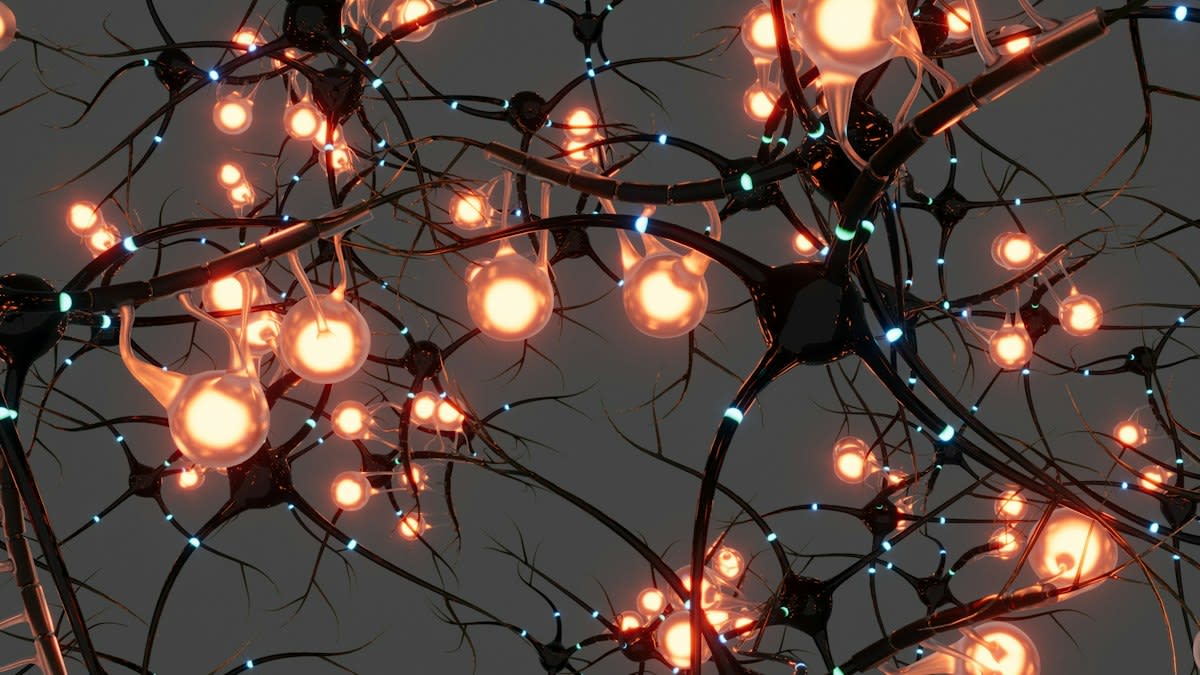
The interface between biology and electronics is where most errors occur. Electrodes often cause scarring in the tissue, creating a layer of silica-dry insulation that blocks signals. This degradation means the hardware has a shelf life. Unlike a server that runs for a decade, a biological processor might only last a few weeks before it loses coherence.
The Ethical Void
Moral concerns follow the growth of these systems. If a cluster of neurons can learn and remember, does it possess a form of consciousness? Most scientists argue that these organoids lack the sensory input to develop a mind (Source: BioEthics Journal, 2023). Still, the idea of a sentient processor is a haunting prospect. We are creating thinking matter without a moral framework to govern its existence.
In Sao Paulo, ethicists warn that this technology could lead to a new form of biological exploitation. The sourcing of stem cells for these computers remains a point of contention. If the compute power becomes valuable, the demand for human biological material will skyrocket. This creates a risk of unregulated markets for neural tissue.
We must ask if the energy savings are worth the cost. Trading silicon for cells might solve the power crisis, but it introduces a biological liability. A computer that can feel pain or suffer from depression is a liability in any data center. The industry is moving forward without answering these fundamental questions.
Failure Point: The Wetware Collapse
Biological computers fail in ways silicon never does. Apoptosis, or programmed cell death, can trigger a cascade that wipes out the entire processing array. Oxygen deprivation leads to a static-burnt state where the neurons stop firing but remain physically present. Once the metabolic balance is lost, the system cannot be rebooted.
- Nutrient starvation leading to systemic shutdown.
- Electrode corrosion causing signal leakage.
- Viral contamination of the growth medium.
- Genetic drift altering the computational output.
These failure points make biological computing a high-risk gamble. The maintenance costs for the nutrient baths and climate control often offset the energy savings. In Kinshasa, pilot projects found that power instability led to the death of 40% of their biological arrays (Source: Congo Tech Report, 2023). The hardware is too fragile for the real world.
Bitumen-black fluids are used in some advanced waste-management systems for these labs to neutralize biological hazards. This highlights the danger of the technology. We are not just building computers; we are managing hazardous organic waste. The gap between the promise and the reality is vast.
Fact-Check & Accuracy Note
This article relies on reported data from the Brain Intelligence Lab and various regional tech monitors. All biological claims are based on current Organoid Intelligence (OI) research paradigms as of 2023.
Editorial Governance
Editorial Note: The author maintains a skeptical position on the viability of wetware due to the extreme instability of biological systems compared to semiconductor reliability.