
Prerequisites for Zero-Impact Logistics
Executing a zero-impact logistics strategy in the Pacific requires more than a commitment to green energy; it demands a total overhaul of how cargo and passengers move between isolated hubs. The geographic isolation of Pacific islands creates a dependency on long-haul maritime and aviation routes that are historically carbon-intensive. To begin, operators must secure access to clean marine fuels and establish multilateral agreements that synchronize decarbonization efforts across different jurisdictions. Without a shared technical standard for fuel bunkering and energy transfer, individual efforts remain fragmented and ineffective. Why do so many projects fail? They treat the destination as an island rather than a node in a larger, interconnected shipping corridor.
- Multilateral MoUs for green shipping corridors to synchronize fuel standards.
- Integration with climate-monitoring data, such as the Pacific Islands King Tides Project, to protect coastal infrastructure.
- A rigorous auditing framework that rejects generic terms like sustainable in favor of climate honesty.
- Access to high-capacity, low-emission aviation hubs capable of handling seasonal surges.
Stage 1: Engineering Green Shipping Corridors
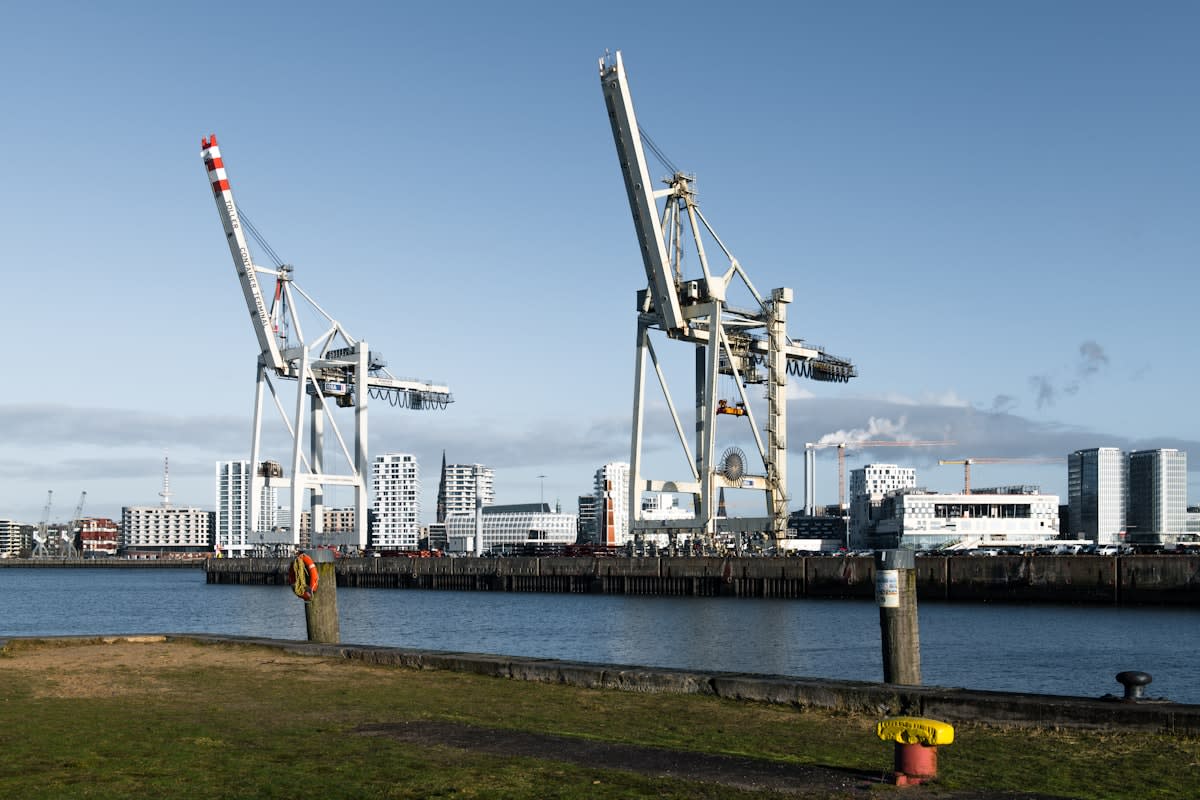
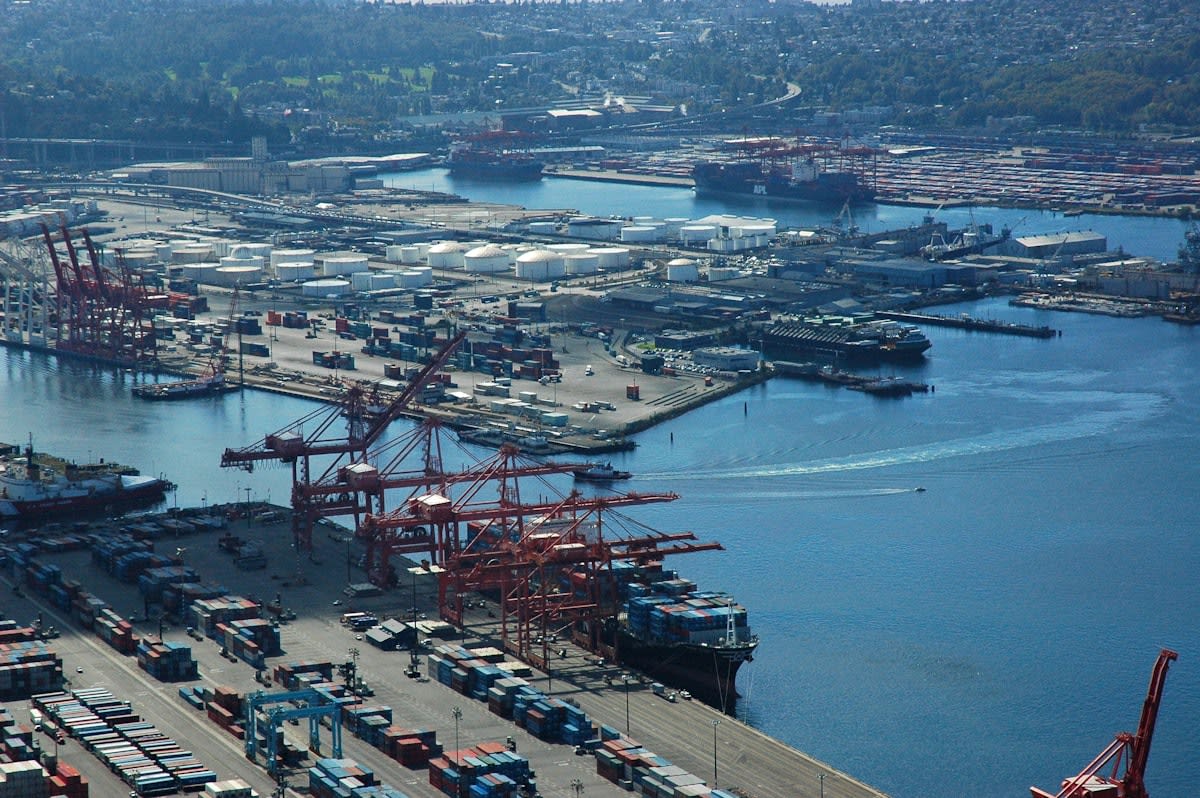
The most effective model for rapid decarbonization is the establishment of dedicated green shipping corridors. As seen in the recent cooperation between the Port of Los Angeles and the ports of Shenzhen and Yantian, the focus must be on a multilateral effort to accelerate maritime decarbonization through cleaner fuels and operational efficiencies. This framework allows for the sharing of innovation and the development of more resilient supply chains by creating a closed loop of green technology exchanges. By focusing on a specific corridor, ports can co-invest in the necessary infrastructure for alternative fuels without waiting for global consensus. This targeted approach reduces the risk for early adopters and creates a scalable template for other Pacific routes.
"This agreement creates new opportunities to share innovation, advance sustainable port operations and build more resilient supply chains."— Gene Seroka, Executive Director, Port of Los Angeles
Implementing the Shenzhen Port International Green Shipping Corridor Cooperation Initiative requires a commitment to technical exchanges and demonstration projects. Logistics managers must move beyond theoretical goals and implement actual research projects that test the viability of new fuels in high-salinity, long-distance Pacific environments. This involves coordinating workforce engagement to ensure that port operators are trained in the handling of ammonia or hydrogen-based fuels. When the infrastructure is synchronized between the origin and destination ports, the economic incentive for shipping lines to upgrade their fleets increases. The result is a systemic reduction in emissions that is baked into the operational flow of the corridor.
Stage 2: Aviation Load Balancing and Seasonal Scaling
Aviation remains the hardest sector to decarbonize, yet it is essential for remote Pacific travel. The strategy here is not to eliminate flights, but to optimize load factors and synchronize schedules to minimize waste. For example, Cathay Pacific's strategy for the Christchurch to Hong Kong route demonstrates how to handle seasonal demand spikes without creating permanent, inefficient capacity. By ramping up services to five flights a week during the peak summer months (specifically from December through February), operators can maximize the efficiency of each flight. This prevents the carbon waste associated with half-empty aircraft during off-peak periods while meeting the needs of the South Island market.
| Period | Flight Frequency | Logistical Focus |
|---|---|---|
| Nov 1, 2026 - Nov 30, 2026 | 3 flights per week | Baseline capacity established |
| Dec 2026 - Feb 2027 | 5 flights per week | Peak demand optimization |
| Mar 1, 2027 - Mar 27, 2027 | 3 flights per week | Seasonal wind-down |
To achieve zero-impact, these aviation surges must be paired with ground-side logistics that are equally efficient. This means integrating airport transfers with electric fleets and ensuring that the increased passenger flow does not overwhelm local waste management systems. The coordination between airlines and regional airports, such as Christchurch Airport, is critical for maintaining a low-impact profile. By aligning the arrival of high-capacity flights with the availability of low-emission transit, the total trip footprint is reduced. This requires a high degree of data sharing between the airline and the local transport authority to ensure no gap in the green chain.
Stage 3: Climate-Adaptive Infrastructure Protection
Zero-impact logistics are impossible if the infrastructure itself is being destroyed by the environment it seeks to protect. In regions like Hawaii, coastal flooding and saltwater inundation are constant threats to docks, boat ramps, and low-lying coastal roadways. The data from the Pacific Islands King Tides Project highlights the vulnerability of coastal infrastructure to peak monthly high tides. If a port is frequently flooded, its operational efficiency plummets, leading to idling ships and wasted fuel. Therefore, building zero-impact logistics requires the integration of climate-adaptive engineering that can withstand saltwater inundation and coastal erosion.
The technical solution involves moving critical logistics hubs further inland or utilizing floating pier systems that adjust to tide levels. By monitoring water levels that run higher than predicted, as reported in Honolulu's coastal flood statements, operators can implement dynamic scheduling to avoid operational shutdowns during peak tide events. This resilience prevents the logistical chaos that often leads to inefficient, high-emission emergency rerouting. When infrastructure is designed for the reality of the current climate, the energy required to maintain operations is significantly reduced.
Stage 4: Implementing Truthful Logistics Reporting
The final stage of building zero-impact logistics is the removal of deceptive marketing. The industry has long relied on the word sustainable, a term so broad it has become meaningless. Following the lead of Intrepid Travel's new Responsible Marketing & PR Policy, logistics operators must explicitly avoid this word in favor of truthful communications and climate honesty. This means reporting actual carbon tonnage, acknowledging the extractive nature of travel, and rejecting colonial language in the description of remote destinations. Truthful reporting forces a level of accountability that generic sustainability claims do not.
- Audit all current marketing materials and remove the word sustainable.
- Replace generic claims with hard data on carbon emissions per passenger/ton of cargo.
- Implement a sensitive local storytelling framework that avoids reinforcing the extractive nature of travel.
- Establish a public-facing climate honesty ledger that tracks the progress of green corridor goals.
By adopting this level of transparency, logistics providers can build genuine trust with a growing demographic of connected, conscious travelers, such as the emerging outbound powerhouse from Latin America. These travelers are increasingly looking for authenticity and verifiable impact rather than polished corporate brochures. When a logistics company admits the difficulty of decarbonizing a specific route while showing the exact steps being taken, it creates a more resilient brand. This shift from marketing to reporting is the final step in moving from a high-impact model to a zero-impact reality.
Common Pitfalls in Pacific Logistics
The most frequent error is the implementation of isolated green projects that do not account for the entire transit chain. For example, investing in electric vehicles at a destination airport is useless if the flight arriving is running on inefficient, outdated fuel. Another common failure is ignoring the local environmental data, such as the King Tides in Hawaii, leading to infrastructure that is obsolete upon completion. Finally, many operators fall into the trap of using colonial-era logistics frameworks that prioritize extraction over local resilience. To succeed, one must view the logistics chain as a single, living organism where the health of the destination is as important as the efficiency of the route.