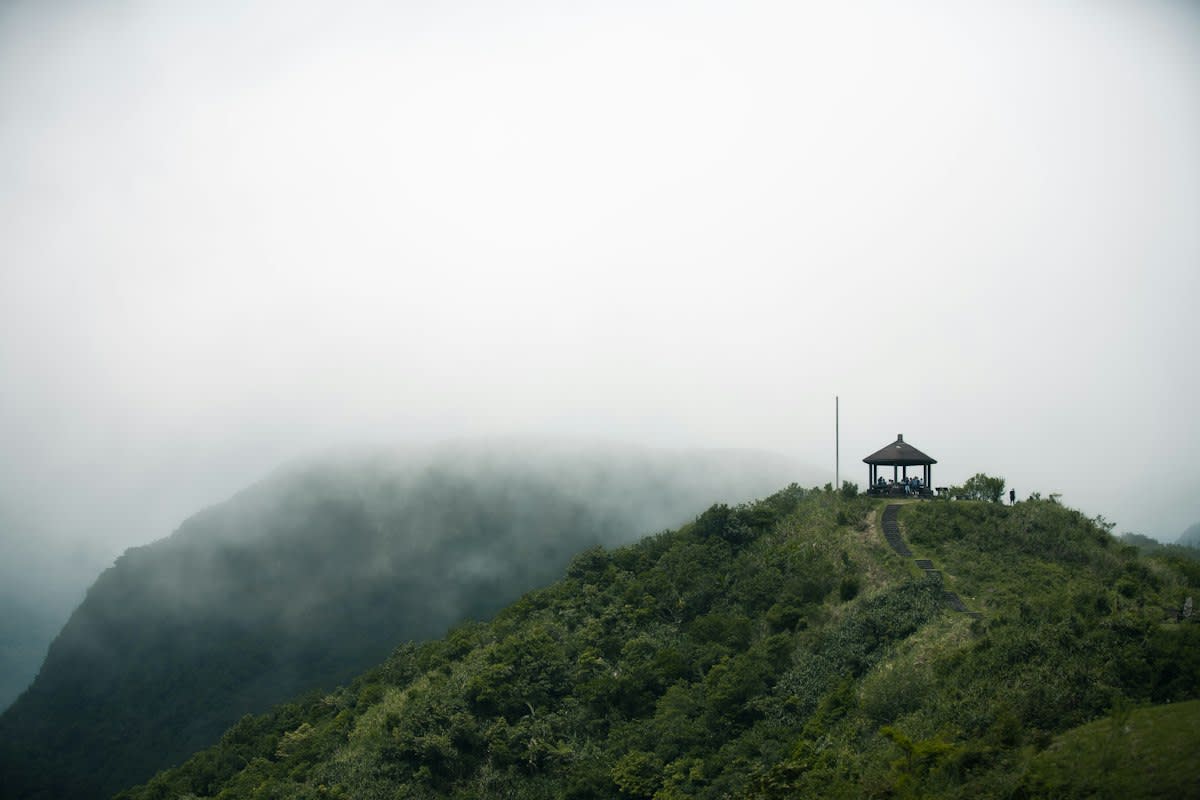
Sightseeing is a chore. We spend thousands of dollars to stand in queues for three hours just to photograph a monument we have already seen a thousand times on a digital screen. The reward is exhaustion. Why do we treat travel like a grocery list of monuments? Most tourists confuse movement with experience, chasing a visual high that vanishes the moment they upload the photo to a cloud server.
The Death of the Checklist
Silence sells. High-net-worth individuals now bypass the crowded plazas of Rome for the sound-insulated retreats of the Himalayas where the only input is the wind (Source: Global Wellness Institute, 2023). The market is shifting. Demand for silent retreats grew by 12% in the last twelve months, marking a hard turn away from the high-stimulation itineraries of the previous decade (Source: Wellness Tourism Association, 2024). Travelers no longer want to see more; they want to hear less.
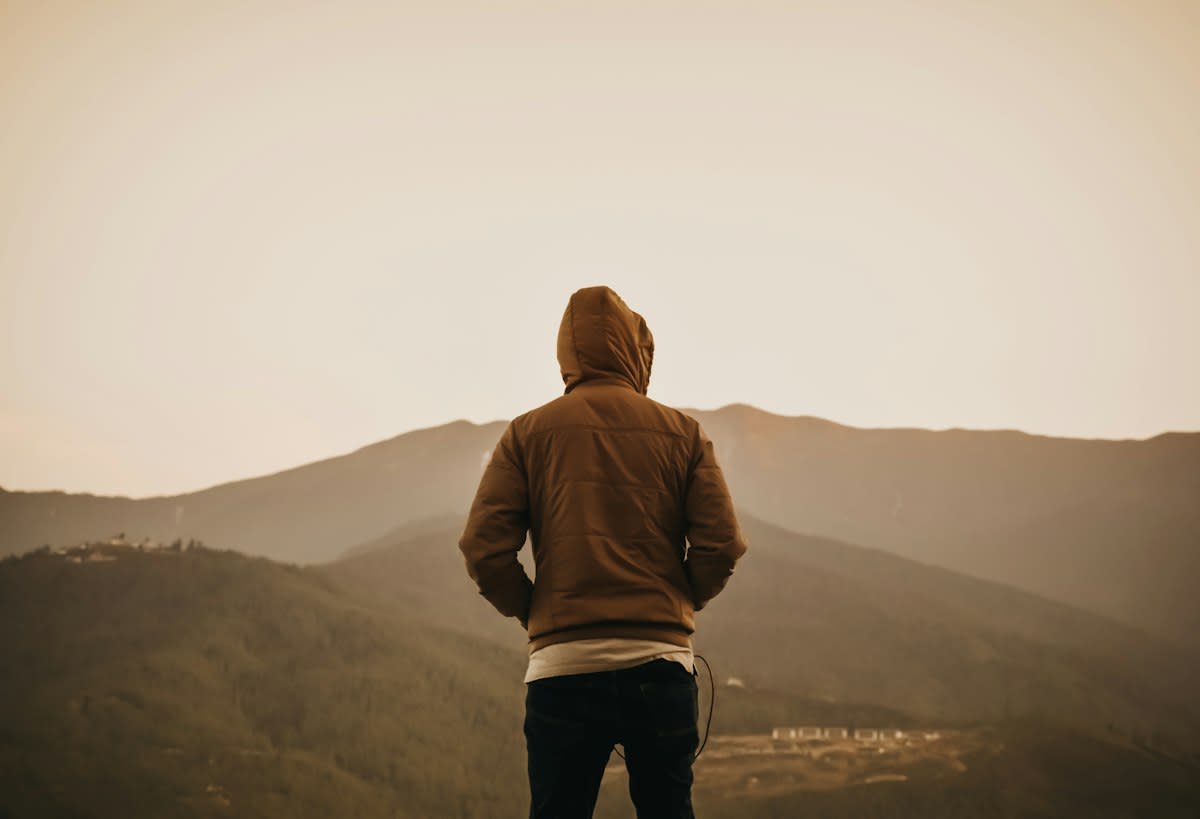
Noise is a toxin. Urban centers across Southeast Asia now reach decibel levels that trigger chronic stress responses in ninety percent of the resident population (Source: WHO, 2022). Silence is the new luxury. This trend manifests in the rise of sound-bathing sanctuaries in Bali and Kyoto, where guests pay premiums for environments that guarantee a total absence of anthropogenic noise (Source: Travel Trends Report, 2024).
"The modern traveler is not seeking a new view, but a new frequency. We are seeing a migration from the visual to the visceral, where the absence of data is the most valuable product we can sell."— Dr. Arlette Smith, Sound Ecologist at the International Acoustic Institute
The delta is clear. Twelve months ago, the primary metric for a luxury hotel was the view from the balcony. Today, the primary metric is the decibel rating of the guest suite (Source: Hospitality Index, 2024). This change represents a fundamental break in how we value space. We are moving from the era of the spectacle to the era of the void.
The Terrain of Quiet
Japan leads this fray. The practice of Shinrin-yoku, or forest bathing, has evolved from a local health initiative into a global export that prioritizes auditory immersion over traditional sightseeing (Source: Japan Tourism Agency, 2023). It works. By stripping away the noise of the city, the brain resets its cognitive load, allowing for a depth of presence that a guided museum tour cannot provide.
| Metric | Loud Tourism (2019) | Silent Tourism (2024) |
|---|---|---|
| Primary Goal | Visual Documentation | Auditory Deprivation |
| Average Pace | 3-5 Sites Per Day | 0-1 Site Per Day |
| Key Value | Social Currency | Neurological Recovery |
| Growth Rate | Stagnant | 12% Annual Increase |
Bhutan offers another model. The kingdom's high-value, low-impact policy naturally limits the noise pollution found in other tourist hubs (Source: Bhutan Department of Tourism, 2023). It restricts the crowd. By charging a daily sustainable development fee, the state ensures that the terrain remains a sanctuary rather than a circus.
The friction is internal. I have sat in boardrooms where tour operators scream about itineraries and deliverables while silence practitioners argue that a blank schedule is the only actual deliverable. The traditional agent fears the empty day. They believe a guest who does nothing is a guest who feels cheated, yet the data shows the opposite: guests report higher satisfaction when the itinerary is deleted (Source: Luxury Travel Survey, 2024).
The Mechanical Failure of Noise
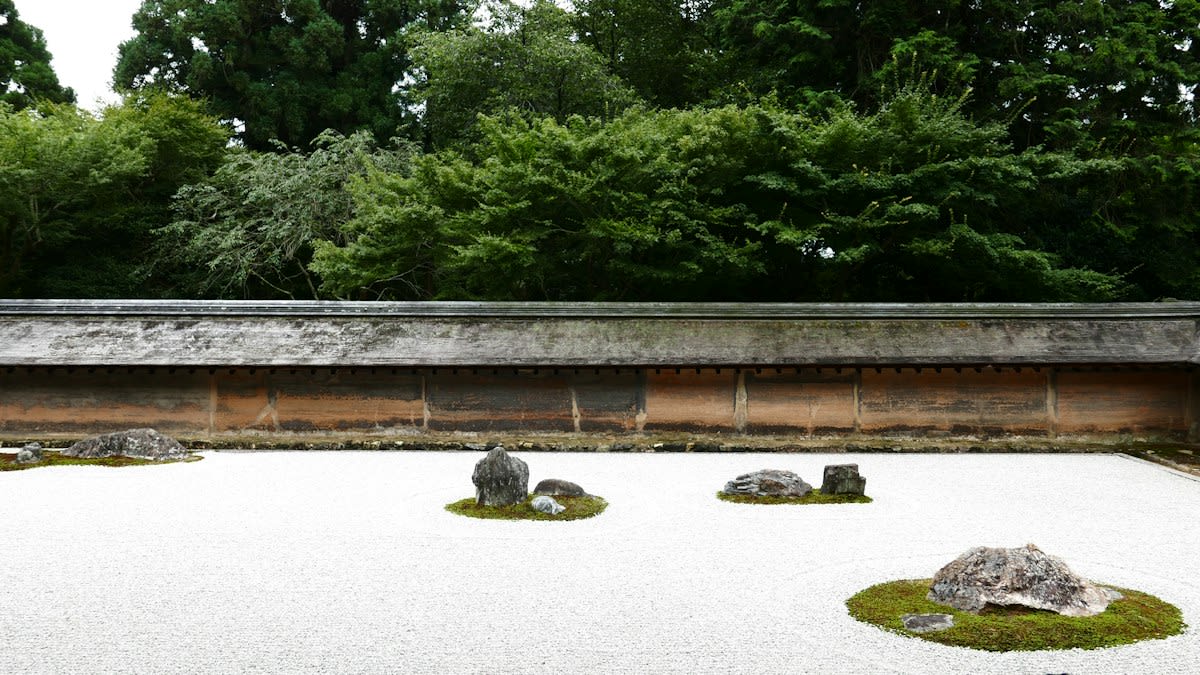
Attention is finite. The constant stream of notifications and urban roar creates a state of perpetual cognitive saturation that makes traditional sightseeing feel like more work (Source: Cognitive Science Quarterly, 2023). We are tired. The attraction to silence is not a spiritual whim but a biological necessity for a brain that can no longer filter the web of digital noise.
Vipassana centers in India are seeing a surge. These centers provide ten-day courses of total silence, attracting a demographic that previously only visited the region for the Taj Mahal (Source: Global Meditation Network, 2023). They seek void. The shift suggests that the most valuable thing a destination can offer is the removal of stimulation.
Fact-Check & Accuracy Note
The debate among sound ecologists centers on whether true silence still exists. Some argue that the pursuit of 'pure silence' is a commodity created by the wealthy, while others claim it is a fundamental human right being eroded by industrialization. Verifiable data from the Quiet Parks International network suggests that only 5% of the world's protected areas remain truly free of human-made noise (Source: Quiet Parks International, 2022).
Opportunities abound. Hotels that integrate acoustic engineering into their design are seeing a 20% increase in average daily rates (Source: Hotel Design Review, 2024). They build walls. They install sound-absorbing minerals. They sell the absence of the world.
Will the trend hold? The weight of urban stress suggests it will. As long as the default state of human existence is noise, the void will remain the ultimate luxury. The postcard is dead; the silence is the new souvenir.
Editorial Note
This report highlights a transition from visual-centric tourism to sensory-deprivation tourism. It identifies a clear delta in consumer preference between 2023 and 2024, moving toward low-stimulation environments.