Fort Hood shooter Nidal Hasan seeks execution delay, says he was defending Taliban
Source Entity
PRISHA PATNAIK
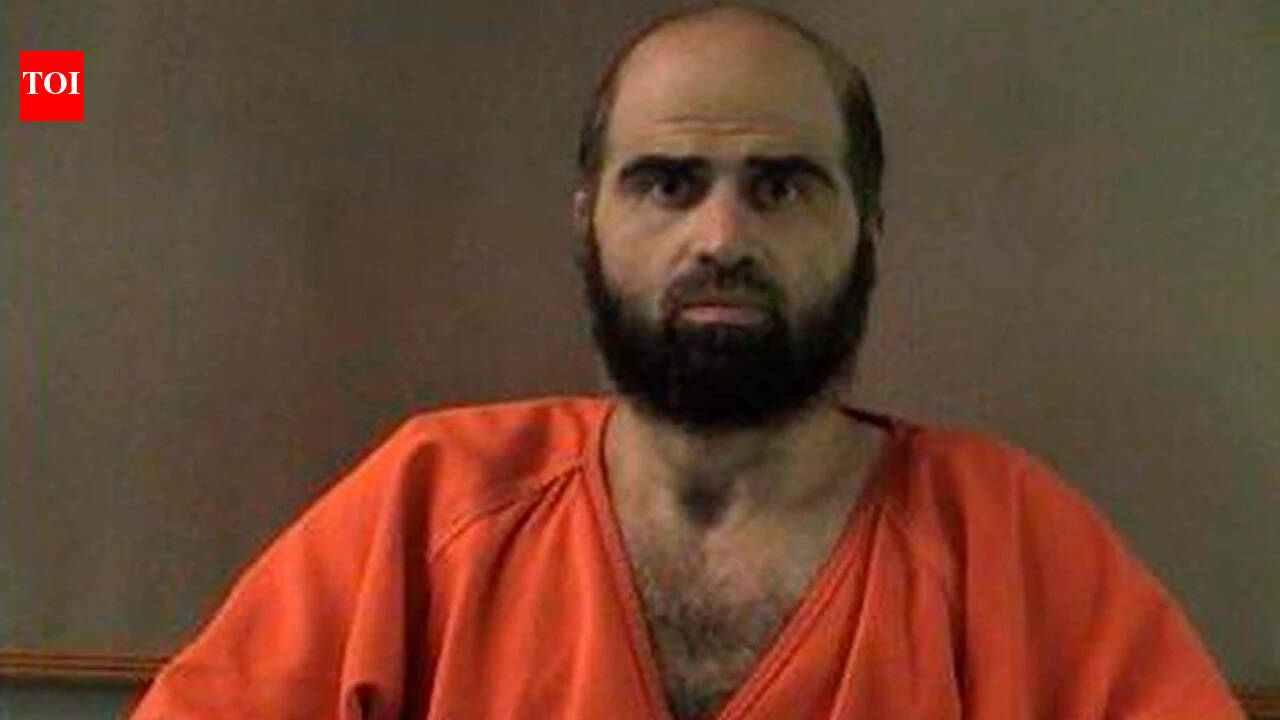
Convicted Fort Hood shooter Nidal Hasan has filed a request to delay his execution, arguing he was defending the Taliban during his 2009 attack. This legal maneuver aims to revisit a defense strategy previously barred by the military court.
The Legal Maneuvers of Nidal Hasan: A Retrospective on the Fort Hood Tragedy
The 2009 Fort Hood Shooting: A Defining Moment in Military Security
In November 2009, the United States military community was devastated by a mass shooting at Fort Hood, Texas, where Major Nidal Hasan killed 13 people and wounded 31 others. This incident remains one of the most significant domestic security breaches in modern American history, forcing a massive overhaul of how the Department of Defense addresses internal threats and radicalization within its ranks. The scale of the violence, carried out by a military psychiatrist, left an indelible mark on the survivors and the families of the victims.
Challenging the Verdict: The Defense of the Taliban
Years after his conviction and sentencing to death, Nidal Hasan has submitted a federal court filing requesting a delay of his execution. The core of his argument is a controversial attempt to revive a legal defense that was explicitly barred during his original military trial. Hasan asserts that his actions in 2009 were not criminal acts of terrorism, but rather a form of defense on behalf of the Taliban, claiming that the U.S. military’s operations at the time constituted an unlawful attack. This argument seeks to reframe his conviction by challenging the legitimacy of the military court's judgment.
Constitutional Claims and Judicial Friction
In his recent filing, Hasan maintains that his death sentence was obtained in violation of his federal constitutional rights. By attempting to introduce the 'defense of others' narrative—specifically the Taliban—he is essentially trying to retroactively litigate his ideological motivations. Legal experts note that this is a common tactic in high-profile capital cases, where defendants exhaust every possible avenue to challenge the procedural integrity of their trial, even when the underlying arguments have been previously dismissed by the judiciary.
Implications for Survivors and the Justice System
For the victims and their families, these repeated legal filings serve as a painful reminder of the 2009 tragedy. The controversy surrounding his execution and the length of the appeals process highlight the complexities of the military justice system, which often operates on a different timeline than civilian courts. The survivors’ objections to these delays are rooted in the pursuit of finality and the desire to see the sentence carried out for a crime that fundamentally shattered their lives.
Future Trends in Capital Appeals
As Hasan’s case moves through the federal court system, it serves as a case study for how convicted individuals utilize the appellate process to revisit barred theories. While it is highly improbable that a federal court would accept the argument that an act of mass violence was a legitimate defense of a designated insurgent group, the filing highlights the enduring tension between constitutional rights and the finality of sentencing. The outcome of this request will likely be determined by the court's adherence to established procedural precedent rather than the ideological arguments presented by the defendant.