Already gasping for breath, Delhi battles 14 garbage fires daily
Source Entity
ABHAY
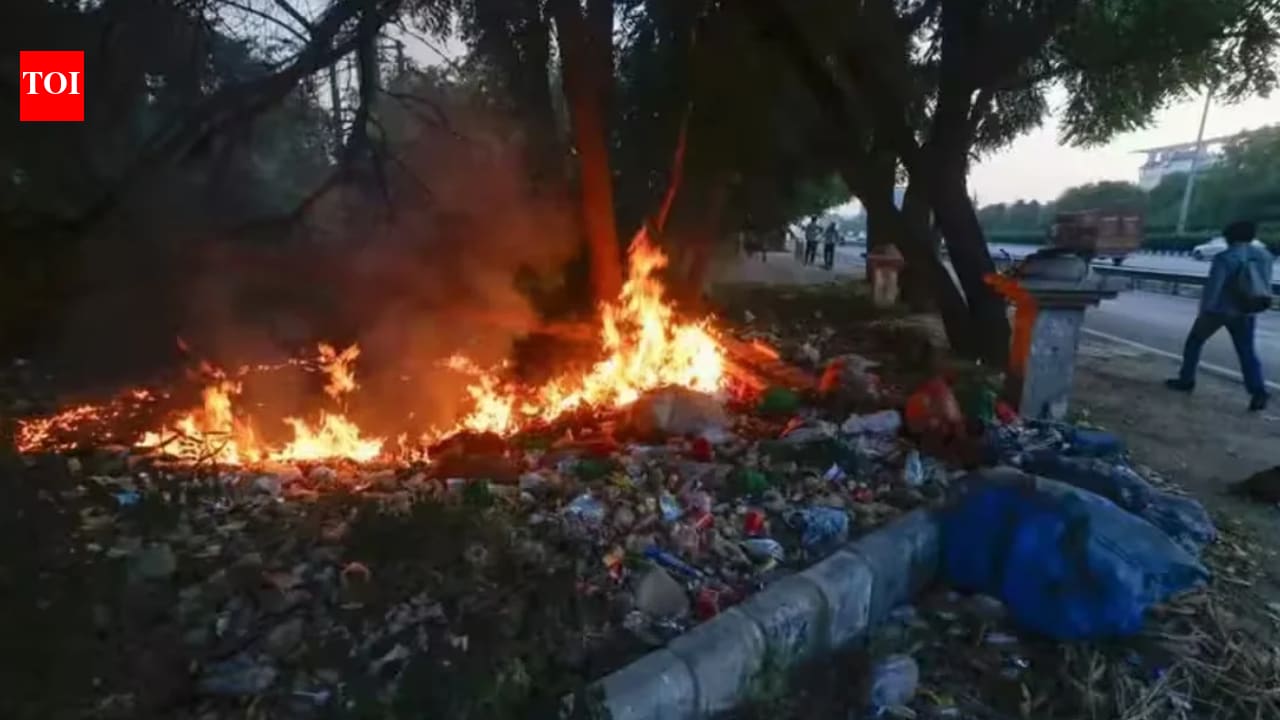
Delhi is facing an environmental crisis as recurring garbage fires contribute significantly to the city's hazardous air quality. With an average of 14 fire-related calls daily, authorities are calling for urgent improvements in waste management and public awareness.
The Silent Crisis: Delhi’s Persistent Garbage Fires
Delhi, a city perpetually struggling with severe air quality challenges, is currently facing a compounding crisis: the frequent, uncontrolled burning of municipal waste. According to data from the Delhi Fire Service (DFS), the city records approximately 14 garbage-related fire calls every single day. This alarming frequency highlights a systemic failure in waste management that directly exacerbates the atmospheric toxicity already plaguing the national capital.
The Anatomy of the Hazard
The core of the issue lies in the nature of the waste being incinerated. These fires are rarely controlled or regulated; they involve mixed waste streams, including plastics, rubber, and chemical-laden refuse. When these materials are ignited, they release a cocktail of hazardous pollutants, including dioxins, furans, and particulate matter, into the breathing zone of millions. This adds a localized, high-intensity layer of pollution on top of the city's existing seasonal smog, creating a public health hazard that is both immediate and long-term.
Statistical Evidence of a Growing Problem
Data provided by the Delhi Fire Service offers a sobering look at the scale of the issue. In 2025, the city dealt with 5,465 incidents of garbage and rubbish fires. As of November 10, 2024, the records already show 4,344 such calls. This consistent volume of fire-related emergencies suggests that despite various policy interventions, the practice of burning waste remains a stubborn habit or a result of inadequate disposal infrastructure, requiring more than just fire suppression to solve.
Public Health and Environmental Implications
Beyond the immediate threat to the environment, these fires represent a significant public health risk. Residents living in proximity to these burn sites are exposed to toxic smoke that leads to respiratory illnesses and cardiovascular stress. The environmental toll is equally severe, as the toxins released by burning plastics settle into the soil and water table, creating a legacy of pollution that extends far beyond the duration of the flames themselves.
The Path Forward: Mitigation and Awareness
Fire officials emphasize that suppression is only half the battle. To truly mitigate this crisis, there must be a concerted effort to foster community awareness and transition toward responsible waste disposal practices. Improving waste segregation at the source and ensuring that municipal collection systems are efficient enough to prevent the accumulation of trash—which often becomes fuel for these fires—are essential steps toward cleaner air.
Conclusion
In conclusion, Delhi’s struggle with 14 daily garbage fires is a microcosm of the broader urban waste management challenges facing rapidly growing megacities. Addressing this issue requires a multi-faceted approach that combines strict enforcement against illegal burning with robust public education and infrastructure development. Until the city can effectively manage its waste stream, these fires will remain a critical bottleneck in the fight for breathable air.