Thousands Protest In Karachi Against Asim Munir's Gamble To Redraw Pakistan
Source Entity
NDTV News Search Records Found 1000
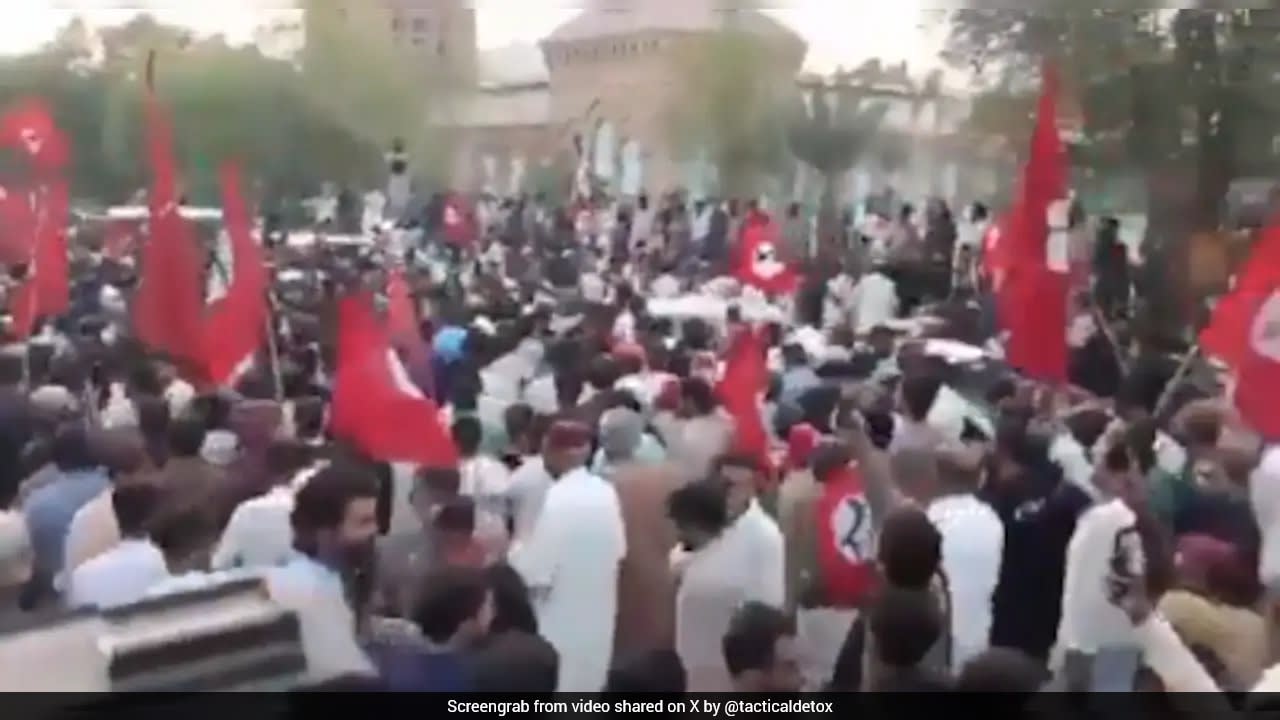
Thousands gathered in Karachi for a rally organized by the Jeay Sindh Rahbar Committee to protest proposed administrative divisions in Sindh. Demonstrators accused the military and Punjab of exploiting the region and undermining its historical identity.
Nationalist Surge in Karachi: Protesting the Redrawing of Sindh
A significant wave of civil unrest has gripped Karachi, as thousands of protesters took to the streets in a massive rally organized by the Jeay Sindh Rahbar Committee. The demonstration serves as a focal point for rising tensions in Pakistan’s Sindh province, where local nationalist groups are mobilizing against perceived efforts to fragment the region. At the heart of this unrest is the firm opposition to proposals that would redraw administrative boundaries, a move local leaders view as a direct threat to Sindh’s historical and territorial integrity.
The Roots of the Jeay Sindh Movement
The rally brought together a diverse coalition of political leaders, activists, and citizens from across the province, highlighting the depth of the grievances. The Jeay Sindh Rahbar Committee, acting as the primary organizer, has galvanized a movement that views the central government’s administrative plans as a form of "Punjabi colonialism." This rhetoric reflects long-standing concerns regarding the socio-political dominance of Punjab and the subsequent marginalization of Sindh’s unique cultural and political agency within the Pakistani federal structure.
Accusations of Military Intervention
Central to the protesters' grievances is the role of Pakistan’s military leadership, particularly under General Asim Munir. Demonstrators have explicitly linked the proposed administrative changes to a broader "gamble" by the military establishment to consolidate control. By attempting to divide Sindh into smaller administrative units, protesters argue that the state is attempting to dilute the political influence of Sindh-based nationalist parties, thereby ensuring that the region remains subservient to the interests of the central military-bureaucratic complex.
Economic Exploitation and Resource Control
Beyond the administrative disputes, the protests are fueled by deep-seated anger over economic exploitation. Participants at the Karachi rally raised slogans highlighting the disparity between the wealth generated within Sindh—particularly through its ports and agricultural output—and the benefits returned to the local population. The nationalist narrative posits that the province's resources are being siphoned off to support the national center at the expense of local development, a sentiment that has historically been a major driver for the Sindhudesh separatist movement.
Broader Implications for Pakistani Stability
The escalation of these protests signals a precarious period for Pakistan's internal stability. By uniting various nationalist factions under a common platform, the Jeay Sindh Rahbar Committee has demonstrated a capacity for mass mobilization that the state cannot easily ignore. The push for an independent Sindhudesh, while varying in intensity over the decades, is clearly being reinvigorated by the perception that the current federal leadership is actively undermining the province's constitutional and historical rights.
Future Outlook and Political Tensions
As the situation unfolds, the standoff between the provincial nationalist movement and the federal establishment appears set to intensify. If the government proceeds with its redrawing plans, it risks further alienating a significant segment of the Sindhi population, potentially leading to more frequent, large-scale civil disobedience. Future trends suggest that unless the state adopts a more inclusive approach that respects provincial autonomy and addresses the core economic anxieties of the region, the demand for greater independence or autonomy will likely continue to gain traction in the political discourse of Sindh.
Verification Required?