4.9 Lakh Russian Soldiers Killed In Ukraine War, Of Them 1,000 Chose Suicide: Reports
Source Entity
NDTV News Search Records Found 1000
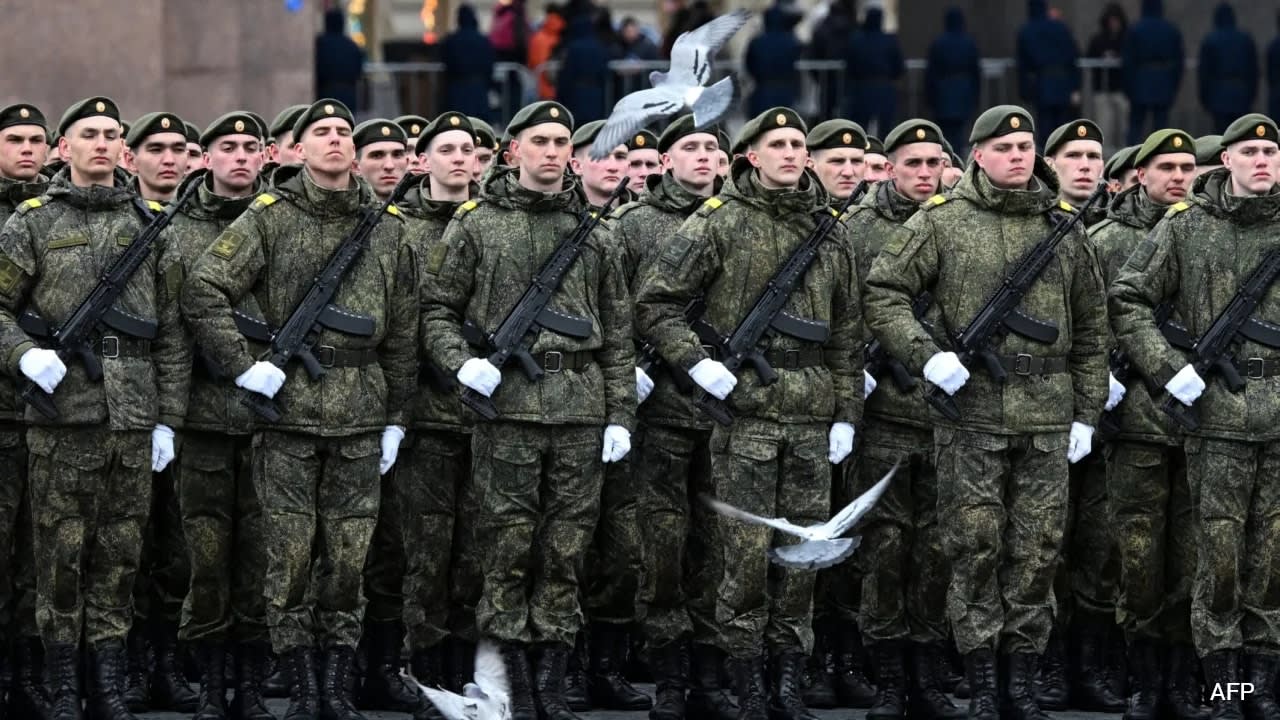
Recent reports indicate that 490,000 Russian soldiers have been killed in the ongoing war in Ukraine. Among these casualties, approximately 1,000 instances of suicide have been documented, highlighting the severe psychological strain within the Russian armed forces.
The Human Cost of the Conflict in Ukraine
The ongoing conflict in Ukraine has reached a staggering milestone, with reports indicating that approximately 4.9 lakh—or 490,000—Russian soldiers have been killed since the inception of the war. This figure serves as a grim indicator of the sheer scale of attrition that has defined the hostilities, reflecting a high-intensity combat environment that has exacted a devastating toll on personnel and morale alike.
The Psychological Toll on Armed Forces
Beyond the immediate casualties resulting from direct engagement, the reports highlight that 1,000 of these deaths have been attributed to suicide. This specific data point is a stark reflection of the immense psychological pressure currently exerted on the Russian armed forces. The environment of modern, high-attrition warfare, combined with prolonged deployment and the harsh realities of the front lines, appears to be manifesting in severe mental health crises among combatants.
Systemic Pressure and Operational Stress
Suicides within the ranks are widely viewed by military analysts as a secondary indicator of broader systemic issues within the military apparatus. When a force experiences such high rates of attrition, it often points to a degradation in unit cohesion, insufficient psychological support structures, and the exhaustion of reserves. The pressure on the Russian military is not merely physical; it is an institutional strain that tests the limits of troop endurance.
Historical and Strategic Implications
Historically, high casualty rates and morale issues have often been turning points in long-term conflicts. The correlation between the staggering total of 4.9 lakh deaths and the internal struggles of the military suggests that the Russian command is facing a dual challenge: maintaining territorial objectives while managing a rapidly thinning human resource pool. The reliance on sheer numbers to sustain the war effort has clearly created a feedback loop of trauma and instability.
Future Trends and Outlook
Looking forward, the trend of high personnel loss combined with internal psychological distress could have significant implications for the sustainability of the Russian military campaign. As the war continues, the ability of the command to rotate troops and provide adequate respite will likely determine the longevity of their operational capacity. If these stressors remain unaddressed, the internal cohesion of the armed forces may face further erosion, potentially influencing the long-term strategic trajectory of the conflict.
Verification Required?