In resilience of Fiona the hippo, our own stories
Source Entity
Nandini Nair
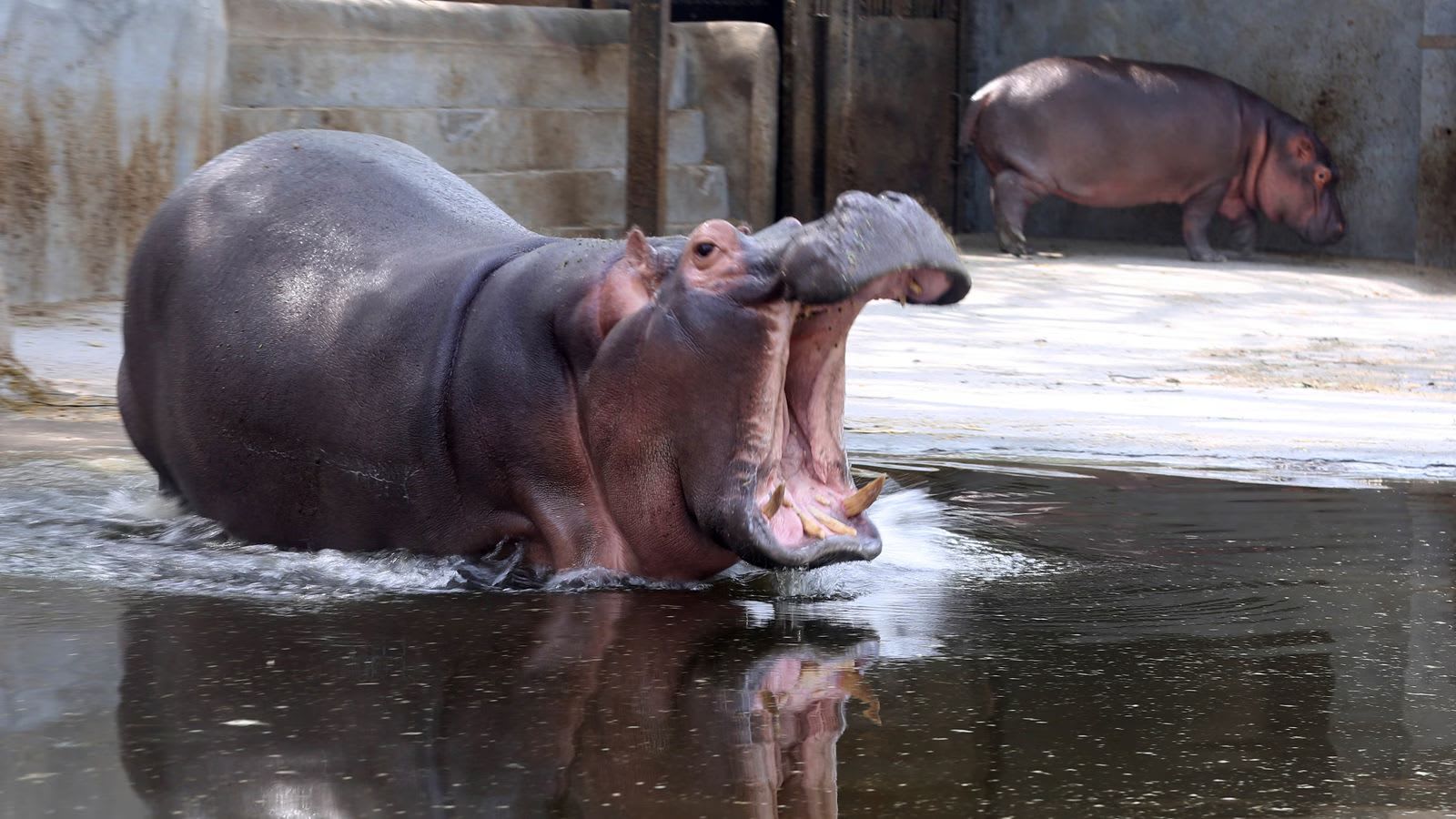
Neil the Seal, Punch-kun the macaque, and Fiona the hippo have become global internet icons. Their stories offer a unique lens through which humans reflect on their own fears, desires, and resilience.
The Rise of Animal Icons in the Digital Age
The phenomenon of animal celebrity has transcended mere curiosity, evolving into a global digital narrative that connects disparate species across continents. Figures such as Neil the Seal from Australia, Punch-kun the Japanese macaque, and Fiona the Nile hippopotamus from the Cincinnati Zoo represent more than just viral content; they serve as mirrors for human emotion. While these animals inhabit vastly different ecosystems—ranging from the urban streets of Hobart to the structured environment of the Ichikawa City Zoo—their collective impact on the internet underscores a growing human need for connection with the natural world.
The Anatomy of an Internet Sensation
Each of these animals embodies a distinct narrative archetype that resonates with global audiences. Neil the Seal, affectionately dubbed "Tasmania’s favourite vandal," captured the public imagination by blurring the lines between wilderness and human infrastructure. His tendency to nap near fences and interact with inanimate objects like traffic cones provided a sense of whimsical disruption that resonated with viewers tired of rigid societal norms. Similarly, Fiona the hippo has become a symbol of survival and resilience, her journey from a premature birth to a zoo favorite acting as a proxy for the human struggle against adversity.
Psychological Projections and Collective Meaning
Why do these specific animals attract such intense fascination? The answer lies in the human tendency to project our own internal states onto non-human subjects. When we observe Punch-kun’s life in a Japanese zoo or track Neil’s movements through Hobart, we are not just observing animal behavior; we are interpreting their existence through a human lens. These creatures become vessels for our anxieties about environmental change and our hopes for peaceful coexistence between humanity and the wild.
The Intersection of Geography and Viral Fame
Despite the geographical distance separating Australia, Japan, and the United States, the internet acts as a great equalizer. A 1,000-kg elephant seal in Tasmania is just as accessible to a viewer in New York or Tokyo as a primate in Ichikawa City. This digital accessibility allows these animals to transcend their local contexts, transforming from regional curiosities into global symbols. The sheer scale of their "prints" on the internet indicates that our collective consciousness is increasingly shaped by these shared digital experiences.
Resilience as a Universal Theme
At the heart of the narratives surrounding Fiona, Neil, and Punch-kun is the theme of resilience. Whether it is a wild animal navigating human-dominated spaces or a creature overcoming physical challenges, their stories provide a template for human endurance. By following their journeys, audiences find a sense of comfort and inspiration, reinforcing the idea that vulnerability and strength are not mutually exclusive.
Concluding Reflections
Ultimately, the stories of these three animals reveal much about the human condition. They highlight our enduring fascination with the wild and our deep-seated need for narratives that transcend the mundane. As we continue to navigate a complex and often overwhelming digital landscape, these animal icons provide a necessary touchstone—a way to ground our own stories in the broader, more resilient tapestry of life on Earth.