Two children among six dead after plane crash off Mississippi coast
Source Entity
BBC News
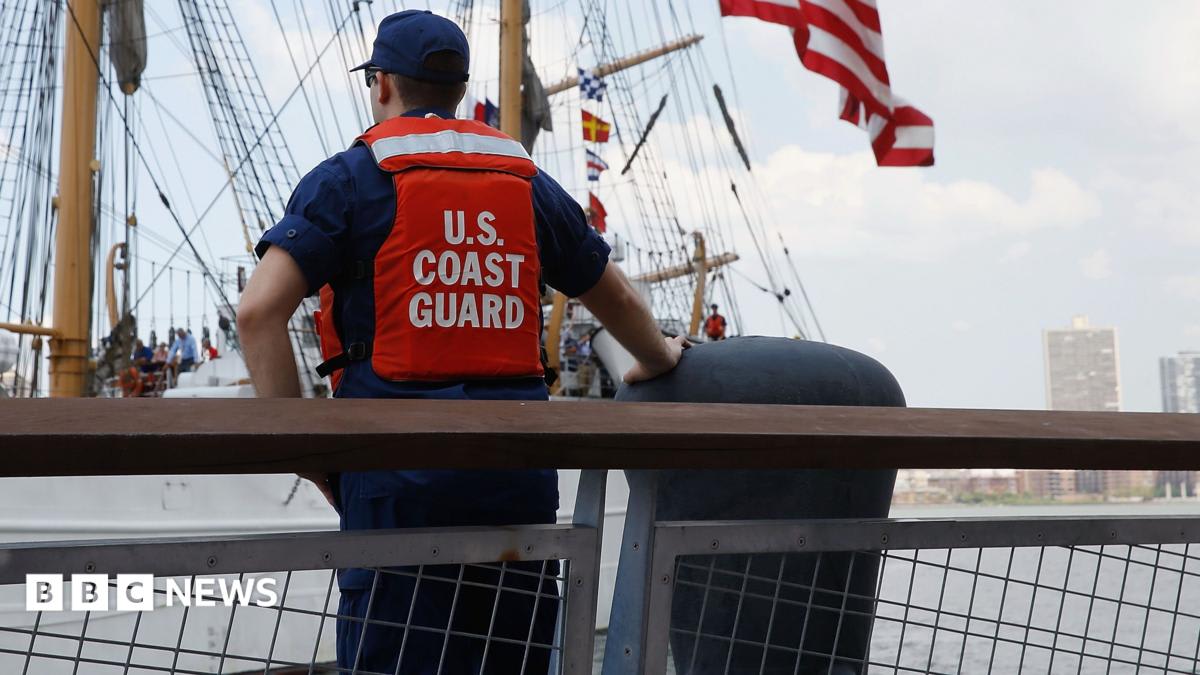
A Cessna 210 crashed off the Mississippi coast while flying from New Orleans to Florida, resulting in the tragic deaths of all six occupants. Divers recovered the bodies of four adults and two children from the submerged fuselage following an extensive search operation.
Tragedy Strikes in the Gulf: The Mississippi Cessna Crash
A somber air accident occurred this past Tuesday when a Cessna 210 aircraft, en route from New Orleans, Louisiana, to Fort Myers, Florida, crashed into the waters of the Gulf of Mexico. The incident, which took place near Horn Island, Mississippi, has claimed the lives of all six individuals on board, including two young boys aged 8 and 10. The loss of life in such a sudden maritime aviation disaster serves as a stark reminder of the inherent risks associated with small-aircraft transit over open water.
The Sequence of Events and Rescue Efforts
The emergency unfolded rapidly after air traffic control lost communication with the aircraft at approximately 15:45 (21:45 GMT). Following notification from the Federal Aviation Administration (FAA), the US Coast Guard initiated a massive search and rescue operation in the waters northeast of Horn Island. Initial findings by rescue crews—which included a life raft, three life jackets, and fragments of the aircraft's cabin—offered little hope for a successful rescue, as no passengers were initially located in the immediate aftermath of the crash.
Recovery and Investigation
The operation transitioned from a search and rescue mission to a recovery effort as divers were deployed to investigate the submerged wreckage. The Coast Guard confirmed that the bodies of the four adults and two children were eventually located within the fuselage of the downed plane. The National Transportation Safety Board (NTSB) has been tasked with leading the investigation to determine the exact cause of the mechanical failure or environmental factors that led the Cessna 210 to deviate from its flight path and descend into the Gulf.
Aviation Safety and Environmental Challenges
Flying small, single-engine aircraft like the Cessna 210 over large bodies of water presents unique challenges. Unlike commercial airliners, these aircraft often lack the redundant systems and high-altitude capabilities that provide a safety buffer during engine failures. When a plane goes down in the Gulf of Mexico, the combination of water temperature, depth, and the rapid submersion of the fuselage makes survival extremely difficult, even when safety equipment like life rafts is present.
Broader Implications and Future Trends
This incident will likely prompt a rigorous review of flight safety protocols for private aviation in the Gulf region. As the NTSB begins its analysis of the flight data and the physical wreckage, the aviation community will be looking for patterns that might suggest recurring issues with the Cessna 210 model or specific weather-related hazards that may have contributed to this tragedy. The ultimate goal of such investigations is to implement new safety measures that can prevent similar losses in the future, ensuring that private pilots and their passengers are better prepared for the unexpected.
Conclusion
The loss of six lives, including two children, is a profound tragedy that has deeply affected the local community and the aviation industry. While the recovery phase has concluded, the focus now shifts to the meticulous work of the NTSB to provide answers to the families affected. This event serves as a somber reflection on the unpredictability of aviation and the critical importance of the search and rescue capabilities provided by the US Coast Guard in maritime emergencies.