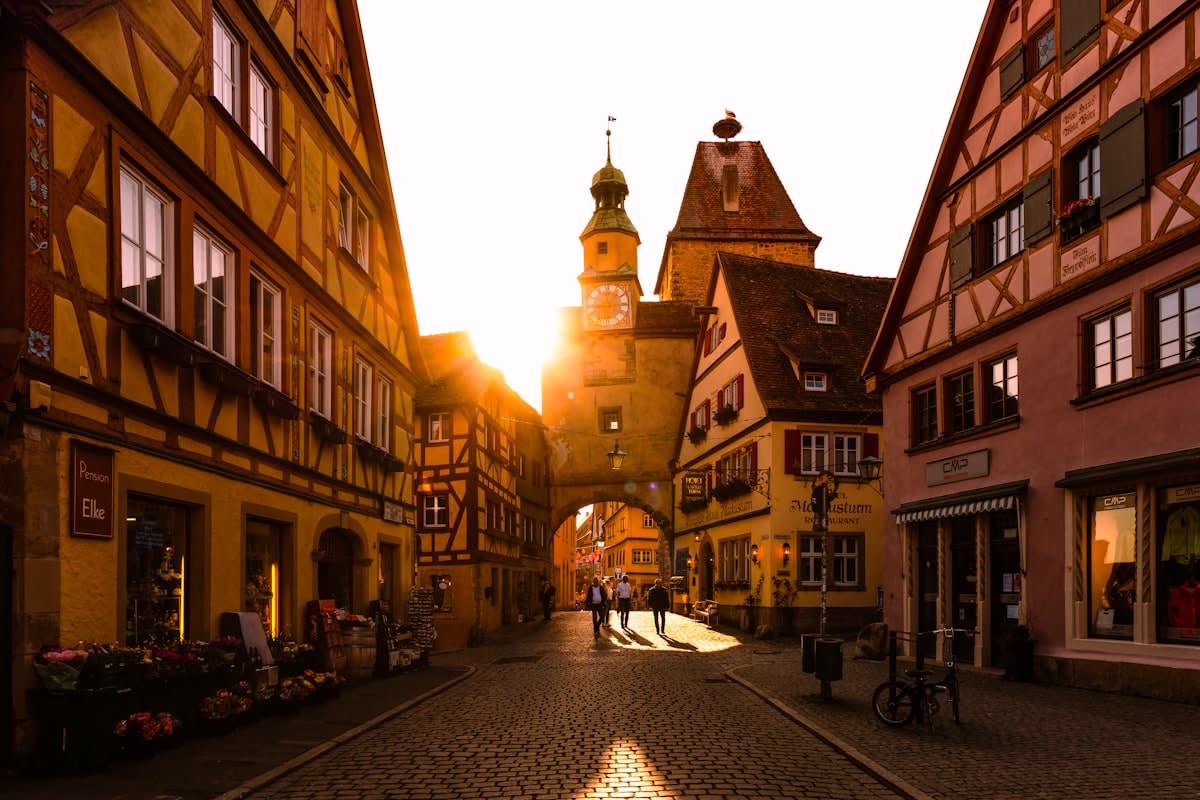
The Myth of the Metropolis
For decades, the professional narrative has been simple: move to the capital, secure the prestige, and endure the grind. We were told that the highest concentration of opportunity exists in the primary hub. But the math has changed. The 'Capital Trap' is now a reality where the cost of living outpaces wage growth, and the psychological tax of congestion and noise erodes the very quality of life we are working to fund. Why spend three hours a day in traffic in a city that charges you a premium for a shoebox apartment? The strategic alternative is the Secondary City—urban centers that offer 80% of the amenities of a capital with 50% of the stress.
Secondary cities—think Porto instead of Lisbon, Lyon instead of Paris, or Chiang Mai instead of Bangkok—operate on a different frequency. They possess the critical mass required for high-end healthcare, international schools, and diverse dining, yet they lack the suffocating density of a global primate city. According to data on urban cost-of-living indices, the price gap between a primary capital and a top-tier secondary city in the same region often ranges from 20% to 40% (Source: Numbeo, 2023). This isn't just about saving money; it is about purchasing time and mental bandwidth.
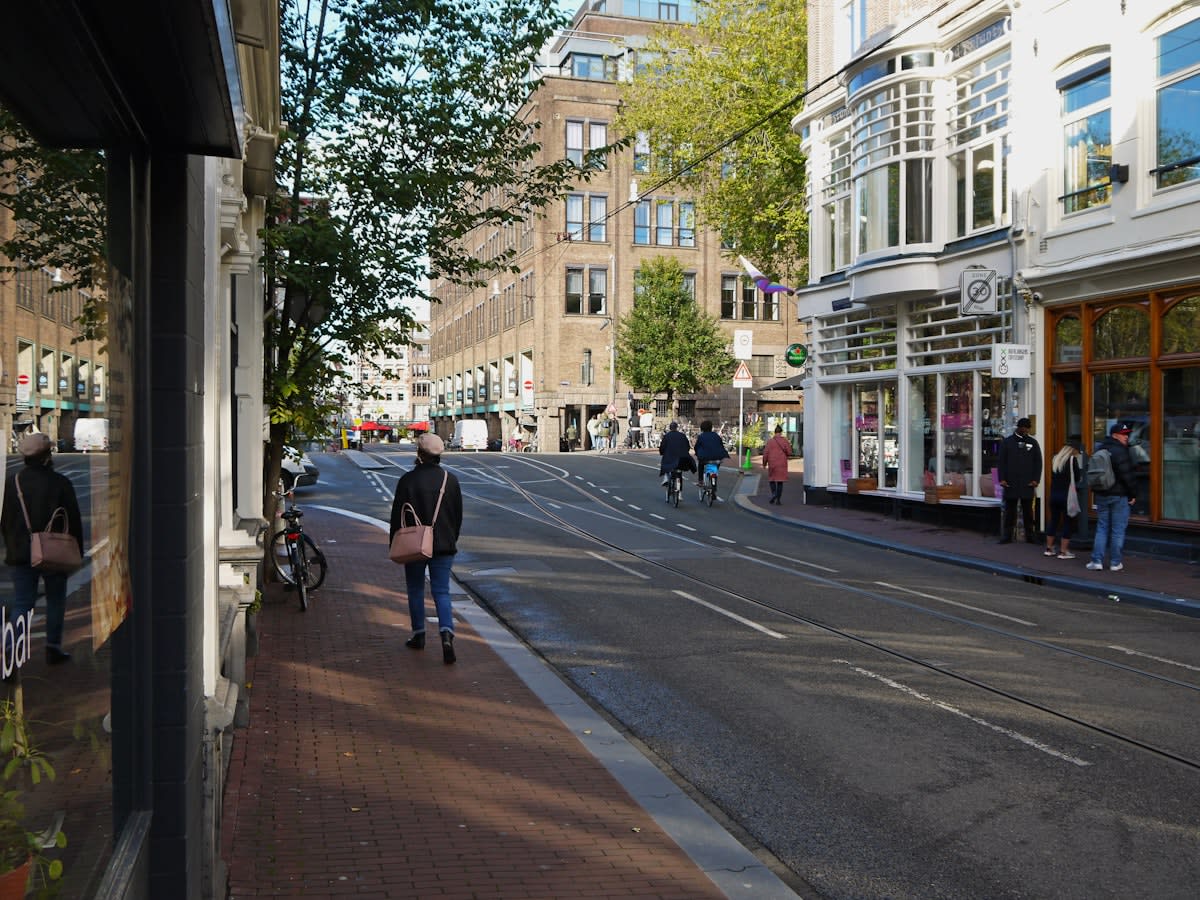
Prerequisites: Before You Pack Your Bags
You cannot simply stumble into a secondary city and expect a low-stress life. Without a framework, you risk trading one set of problems for another—like moving to a city with low rent but nonexistent high-speed internet or a healthcare system that can't handle your specific needs. Before you begin your search, you need three things: a decoupled income stream, a defined 'Quality of Life' (QoL) metric, and a realistic understanding of your own social adaptability.
- Income Decoupling: Your salary must not depend on a physical office in a specific capital city.
- The QoL Metric: A weighted list of non-negotiables (e.g., walkability, air quality, proximity to nature, fiber-optic internet).
- The Buffer Fund: At least six months of local living expenses to avoid 'panic-returning' if the initial transition is rocky.
I have seen too many people move to 'cheap' cities only to realize they hate the humidity, the slow pace of bureaucracy, or the lack of an English-speaking medical community. The goal is not to find the cheapest place on a map; the goal is to maximize the ratio of utility to cost. If you are spending $2,000 a month in a secondary city but are miserable because you can't find a decent gym or a reliable coworking space, you haven't optimized your life—you've just relocated your stress.
The Step-by-Step Selection Framework
- Phase 1: The Macro Filter. Select three regions globally that align with your climate and cultural preferences. Use the OECD Better Life Index to compare regional health, education, and environmental quality (Source: OECD, 2023).
- Phase 2: The Tier 2 Identification. In those regions, identify cities with populations between 500,000 and 2 million. This range typically provides the 'sweet spot' of infrastructure without the extreme congestion of mega-cities.
- Phase 3: The Logistics Audit. Verify the 'Digital Backbone.' Check speed-test maps for average fiber-optic penetration and investigate the presence of international hospitals. A city is only 'low-stress' if you aren't worried about your internet dropping during a board meeting.
- Phase 4: The 'Beta Test' Residency. Spend 30 to 60 days in the city. Avoid hotels; rent an apartment in a residential neighborhood. Shop at local markets, use public transit during rush hour, and attempt to solve a basic bureaucratic problem (like getting a local SIM card).
- Phase 5: The Integration Map. Research the local legal requirements for residency and tax obligations. Use a local consultant rather than a global agency to understand the actual 'on-the-ground' friction of the visa process.
The most critical part of this process is the Beta Test. I remember moving to a stunning coastal city in South America based on a few blog posts and a low cost-of-living index. On paper, it was a paradise. In reality, the city's power grid was unstable, and the 'walkable' center was a furnace for four months of the year. I had ignored the seasonal data and the infrastructure reality. I spent three months fighting with a generator before realizing that a 'cheap' city becomes incredibly expensive when you have to pay for private infrastructure to replace failing public services.
"The trend is shifting from 'urbanization' to 'strategic localization.' People are no longer looking for the center of the world, but for the center of their own well-being, prioritizing accessibility over prestige."— Dr. Elena Rossi, Urban Planning Consultant at the Global Cities Initiative
This shift is reflected in the rise of 'Zoom Towns' and the revitalization of mid-sized hubs. When you remove the need for a physical presence in the capital, the geographic value of a city shifts from its proximity to power to its proximity to peace. This is the essence of geographic arbitrage: earning in a high-value currency or market while spending in a high-utility, lower-cost environment.
| Metric | Primary Capital | Strategic Secondary City |
|---|---|---|
| Avg. Commute Time | 45-90 Minutes | 15-30 Minutes |
| Rent-to-Income Ratio | 35-50% | 20-30% |
| Air Quality (AQI) | Often Poor/Moderate | Generally Better |
| Access to Nature | Peripheral/Expensive | Integrated/Accessible |
From a practitioner's perspective, the real debate in the expat and remote-work community isn't about where to go, but how to stay. There is a significant friction point regarding 'social integration.' In a capital city, you are an anonymous cog in a giant machine; it is easy to blend in. In a secondary city, you are more visible. The 'foreigner' or 'outsider' label sticks more readily. The real challenge is moving from being a temporary resident to a community member. Those who fail usually treat the city as a cheap backdrop for their life rather than a place to actually live.

Common Pitfalls to Avoid
The biggest mistake is the 'Tourist Trap' fallacy. Many people choose a secondary city because it is a popular vacation destination. A city that is wonderful for a ten-day holiday is often a nightmare for a ten-year residency. If the economy is based entirely on tourism, you will find that local services are overpriced, the infrastructure is seasonal, and the authentic community has been pushed out to the fringes. Look for cities with a diversified local economy—universities, regional hospitals, or manufacturing hubs—to ensure long-term stability.
Another trap is the 'Cost-of-Living Obsession.' If your primary driver is the lowest possible price, you will end up in a place that lacks the basic amenities required for a high-functioning professional life. Low rent is a benefit, but it is not a strategy. Focus instead on 'Purchasing Power Parity' (PPP). A city where you pay 30% more than the cheapest option but get 100% better healthcare and internet is the actual strategic win.
Fact-Check & Accuracy Note
Key claims regarding cost-of-living gaps are based on 2023 data from Numbeo's Cost of Living Index. Regional quality-of-life comparisons utilize the 2023 OECD Better Life Index. Note that specific visa requirements and tax laws vary wildly by jurisdiction and should be verified with a licensed legal professional in the target country.
Editorial Note
Editorial Note: This guide is based on the practitioner's experience with geographic arbitrage. It does not constitute financial or legal advice. The goal is the optimization of lifestyle through strategic location choice.