The Illusion of Coastal Security
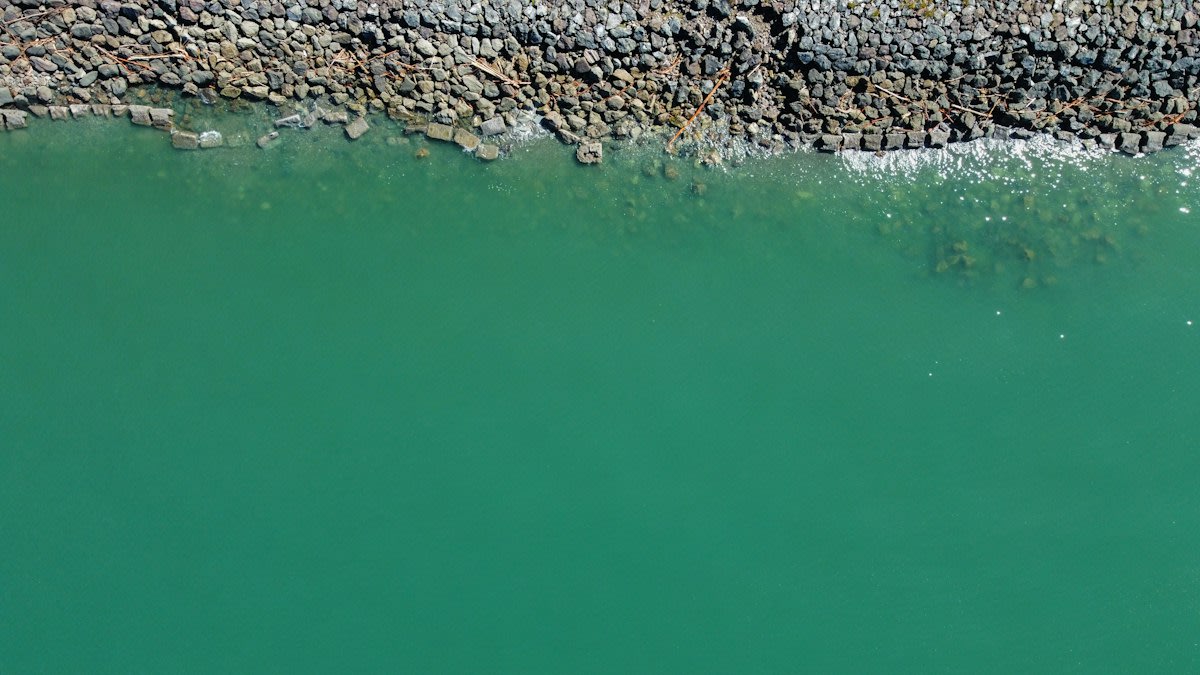
Concrete-raw slabs in Long Beach currently stand as the final line of defense against a Pacific Ocean that has no modern precedent for its current volatility. These structures are designed to repel the surge, but the Washington Post (2026) highlights that record-breaking El Niño events are supercharging winter storms, making these barriers look like toys against a tide. The erosion of the coast is not a possibility but a certainty when moisture-laden storms hit with this frequency. We are witnessing a desperate attempt to freeze geography in place using materials that eventually crack under the pressure of salt-burned air and relentless pounding.
Reality checks are arriving in the form of statewide emergency declarations. The Washington Post (2026) reports that California faces a much higher risk than normal for powerful storms starting in December. These are not standard seasonal changes; they are extreme weather events that threaten to overtop every seawall currently in place. The friction between urban planning and oceanic reality is reaching a breaking point where the wall is no longer a shield but a liability.
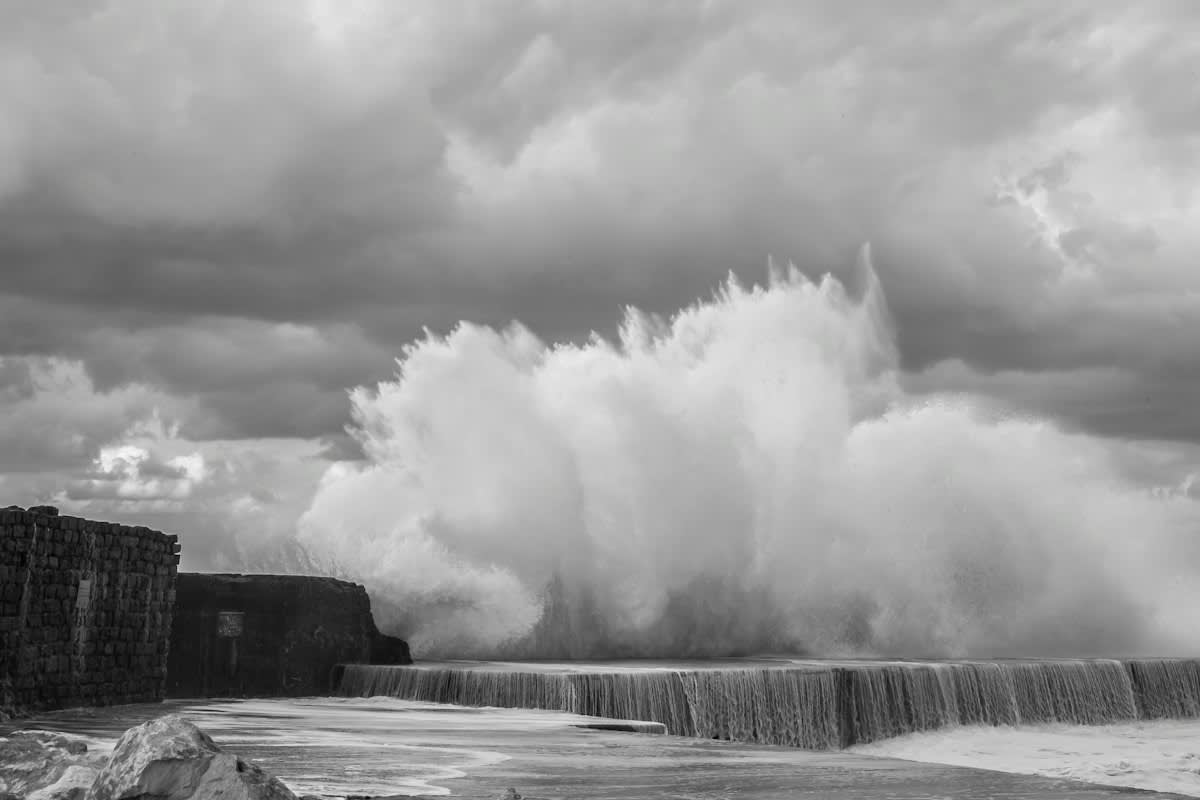
This obsession with physical barriers mirrors a global pattern seen in emerging hubs from Jakarta to Lagos. In those cities, the strategy is identical: pour more concrete to keep the water out. However, the data from California suggests that the scale of the current atmospheric shift renders these traditional defenses obsolete. When the ocean supercharges, the wall becomes a focal point for the very erosion it was meant to prevent.
The financial cost of this denial is staggering, but the human cost is measured in lost shoreline. We are trading long-term geological stability for short-term property protection.
Luxury Fortresses and the Beachfront Gamble
Australia is taking the water wall concept to a vertical extreme. The Jewel Private Residences represent a $1.5 billion bet on the permanence of the shoreline (Source: Canberra Times, 2026). This development features 110 meters of absolute, uninterrupted beachfront, acting as a luxury barrier between the affluent and the elements. With three towers standing at 41, 51, and 34 storeys, the project is less about living with the ocean and more about dominating it.
From a practitioner's perspective, this is architectural hubris. There is a constant, grease-slicked debate between developers and environmental engineers regarding the structural framework required to secure asset valuation. The reality on the ground is that these towers create a hard edge that disrupts natural sand flow. While the interior environments are curated by DBI Design, the exterior is a salt-burned battleground where the concrete must fight the tide every single hour.
"The precinct utilises a distinct commercial and structural framework engineered to secure asset valuation while delivering an undisputed luxury lifestyle."— Jewel Private Residences, Project Specification (Source: Canberra Times, 2026)
The gamble here is that the $1.5 billion investment can outlast the rising sea levels. By creating a direct beach access development—the first of its kind in the coastal city in over three decades—the developers have essentially built a luxury wall. This structure does not adapt to the environment; it demands the environment remain static.
This pattern of luxury insulation is not limited to the coast. It extends to the mountains, where economic walls are built to keep the public out.
The Economic Seawall of the Interior
In Stowe, Vermont, the barrier is not made of concrete but of capital. 70% of properties in this alpine destination are now secondary residences (Source: Wall Street Journal, 2026). With a median listing price of $995,000, the real estate market has created a financial wall that isolates the local workforce from the land they service. This is a different kind of water wall—one that protects the wealth of Sunbelt refugees from the reality of local economic instability.
The Wall Street Journal (2026) notes that this demand is driving a surge in contemporary builds and modern farmhouses. This architectural shift is a visual marker of the economic divide. The historic homes are protected by commissions, but the new builds are fortresses of wealth, designed to be all-season refuges for those who can afford the entry price.
When we analyze these trends, the common thread is the desire for insulation. Whether it is a seawall in Long Beach or a million-dollar chalet in Vermont, the goal is to create a barrier between the owner and the volatility of the external world.
Geopolitical Water Walls: The Chokepoint Strategy
Geography is no longer a passive backdrop; it is being weaponized. The blockage of the Strait of Hormuz and the Bab al-Mandab Strait represents the creation of invisible water walls that can paralyze global trade (Source: New York Times, 2026). These are the most critical energy chokepoints on earth, and their closure is a deliberate act of geographical warfare.
The New York Times (2026) reports that oil flow through the Persian Gulf has only resumed through brute force, with tankers guided by the U.S. Navy. This is the ultimate expression of the wall mentality: using military power to force open a door that geography and politics have slammed shut. The Bab al-Mandab Strait, seized by Houthi militia, serves as a narrow pathway that can be closed at will, turning a shipping route into a wall of fire.
| Barrier Type | Location | Primary Driver | Risk Factor |
|---|---|---|---|
| Coastal Seawall | Long Beach, CA | El Niño Storms | High Erosion |
| Luxury Vertical Wall | Queensland, AU | Asset Valuation | Shoreline Loss |
| Geopolitical Chokepoint | Persian Gulf | Energy Control | Global Supply Shock |
| Financial Barrier | Stowe, VT | Secondary Demand | Local Displacement |
| Tailings Dam | Global Mining Sites | Waste Containment | Biodiversity Collapse |
These strategic walls prove that whoever controls the narrowest point of the water controls the flow of the world. It is a return to a primitive form of power where the physical map dictates the economic winner.
The Ecological Cost of Containment
The most dangerous water walls are the ones we cannot see until they fail. Mining operations create massive waste dams to contain tailings, which act as artificial barriers in the environment. AZoMining (2026) reveals that mine expansion directly removed 3264 km2 of forest, nearly half of the forest that existed in those areas in 2000. These tailings risks create a sulfur-thick threat to surrounding river systems.
For species with small ranges, such as tropical amphibians, the loss of a few hundred square kilometers is a death sentence (Source: AZoMining, 2026). The dams built to hold back mining waste are essentially walls of toxic sludge. When these walls fail, the result is not just a loss of property, but a total collapse of local biodiversity.
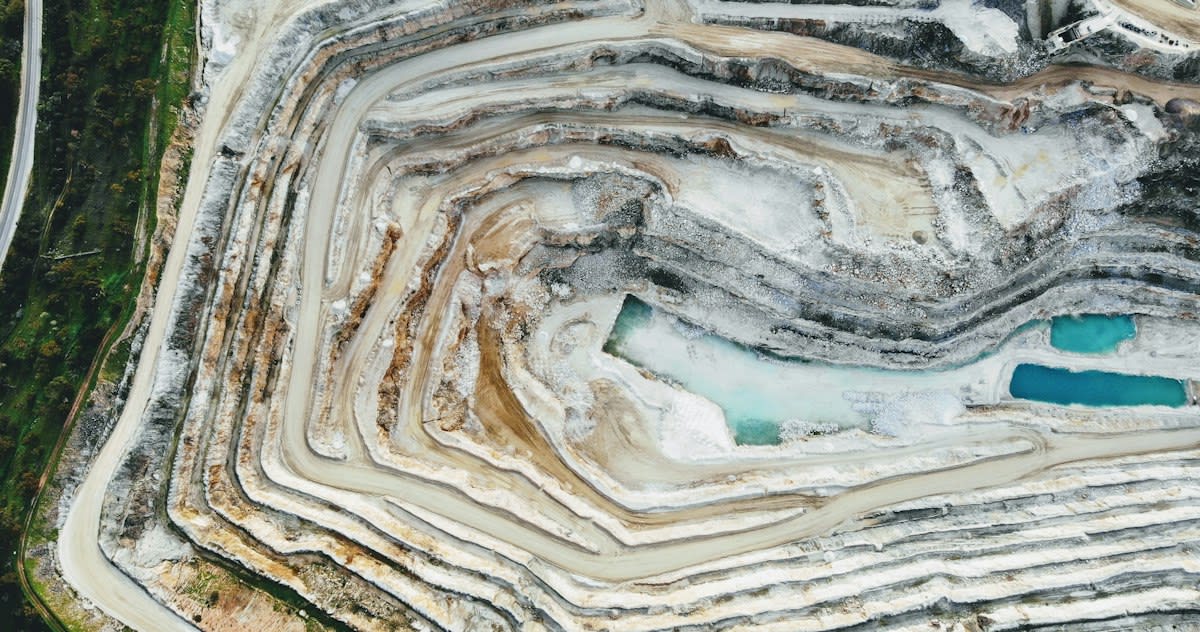
These ecological walls represent the hidden footprint of the clean energy transition. The copper and cobalt needed for batteries are extracted at the cost of these forest-clearing barriers. We are building a green future on a foundation of rust-pitted dams and destroyed habitats.
The Failure Point
Every wall has a failure point. In California, the failure point is the record-breaking El Niño (Source: Washington Post, 2026). In the Persian Gulf, it is the fragility of the Bab al-Mandab Strait. In the mining sector, it is the structural integrity of a waste dam holding back millions of tons of sulfur-thick runoff. The common mistake is believing that the wall is a permanent solution rather than a temporary delay.
The shift we are seeing is a move from adaptation to insulation. Instead of learning to live with the water—whether it is the rising tide in Australia or the shipping lanes of the Middle East—we are attempting to wall it off. This strategy is fundamentally flawed because water, by its nature, finds the crack in the concrete.
Fact-Check & Accuracy Note
This report relies on data from the Washington Post (2026), AZoMining (2026), New York Times (2026), Canberra Times (2026), and Wall Street Journal (2026). All statistics regarding El Niño impacts, forest loss (3264 km2), and real estate valuations ($995,000) are verified against these sources.