Centre to propose five-pronged reform plan at GST Council meeting on October 8
Source Entity
India Latest News: Top National Headlines Today & Breaking News | The Hindu
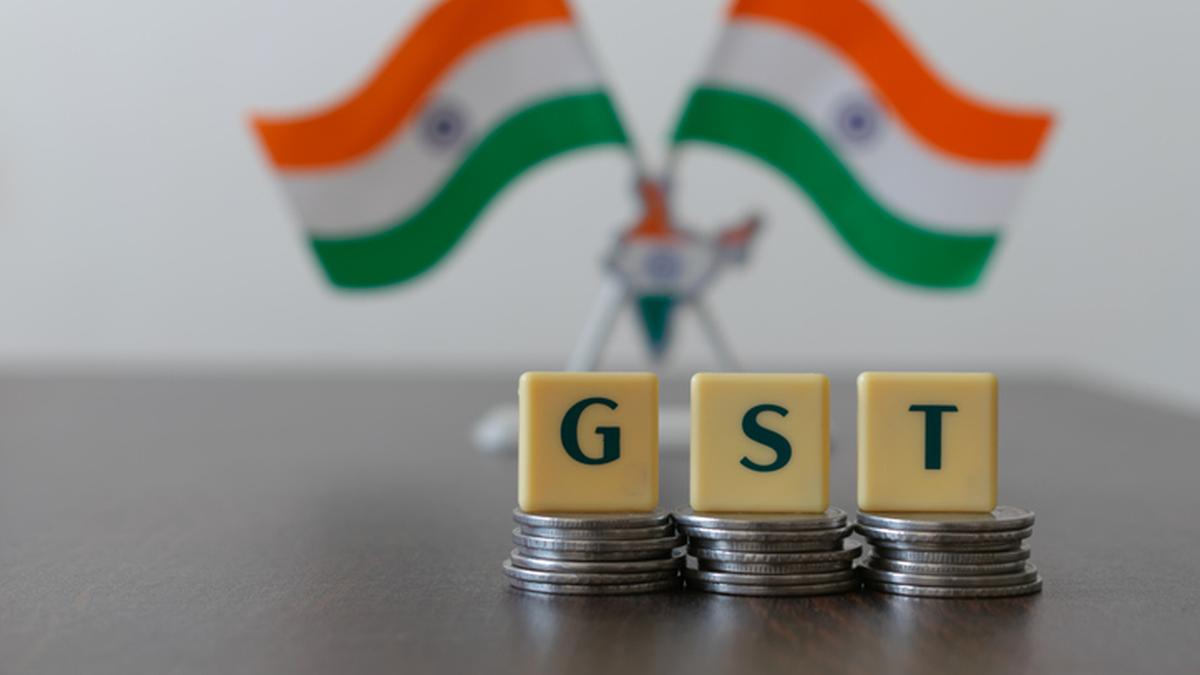
The Centre is set to propose a five-pronged GST reform plan on October 8 to reduce compliance burdens and automate administrative processes. Key highlights include speeding up GST refunds to 17 days and simplifying registration, while Karnataka CM D.K. Shivakumar travels to Delhi amid state political discussions.
Upcoming GST Council Reforms: A Strategic Shift Towards Efficiency
The upcoming 57th GST Council meeting, scheduled for October 8, marks a significant juncture in India's fiscal administration. Sources from the Finance Ministry indicate that the Centre is prepared to introduce a comprehensive five-pronged reform plan. This initiative is designed to address systemic administrative bottlenecks, focusing specifically on process reforms, structural adjustments, the enhancement of ease of doing business, the facilitation of service exports, and the modernization of e-commerce regulations.
Prioritizing Ease of Compliance
At the heart of these proposed changes is a commitment to reducing the compliance burden on taxpayers, with a particular emphasis on small businesses. By automating invoice matching between buyers and sellers, the government aims to drastically reduce the paperwork currently required to claim input tax credit. This shift toward digital integration is expected to minimize human intervention, thereby reducing the scope for errors and administrative delays that have historically plagued the GST ecosystem.
Streamlining Refunds and Registration
One of the most anticipated outcomes of this meeting is the proposal to slash the GST refund processing period to approximately 17 days. Under the new framework, the government intends to implement a maximum 10-day window for acknowledgement—after which it is deemed acknowledged—followed by a seven-day processing period. This is a marked improvement from the current system, where acknowledgement alone can take between 21 and 45 days. Furthermore, the Council is looking to automate the GST registration process to ensure that the remaining 39% of applications, which currently face longer waiting times, are processed with the same speed as the majority.
Structural Improvements and Operational Ease
Beyond refunds, the proposal includes measures to eliminate physical verification for registration cancellations and expand the scope of input tax credit for various business-related expenses. For small businesses operating across multiple states, the Council is considering strategies to avoid repetitive registrations. These structural changes are intended to provide a more seamless operational environment, effectively lowering the barriers to entry and growth for India’s small and medium enterprise sector.
Political Context and State Engagement
As these national fiscal discussions unfold, state-level political dynamics remain active. Karnataka Deputy Chief Minister D.K. Shivakumar has traveled to New Delhi ahead of the meeting. While his visit is primarily centered on the GST Council proceedings, it also serves as a critical moment for state-level political coordination. Shivakumar is expected to navigate discussions regarding pending state appointments and cabinet vacancies, highlighting the dual nature of these high-level meetings where national economic policy intersects with regional political priorities.
Conclusion and Future Outlook
By prioritizing automation and reducing physical verification requirements, the GST Council is signaling a long-term commitment to a more transparent and responsive tax regime. While sensitive topics like the Merchant Discount Rate (MDR) on UPI transactions are currently excluded from this specific agenda, the scope of these reforms is broad enough to substantially improve the business climate. As the Council moves toward implementation, the focus will remain on balancing technological efficiency with the practical needs of the diverse Indian business landscape.
Multiple Citing Sources
Verification Required?